The Working Hands Project
uses film and photography to offer a close-up look at trades work, centering on the stories of women and nonbinary tradespeople.
When I began work as a residential service electrician in 2018, I felt that being a woman in the trades was rare, even novel. And yet, the longer I worked, the more I began to meet other tradeswomen.
Over time, fourteen women joined the company (not all concurrently), and almost half of the apprentices I trained were women. I began attending a meeting of local women and nonbinary tradespeople, which, within a couple of years, went from a gathering of eight to a listserve of over a hundred, including carpenters, woodworkers, contractors, masons, welders, auto-mechanics, jewelers, electricians, and blacksmiths.
I was struck by
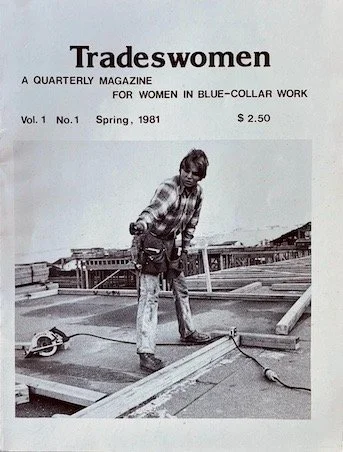
how many of us there were. Where had I gotten the sense that I was rare? And why had I imagined myself to be on the front lines of a vanguard? At the electrical supply house, I sometimes ran into Carol Dixon, who had been running Carol’s Electric for over thirty years. I came across Tradeswomen Magazine, published from 1981-1998 by blue collar women for blue collar women, filled with personal accounts, essays, letters, and photos.
Statistically, of course, we are rare. In the US, about 4% of tradespeople are women. But percentages belie numbers and therefore stories; 4% equates to over 81,000 tradeswomen, each with their own stories.
Women’s skilled labor is not a modern phenomenon,
as Elizabeth Wayland Barber notes in Women’s Work: The First 20,000 Years (1994).
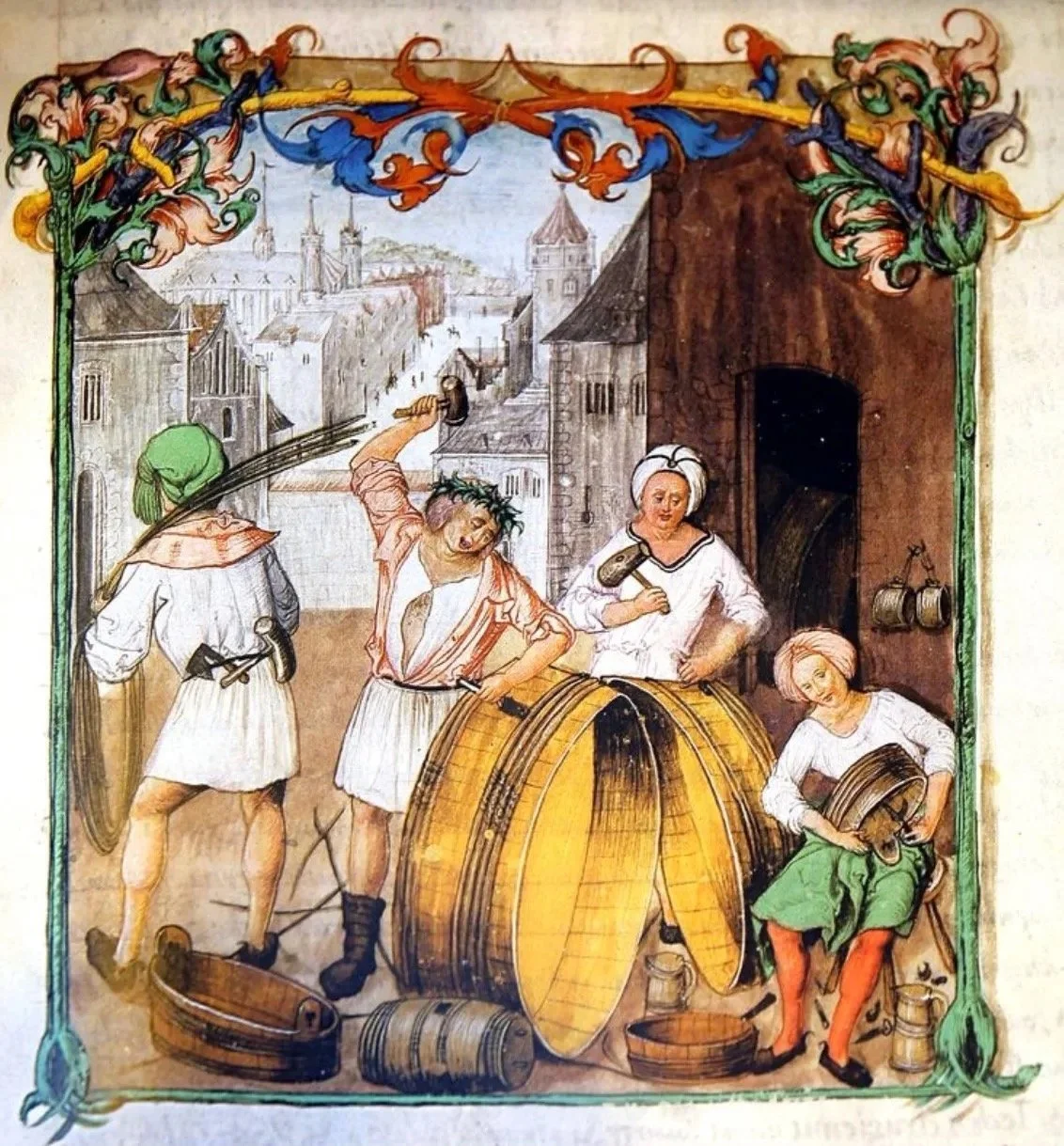
Records from the
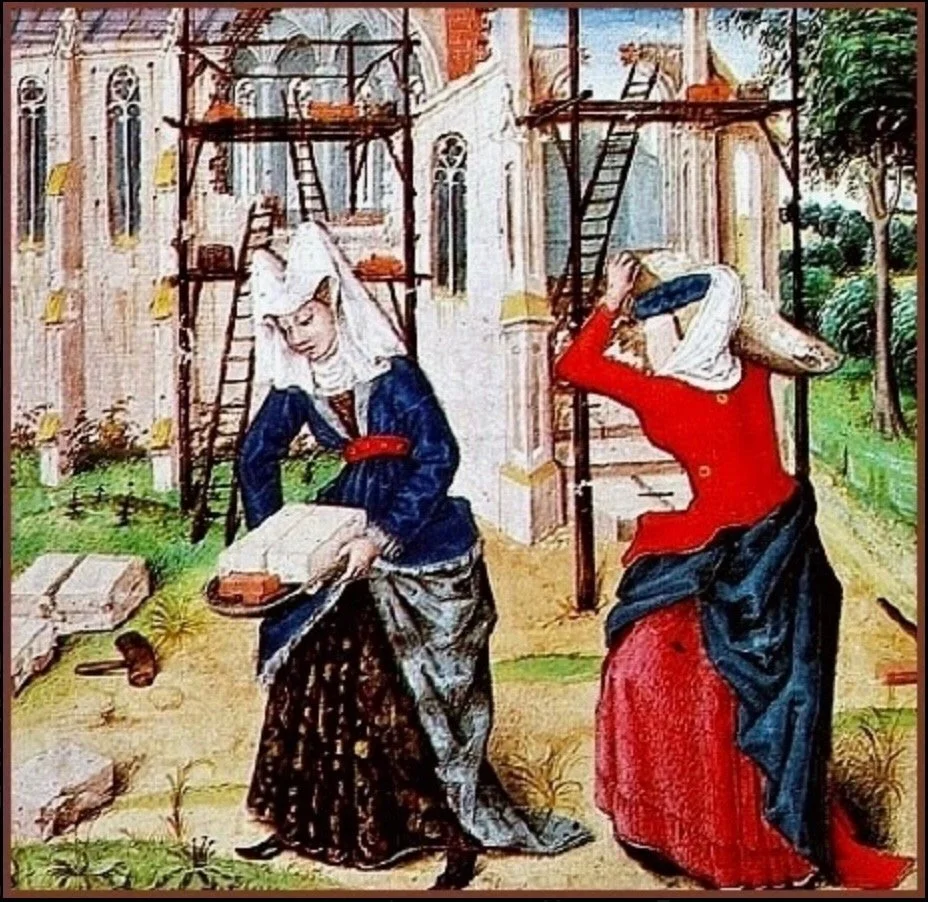
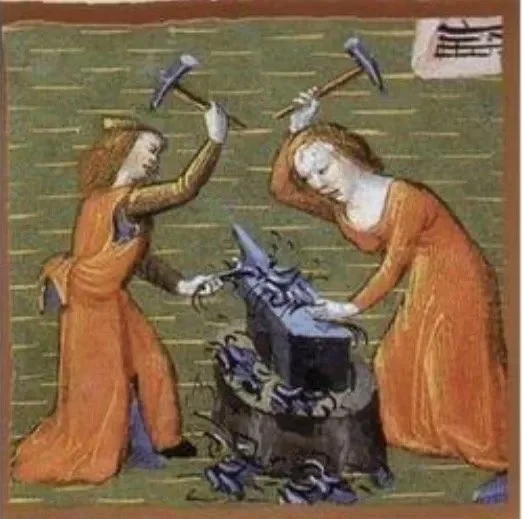
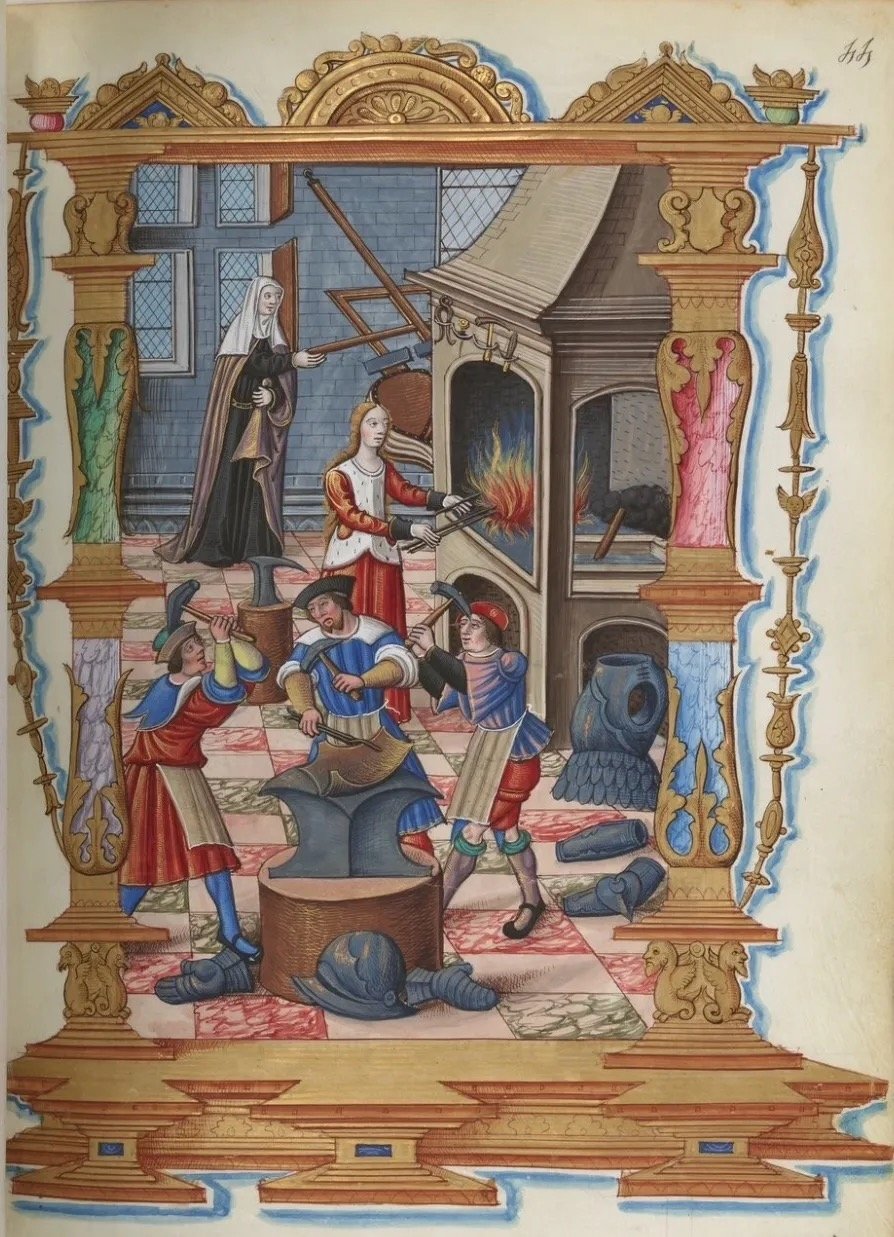
Middle Ages show women working as blacksmiths, barrel-makers, masons, carpenters, etc
Yet, during the transition
to capitalism, women were systematically expelled from the trades. Silvia Federici, in Caliban and the Witch (2004), describes how the 15th-century campaigns to exclude female workers from workshops were fueled by narratives portraying tradeswomen as "witches" and "shrews" (96; 100-103).
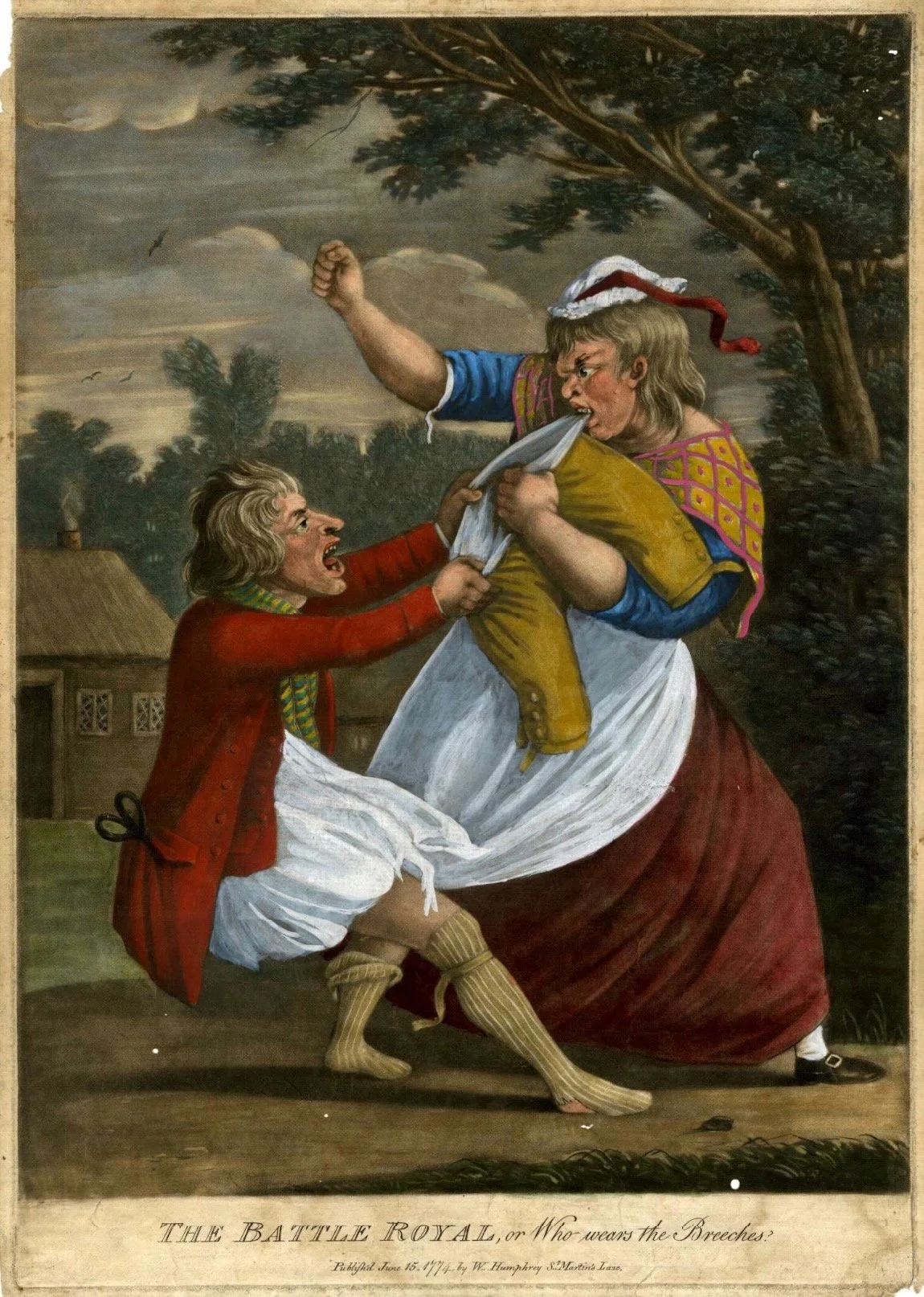
And yet, by the 1800s,
a new narrative of femininity emerged, portraying women as so refined and gentle that they could not work in jobs as heavy, dangerous, and dirty as the trades (Federici:103).
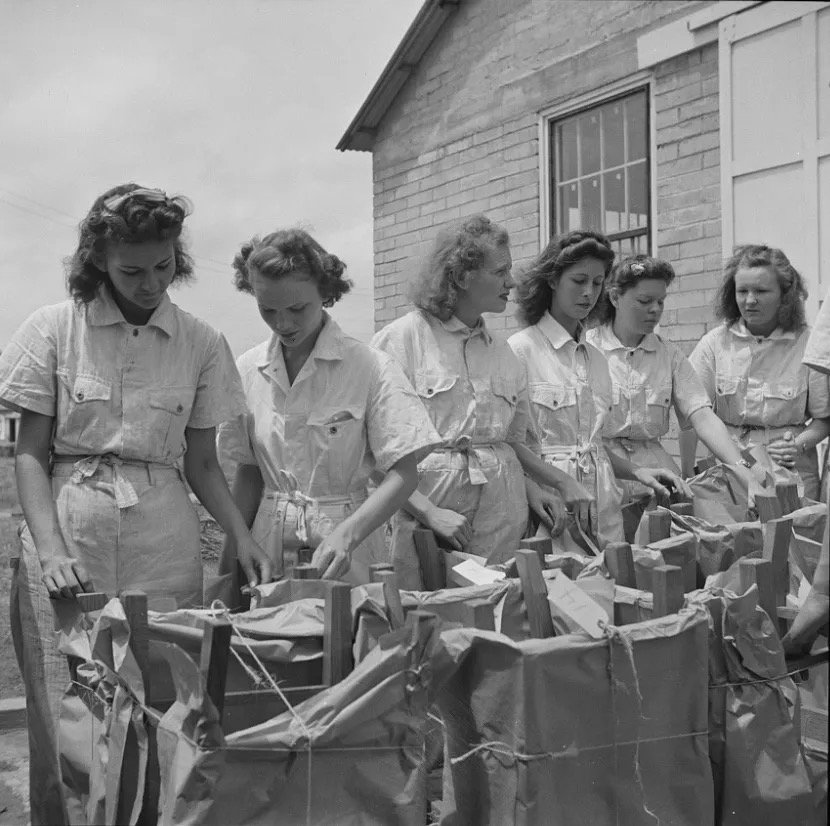
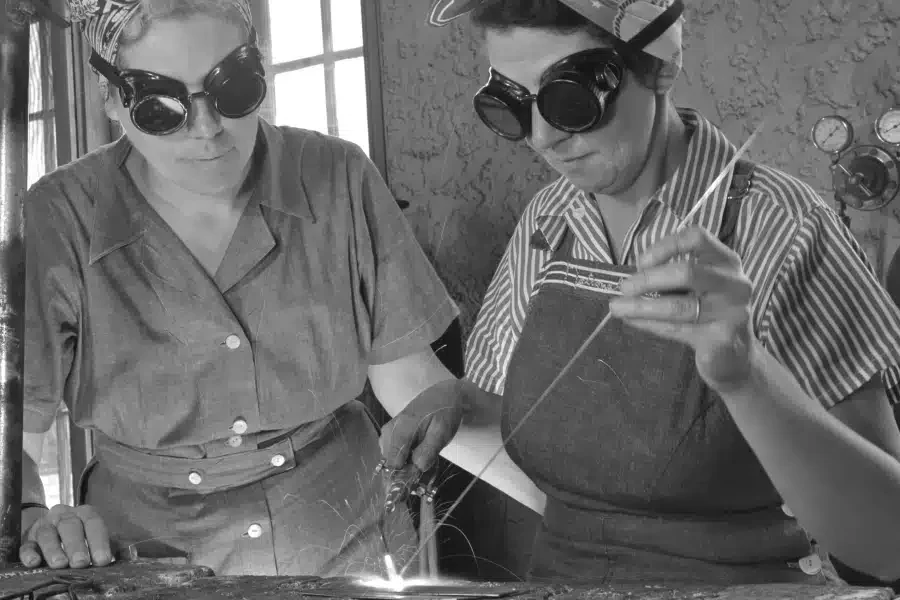
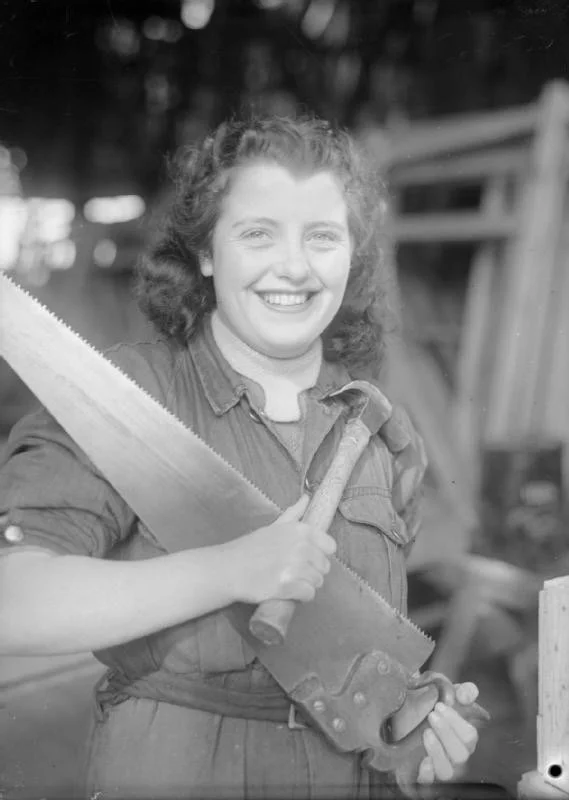
During the World Wars, women were compelled back into the trades. During WWI, the number of women in the British building trades rose from 7,000 to over 31,000 (Ellison, April 24), and during WWII, the number of women in the construction industry in the United States rose to ten percent.
The narrative trope of surprise features heavily in accounts from these periods; a 1917 entry in the Building News and Engineering Journal noted that the high level of skill exhibited by women bricklayers, carpenters, and woodworking machine operators was “a development which few would have predicted” (Ellison, April 24).
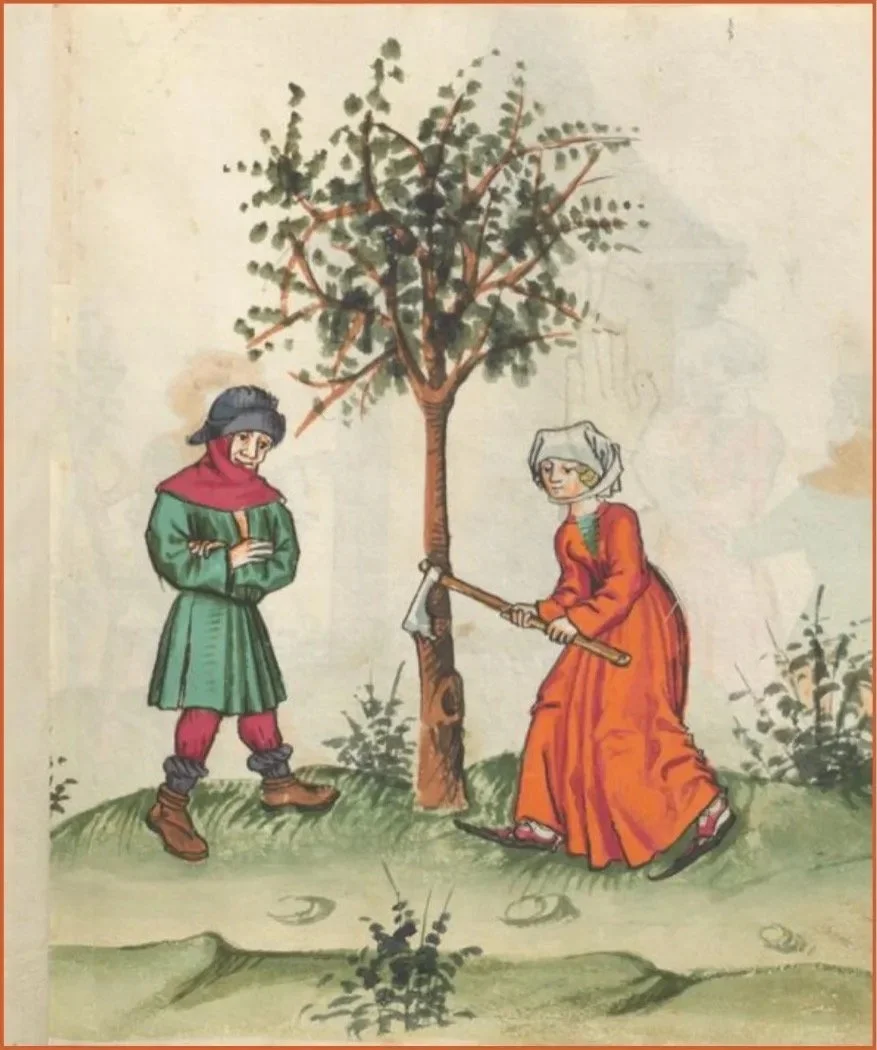
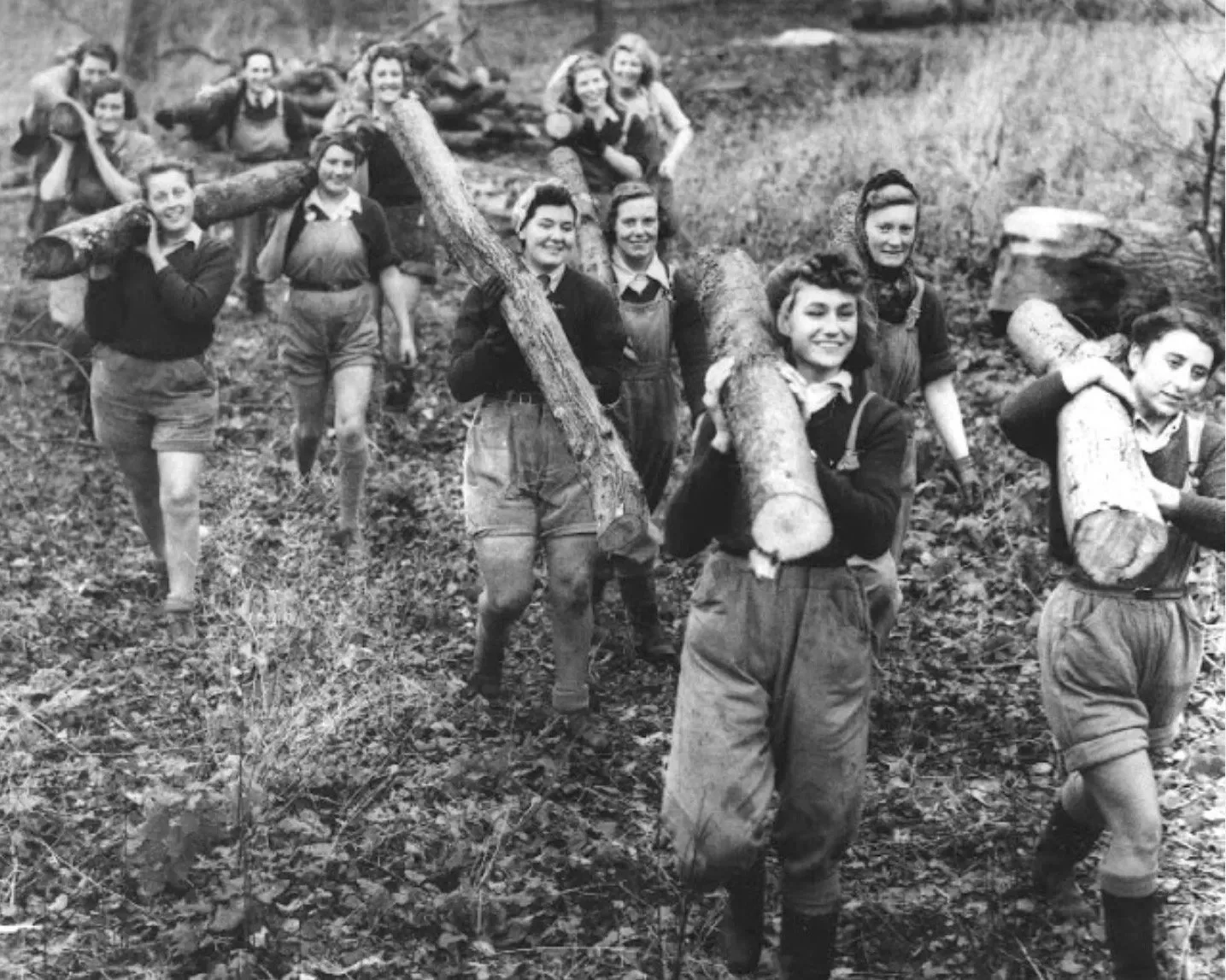
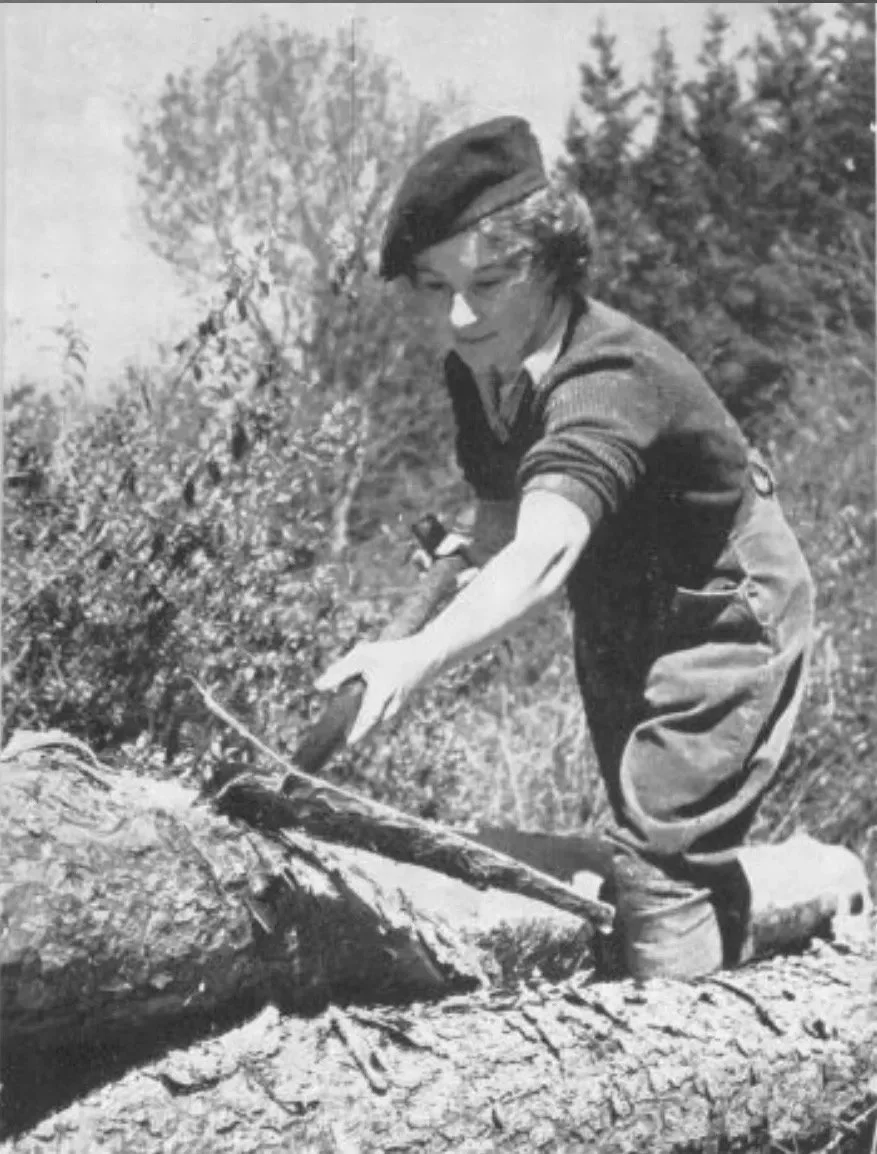
During World War II, Lumberjills served in the Women’s Timber Corps in England, felling trees with axes, hand-sawing them into lengths, and operating sawmills. Yet when the Corps was disbanded in 1946, its members were excluded from official government benefits and victory commemorations—an erasure that set the stage for subsequent narratives of novelty and surprise when women would once again “enter” the trades (Tyrer 2007).
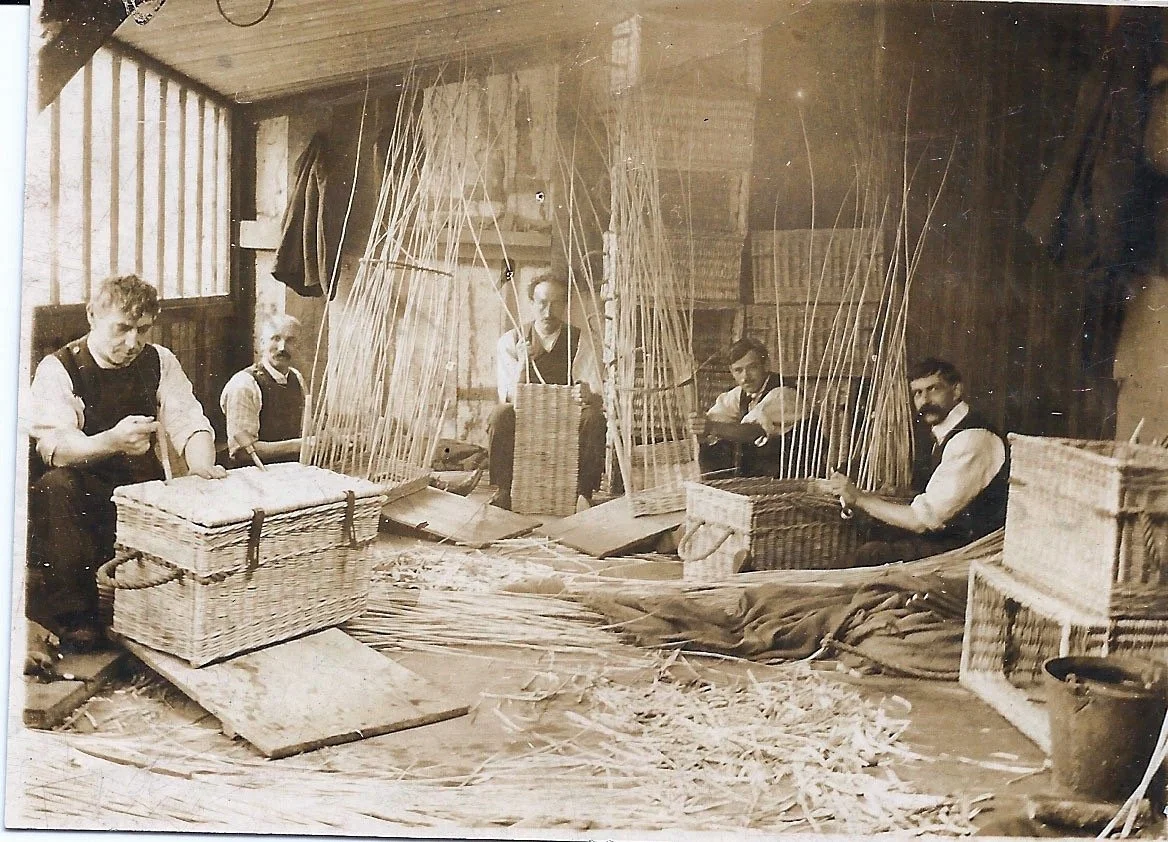
Meanwhile, a parallel but inverse narrative was taking shape as the rise of factory production caused many hand-based trades to lose commercial relevance, initiating a transition from male to female dominance. Willow basketry in the UK, for example, was an exclusively male trade until the middle of the 20th century, at which point, believing the trade to be endangered, existing basketmakers began to accept female apprentices.
While this may seem like a feminist win, as basketmaking transitioned from male to female dominance, it was, in the process, trivialized, feminized, and rebranded as craft. Basketry famously has been one of the crafts most subject to trivialization through the spread of the derisive phrase “underwater basketweaving,” coined in the mid-twentieth century as a shorthand for useless skills. In this way, grand narratives do more than just gatekeep who can enter a trade; they gender the trades based on who is performing them, altering the way skillsets are understood and valued.
Today, as trades re-open to women, tradeswomen are portrayed once again as tough trailblazers, crossing into the uncharted territory of male work and male skills. News articles about women in the trades highlight the ways we defy the odds.
This portrayal, while true in some regards and flattering in others, ignores the long lineage of women’s skilled work and reinforces the myth that tradeswomen must cross a threshold into a world of difficult and unfamiliar skills in order to succeed in trades jobs.
This not only fails to capture tradeswomen’s experiences developing their skillsets but has the effect of deterring other women and nonbinary workers from entering such professions, giving the impression that trades work is only accessible to exceptional individuals brave enough to venture into a foreign domain.
In response,
I began to develop The Working Hands Project as a way to tell the stories of tradespeople in a different way.
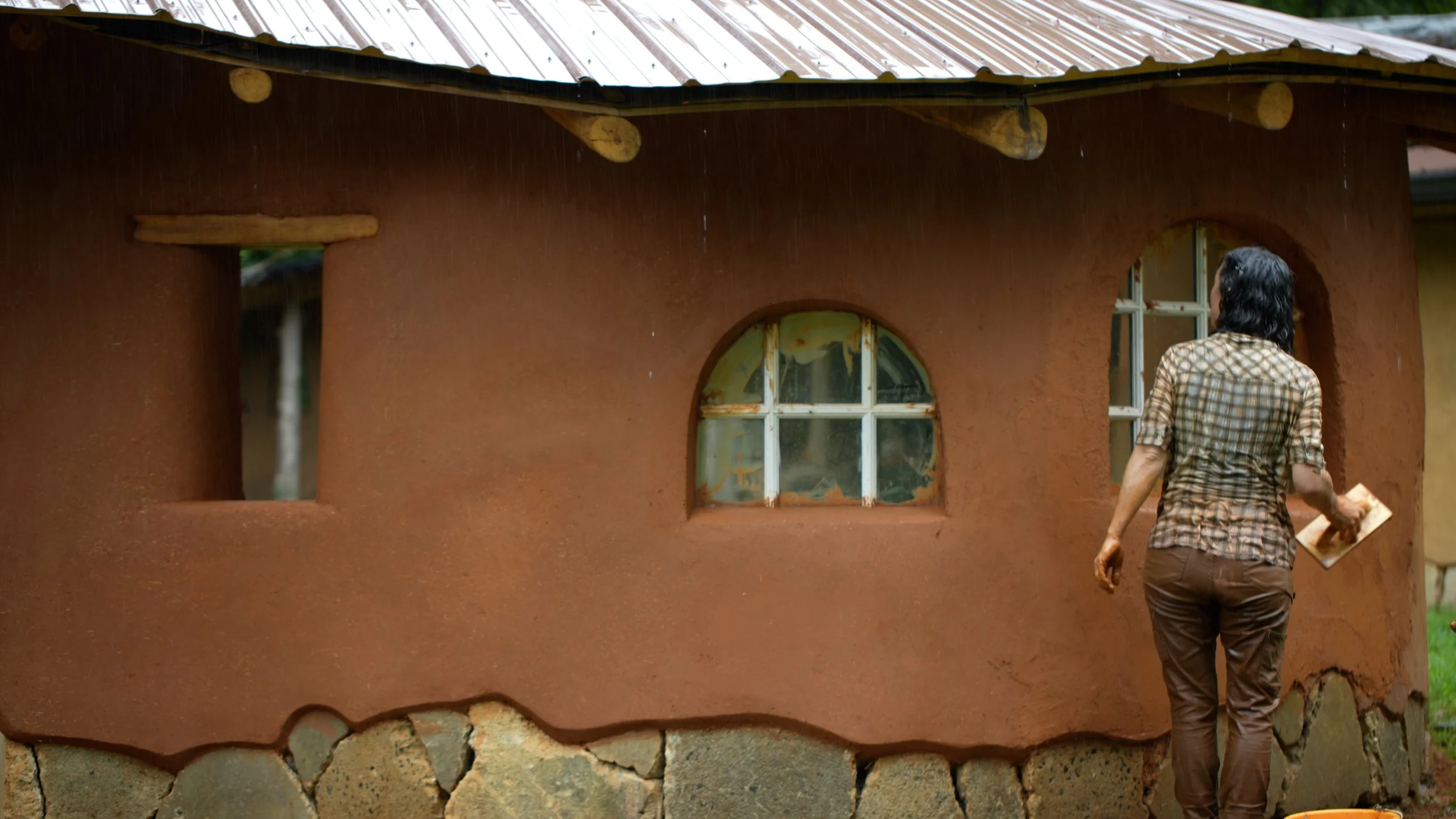
In the Fall of 2024 I spent time talking with, interviewing, and filming Nikki Puckett, an auto mechanic, who is in the process of opening a queer mechanic’s collective. In the Spring of 2025, I spent many months with Angela Eastman, a metalworker and basket weaver, as she cultivated and harvested basket willow, wove baskets, and taught women and nonbinary students how to forge bottle openers, knives, and awls out of steel rods. In the Summer of 2025, I filmed Meredith Hart, a furniture maker, over several weeks as she built a plant stand. And that same summer, I visited Danielle Ackley at her home, where she and her partner Greg run The Mud Dauber School, a natural building school.
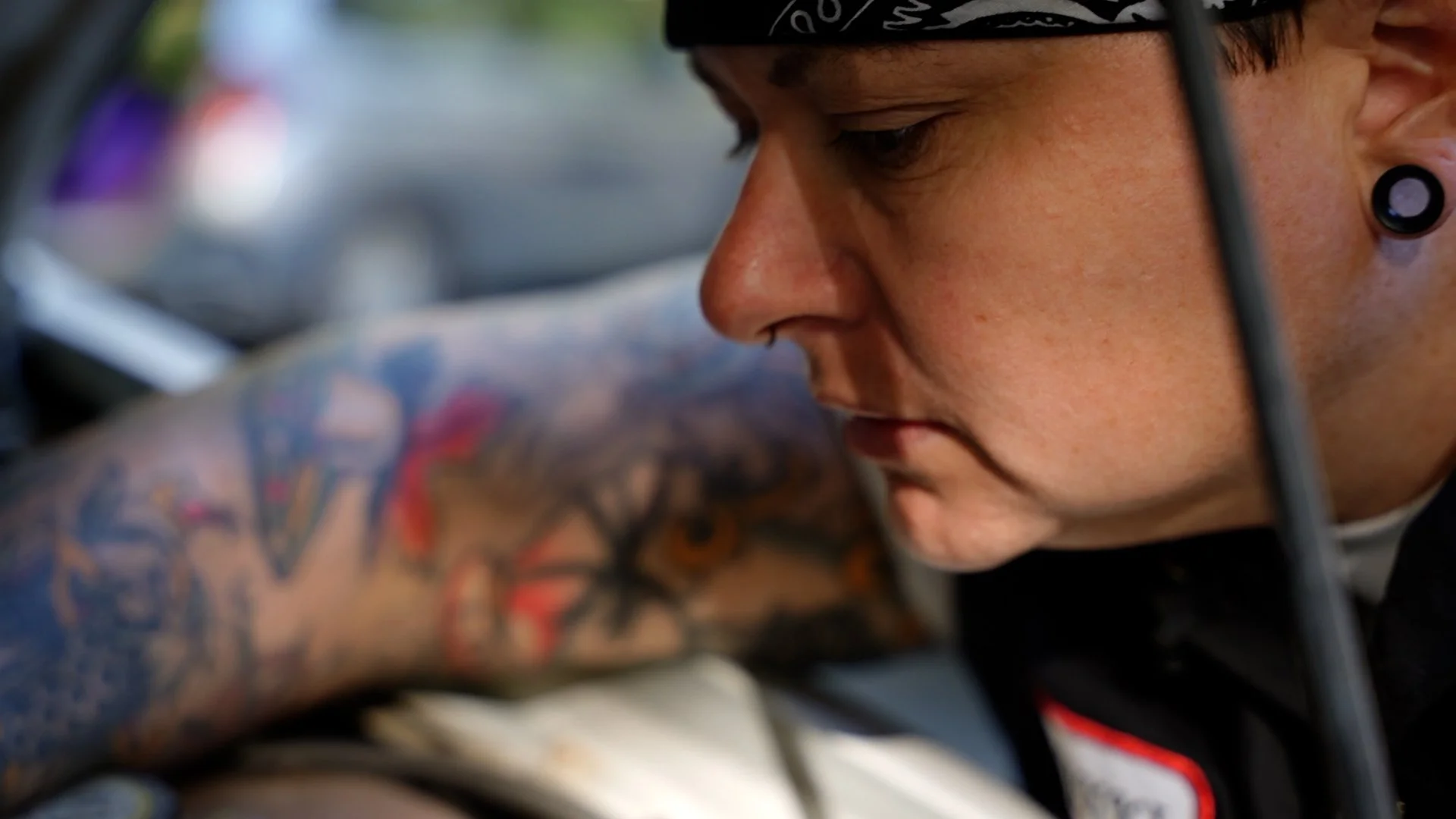
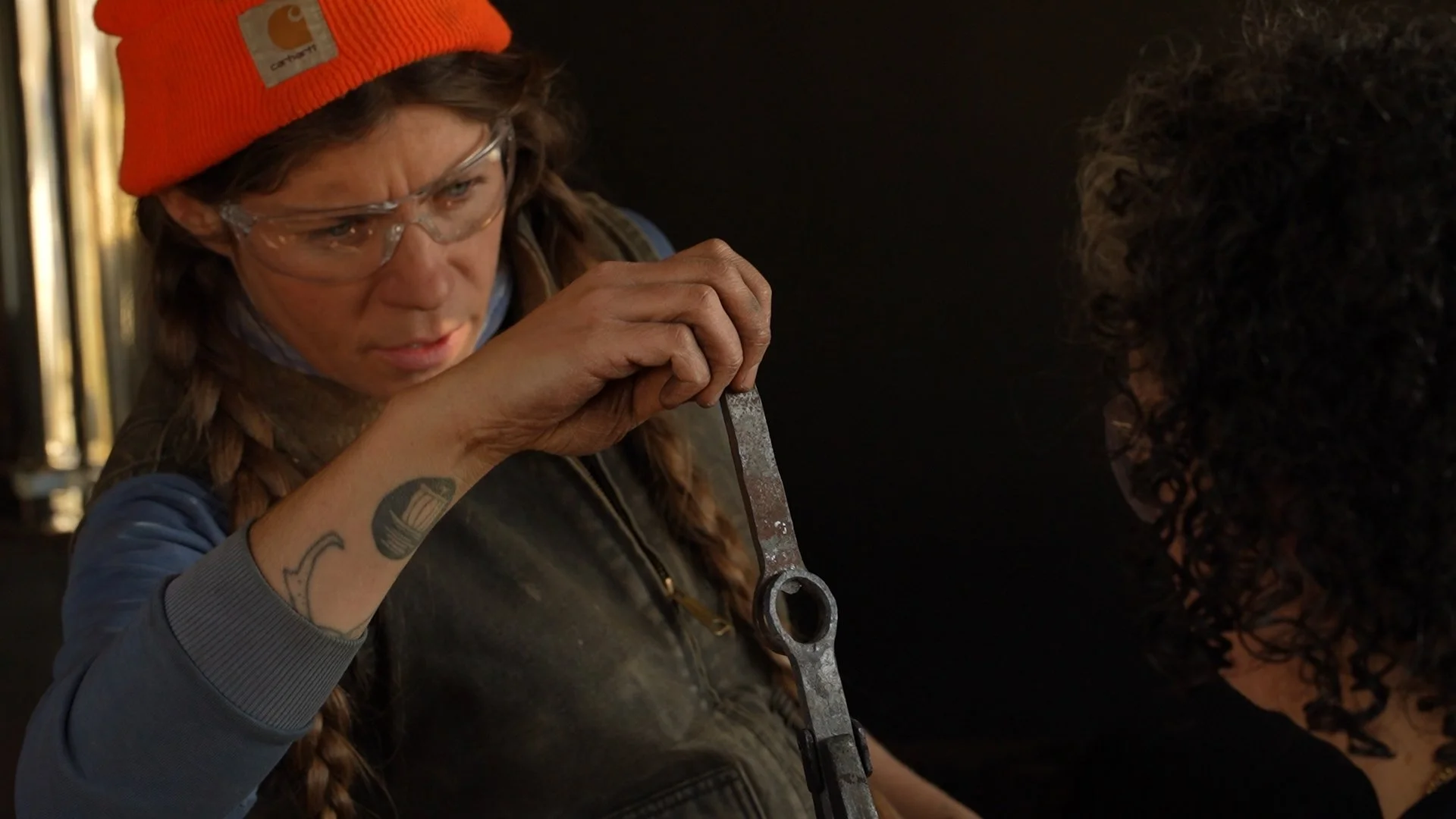
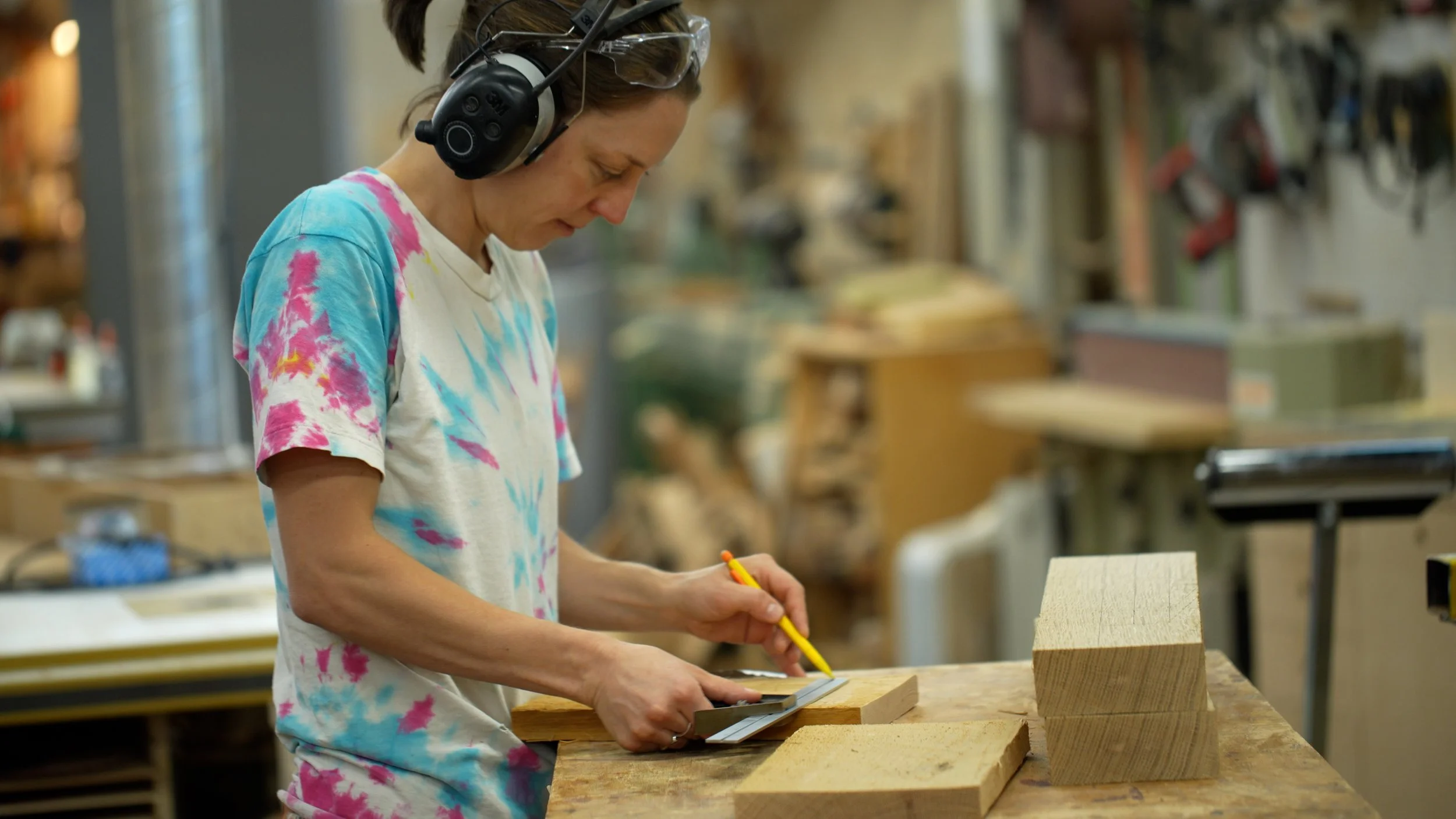
The Working Hands Project began as part of my Master’s thesis in the Folklore program at UNC Chapel Hill. Folklorists document the expressive culture of everyday people, and my project looks at the creativity of trades work.
As the project progressed, I began to move away from interview questions that centered on the social context of work—including interactions with coworkers and instances of discrimination—focusing instead on a close-up look at the relationship tradespeople have with their work.
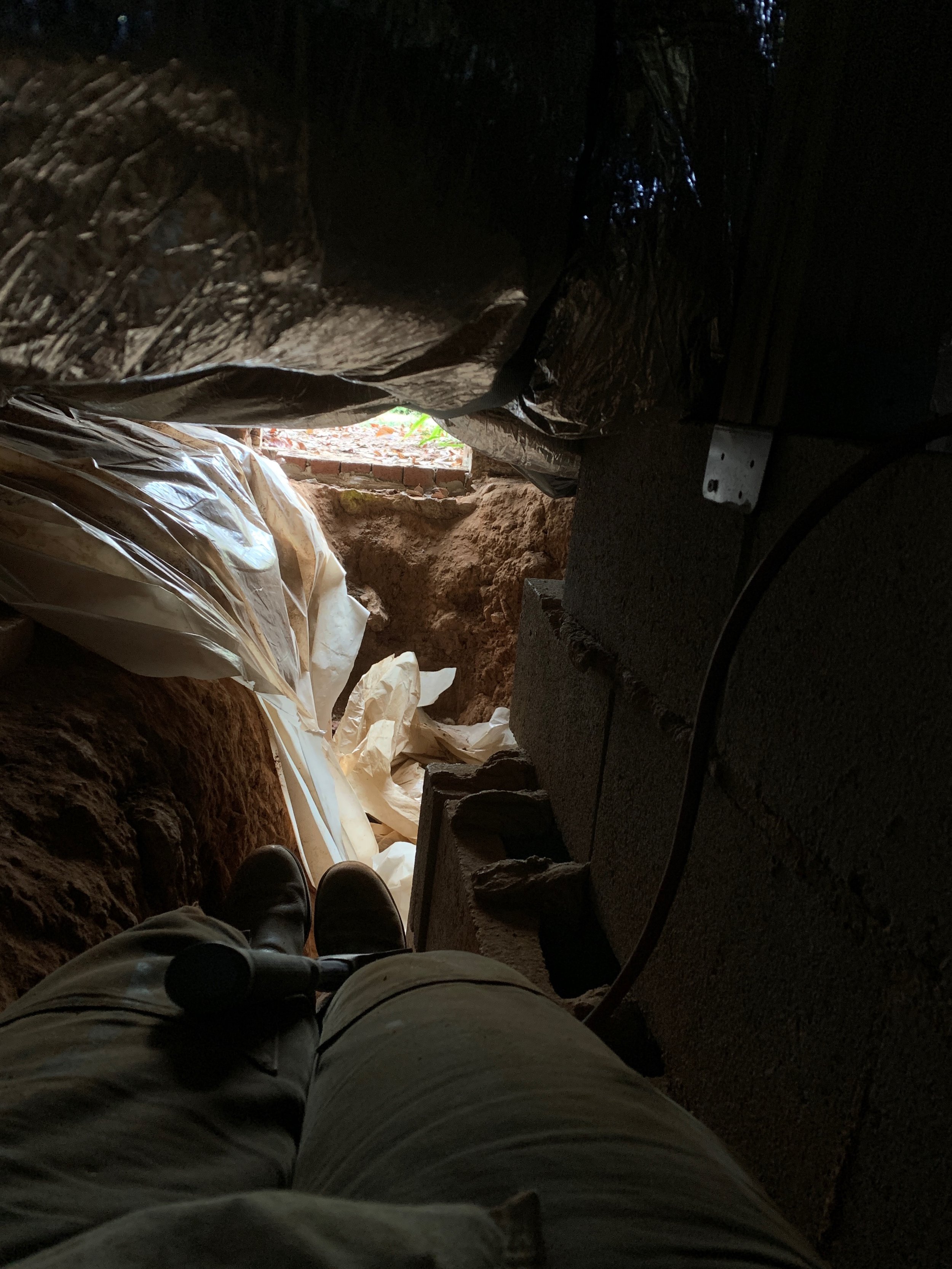
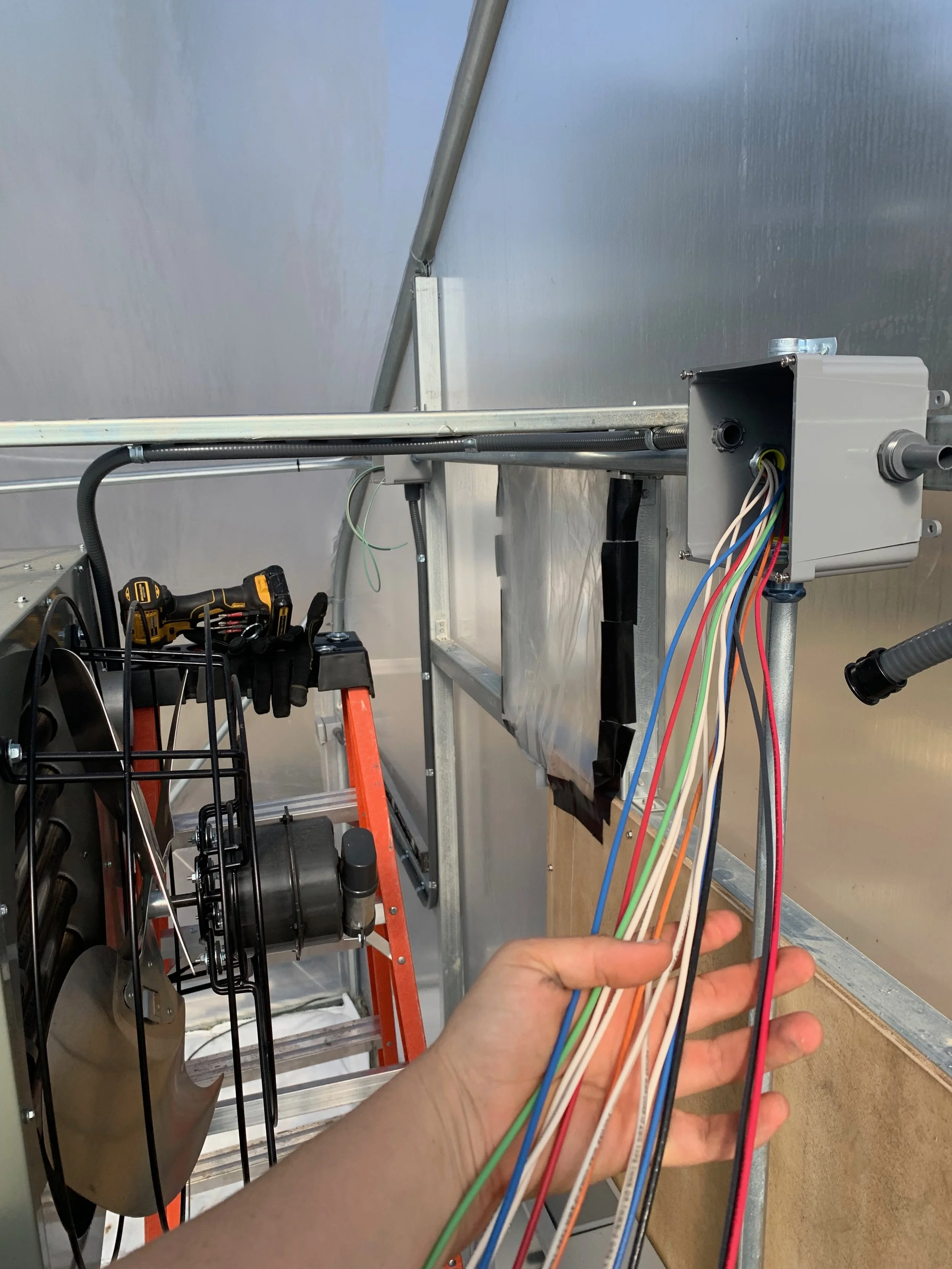
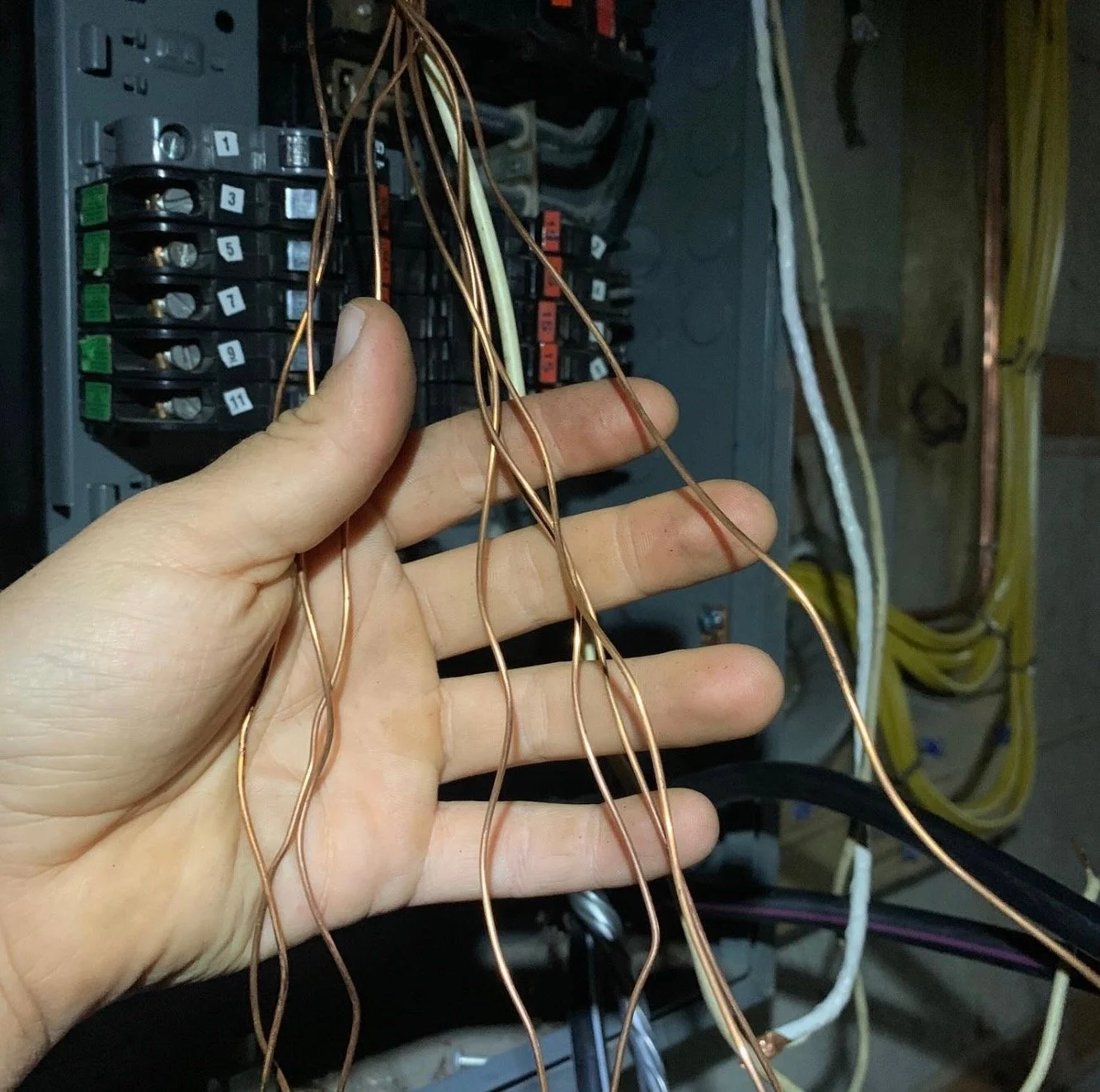
This shift was inspired in part by my own experience. When people ask me about my work, I typically tell stories that speak to the broader social context of my experience. But when I think to myself about my work, I often think about the quiet focused moments when the social context falls away and I am present with the wires and the pipe. I think about the feeling of lying on my back in a crawlspace when the sound of the outside world is muffled and the ground is cool, sorting and twisting wires.
And so I began to wonder what might be said if we dim the social context, remove the narrative arc, and allow women to recount their intimate experiences with the work itself. Would it be possible to counter grand narratives without addressing them directly?
In response, I began to develop the method of close narrative, adapting the photographic notion of depth of field to fit an ethnographic framework.
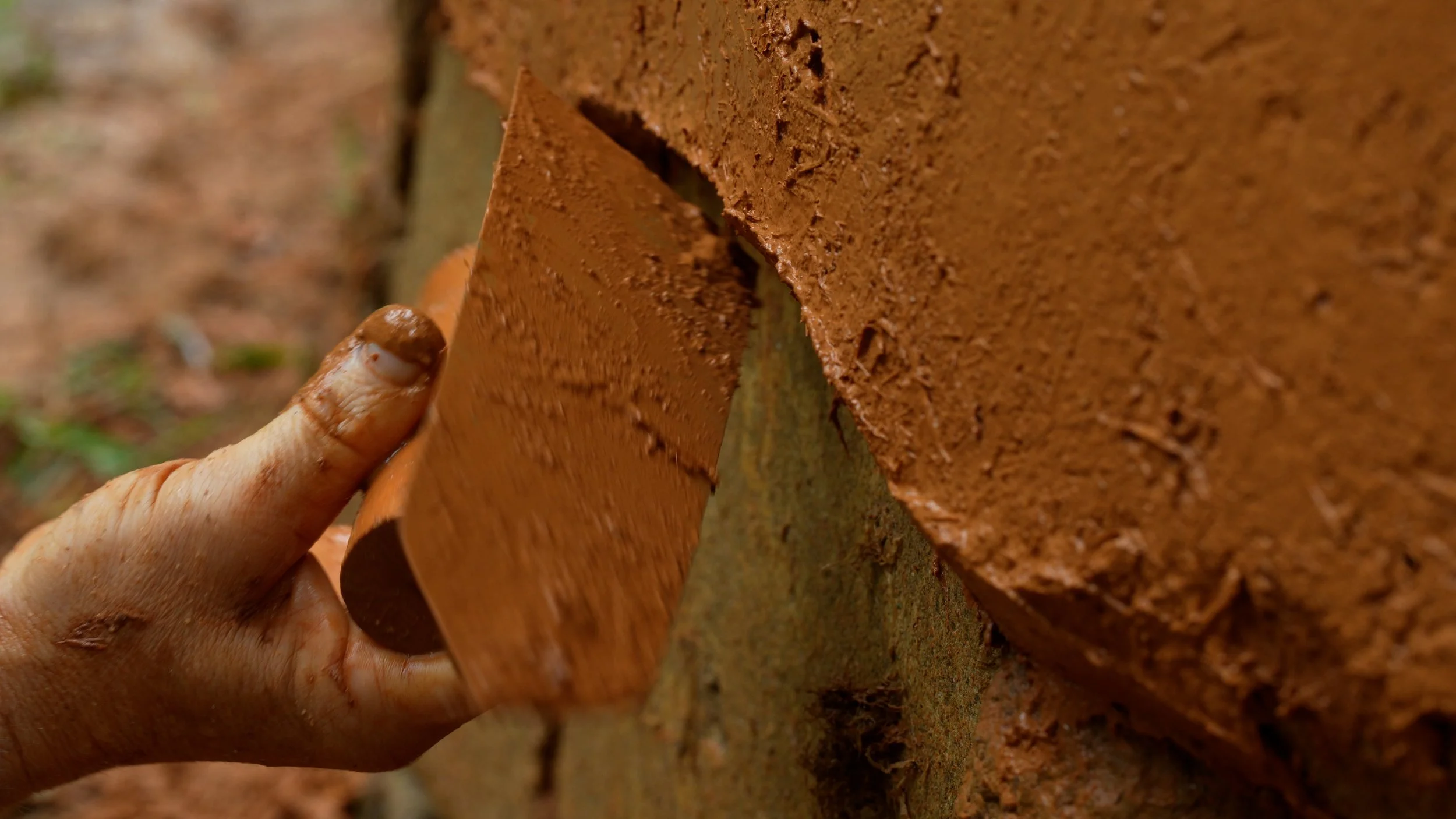
Depth of field in photography refers to the relative degree to which the background is in focus. In my filmmaking, I apply shallow depth of field in its most literal sense, lingering on close-ups of hands at work. Applied to interviews, shallow depth of field formulates interview questions in ways that are intimate and narrowly focused, focusing on the relationship workers have to their work and skillsets and leaving the social contexts unexamined, or “blurry.”
The first set of questions explored how tradeswomen creatively develop and adapt their skillsets. These questions aim to subvert the idea that tradeswomen must cross through a threshold into a foreign land to learn an entirely new set of “masculine” skills. In reality, tradeswomen begin developing their trades skillsets the moment they begin using their hands.
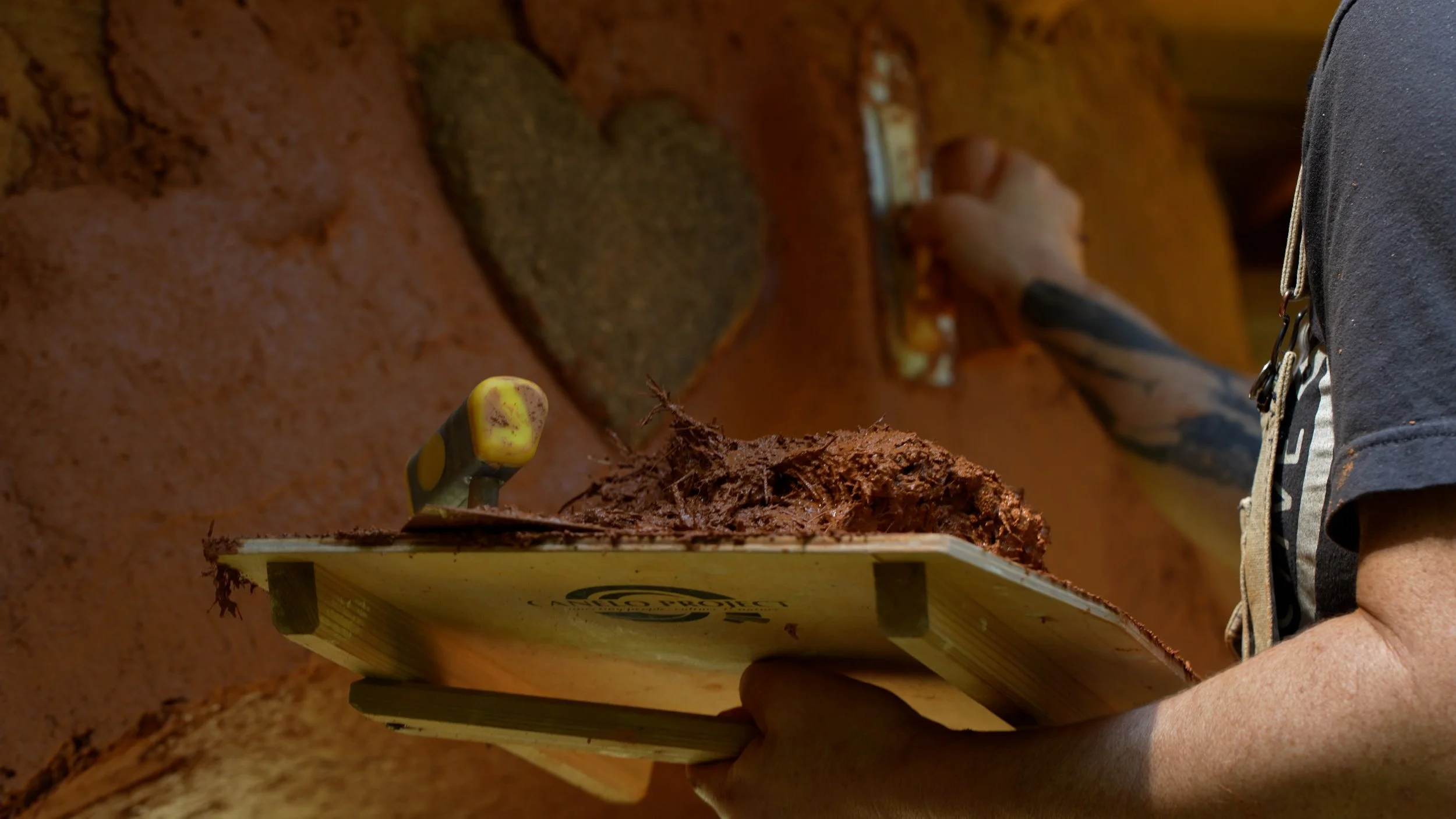
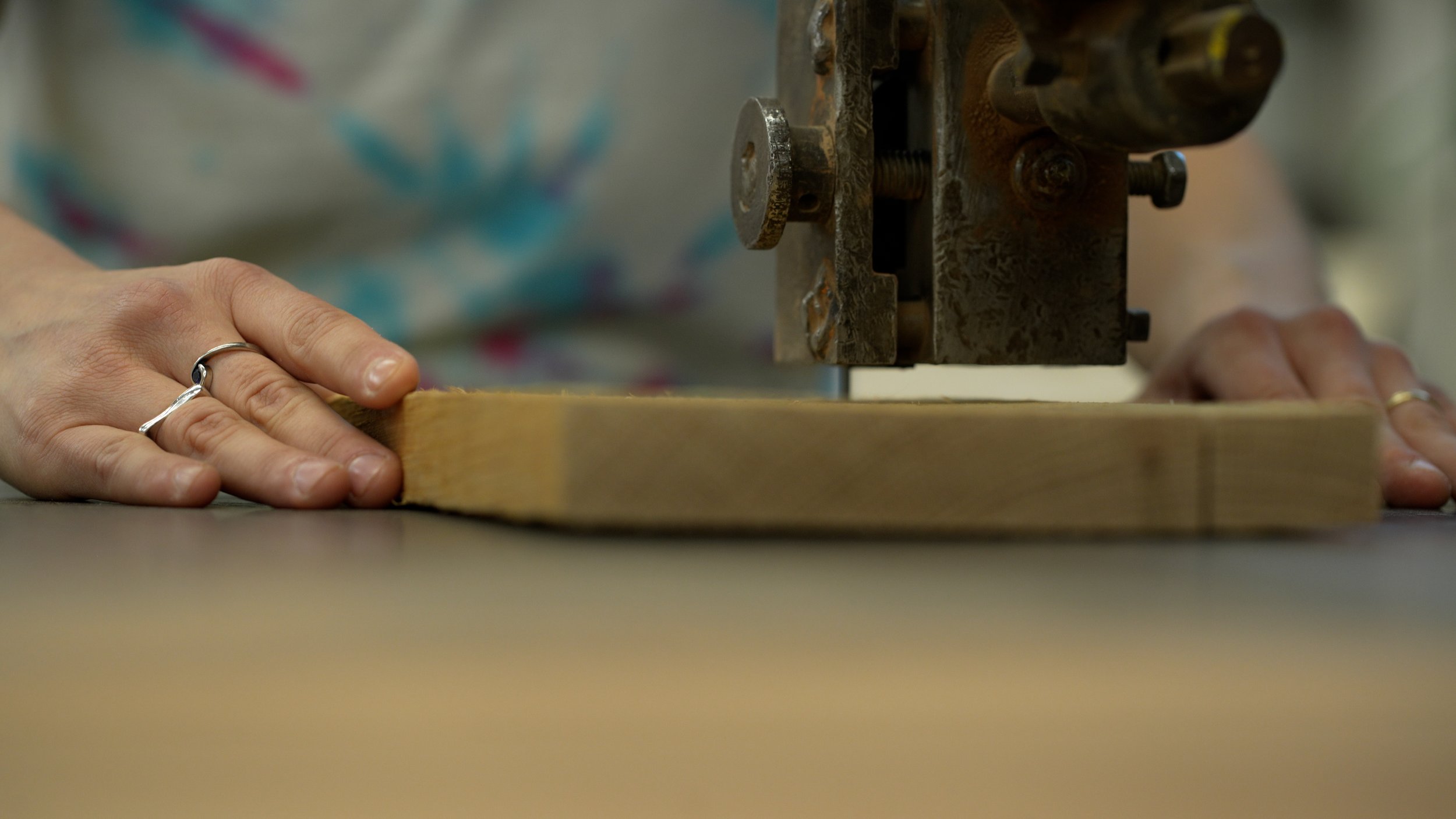
When I asked Danielle to consider the ways her skillsets have been adapted from other areas of her life, she laughed and told me about a recent experience she had as a student in a continuing education woodworking class. Though she has been a builder for decades—using circular saws and table saws—she felt nervous to use the bandsaw, a woodworking tool she was unfamiliar with.
“And then,” she said, “I did it. And my teacher was like: ‘It’s perfect!’” She realized, she continued, that it was “exactly like sewing. You have to keep your eye on the needle and not go too fast when you curve. There’s so much overlap,” she explained, “in doing things in the physical world—we’re all doing physical tasks within the properties of how things move through space; the laws of physics don’t change. If you’ve decorated a cake,” she continued, “you know that materials of this viscosity move in this way; it’s just like plastering.”
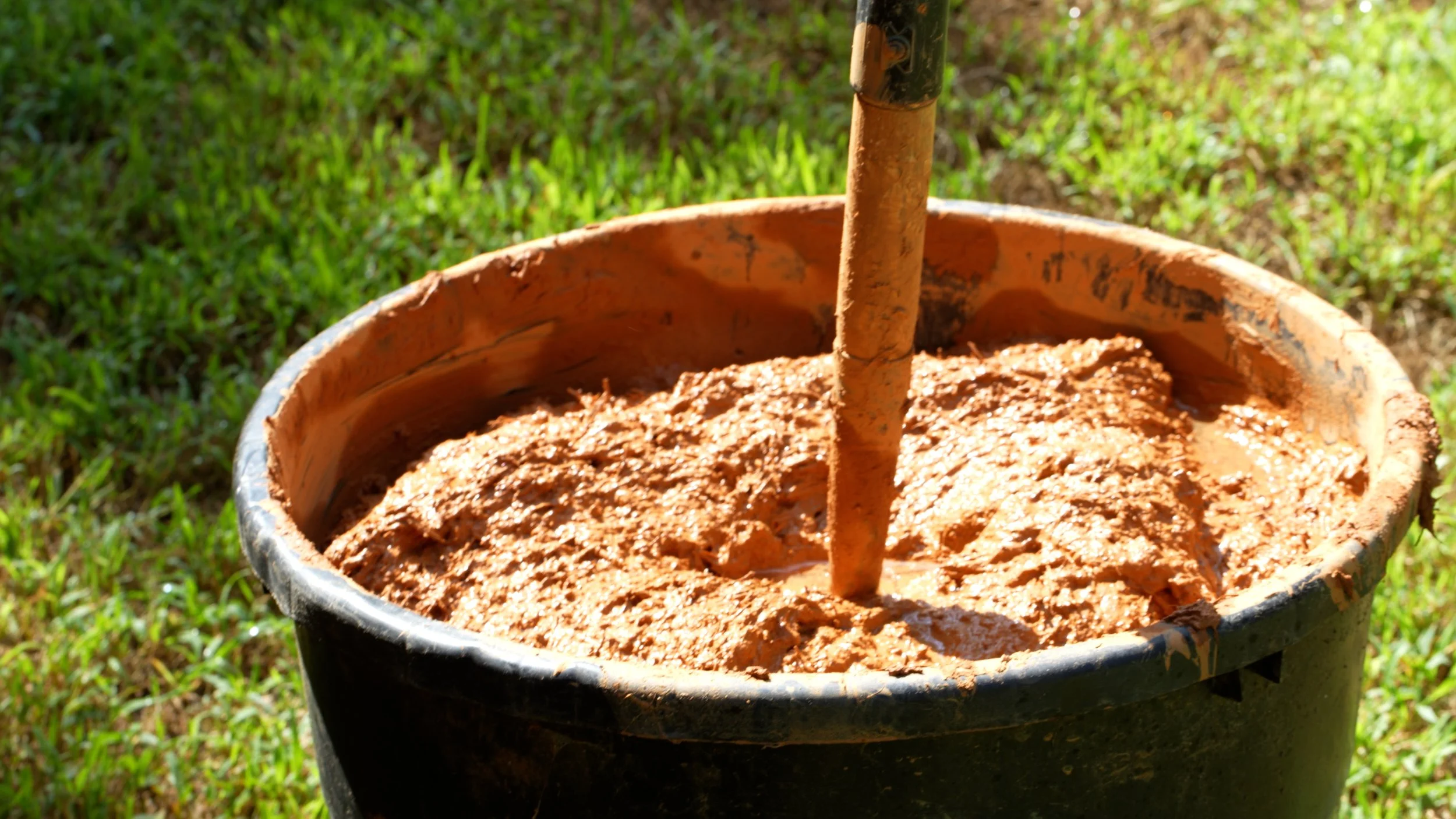
She described the tiny icing spreader that she keeps in her box of plastering trowels to use in tight spots and explained that when she’s mixing materials for natural building, she can’t help but make baking analogies. “We’re going to mix the dry ingredients first and then we’re going to add our liquid, and then at the end we’re going to put in the chunky straw like you add your nuts and chocolate chips at the end of your banana bread. That’s what makes sense when you’re mixing dry and wet and chunky things. It’s just the same.”
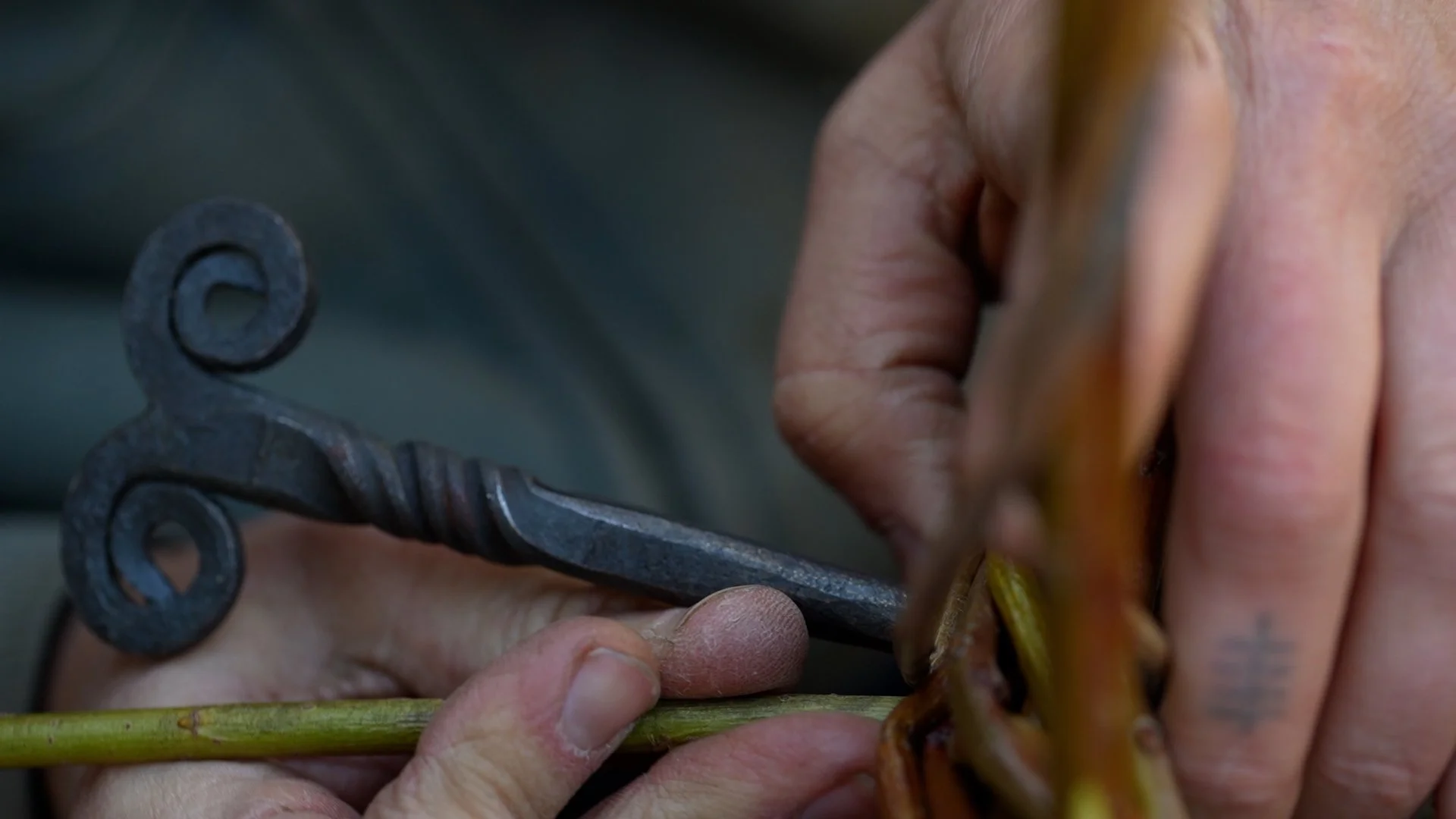
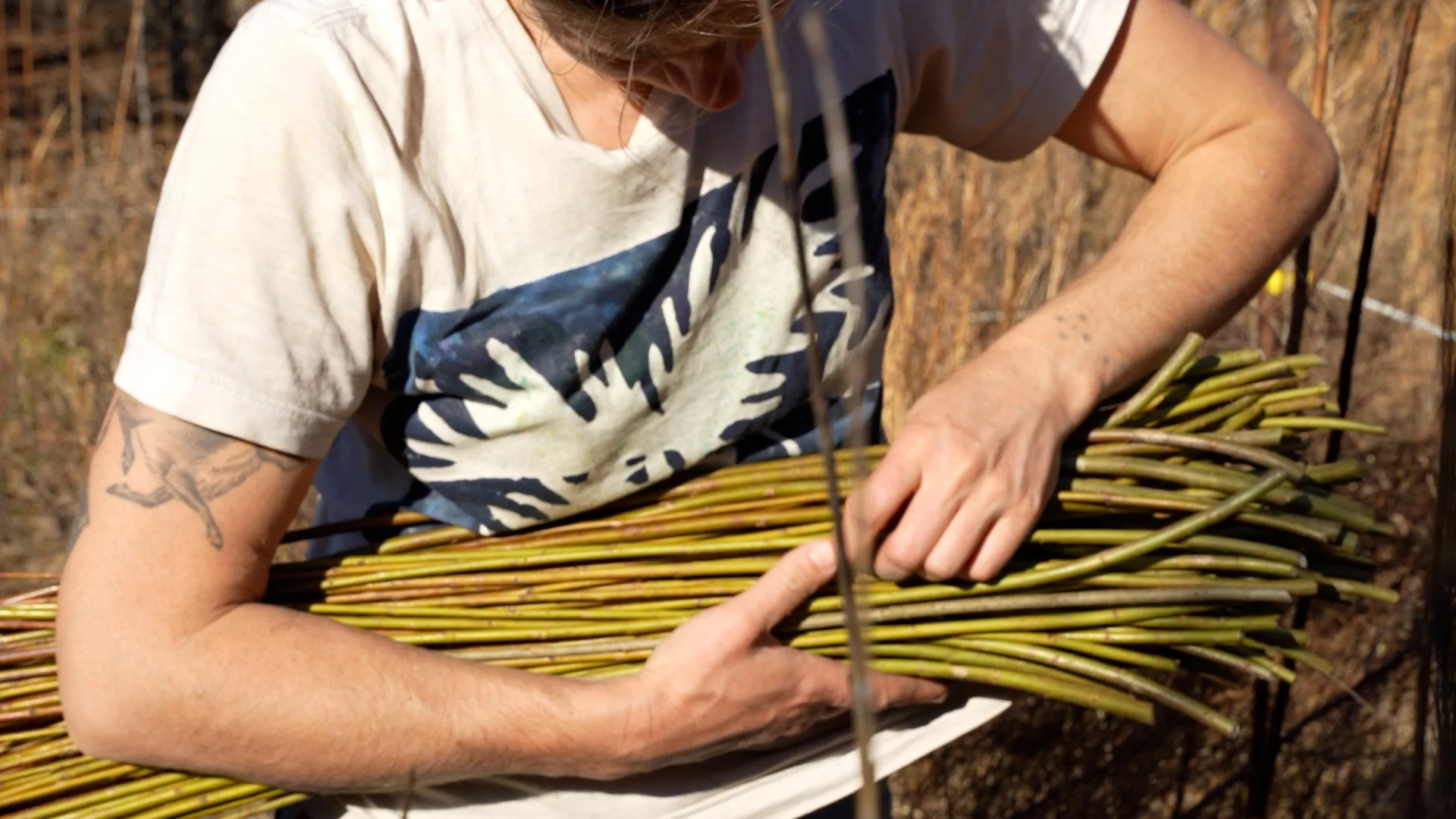
Angela’s work is an interesting case study in gender; as a basketmaker and metalworker, she straddles what we think of in the contemporary United States as female-dominated and male-dominated work.
And yet, the more Angela and I talked about the duality of her work, the more she emphasized the overlap. “The distinctions that create the separation between those worlds are so arbitrary and externally put upon them; it is so natural to move fluidly between them,” she said.
“There's overlap in working really repetitively and honing something—taking something to that finely crafted level that is not only about the aesthetic but the function of it.” Both, she says, are grounded in creative problem solving with materials.
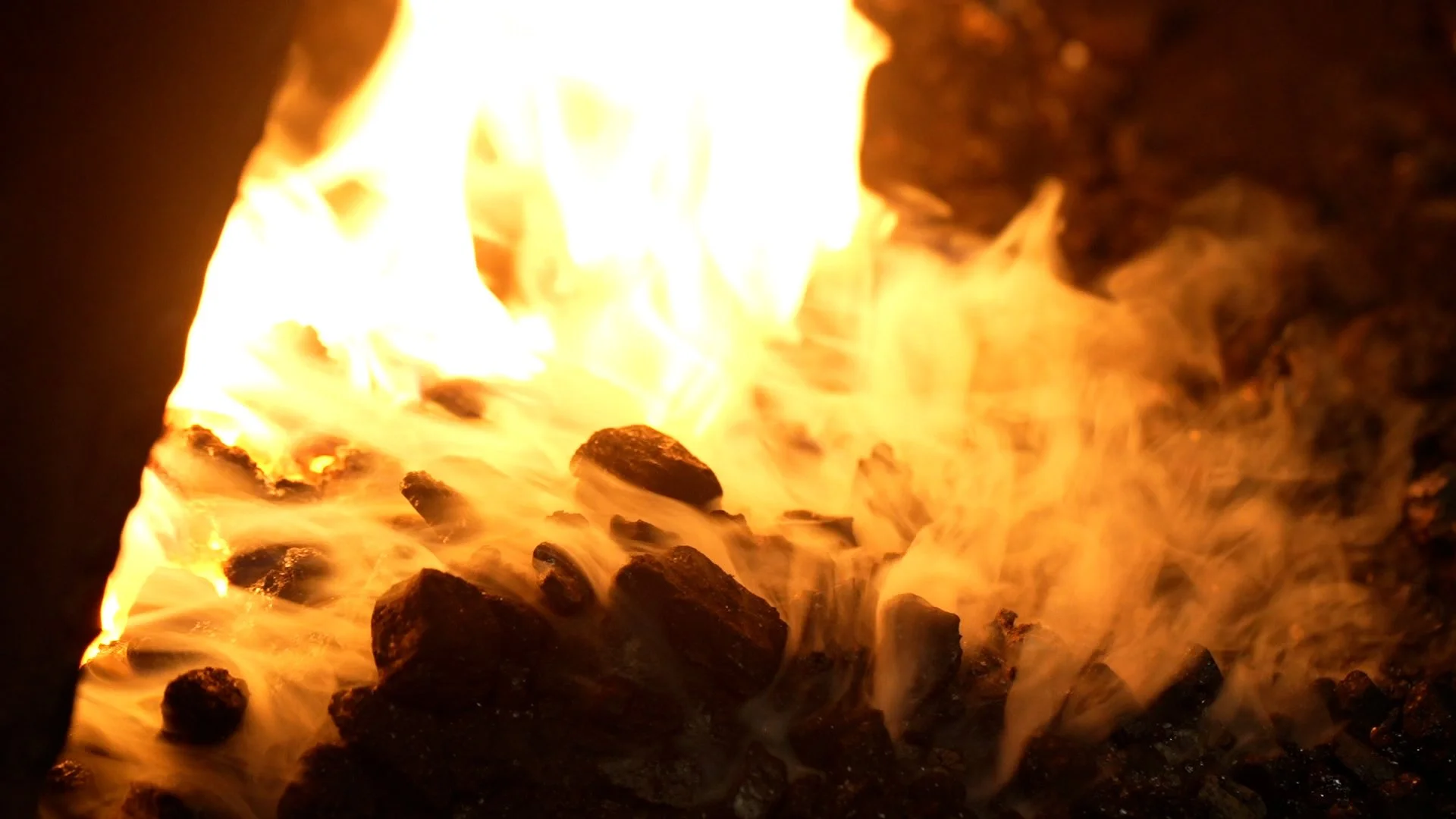
Intentionally upending stereotypes, she added, “There are really sedentary and slow, tedious parts of the metalworking process as well as really physical, laborious parts of basketry. The forge is very hot and you’re sweaty, but so is being in the field growing."
This notion of overlap resonates with my experience as an electrician. When I’m wiring a switch box—pulling out the long copper wires, sorting them, and carefully twisting them together in a particular pattern—I can’t help but recall the crafts I did as a little girl: jewelry, hair braiding, friendship bracelets.
I don’t draw these comparisons to trivialize or feminize the trades, but rather to relocate trades work from an imagined place of official ownership to an embodied experience of individual adaptation and agency.
Just as feminist historians have demonstrated the continuity of women’s manual work throughout millennia, folklorists are positioned to investigate the continuity of skill within individuals’ lives, showing how becoming a tradesperson is not a discrete event but a continuous, creative process.
A second set of questions invited tradeswomen to reflect on the nuances of their learning experiences more broadly: how they conceive of their own learning curves, what they view as important elements of skills development, what they found difficult and easy, and how they related to the notion of difficulty altogether.
My hope is to present the learning process in ways that feel accessible. While it is tempting to emphasize the specialized nature of trades skills in order to create an impressive portrait of the worker, doing so can unintentionally gatekeep the trades and fail to capture the lived experience of skills development.
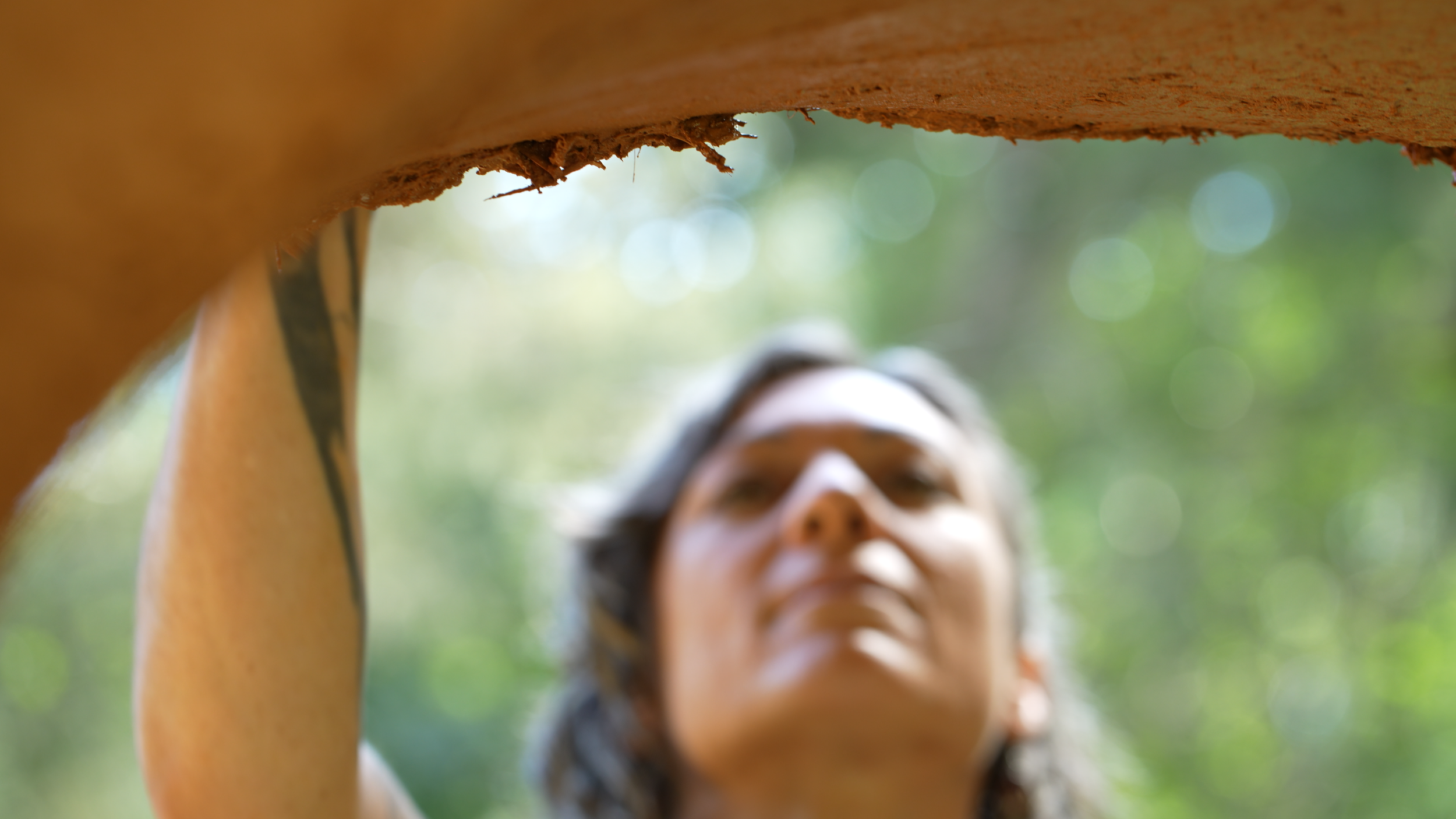
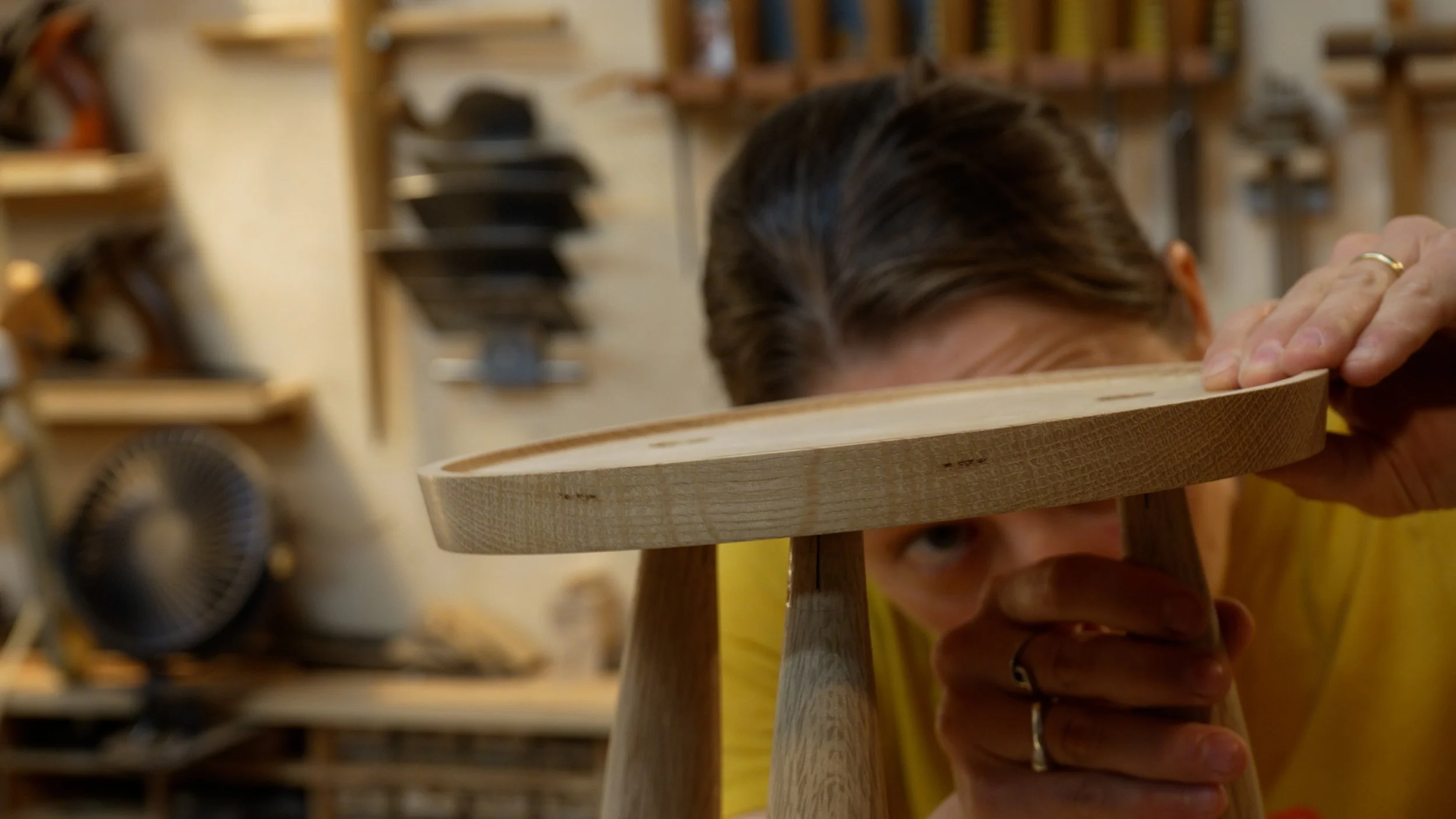
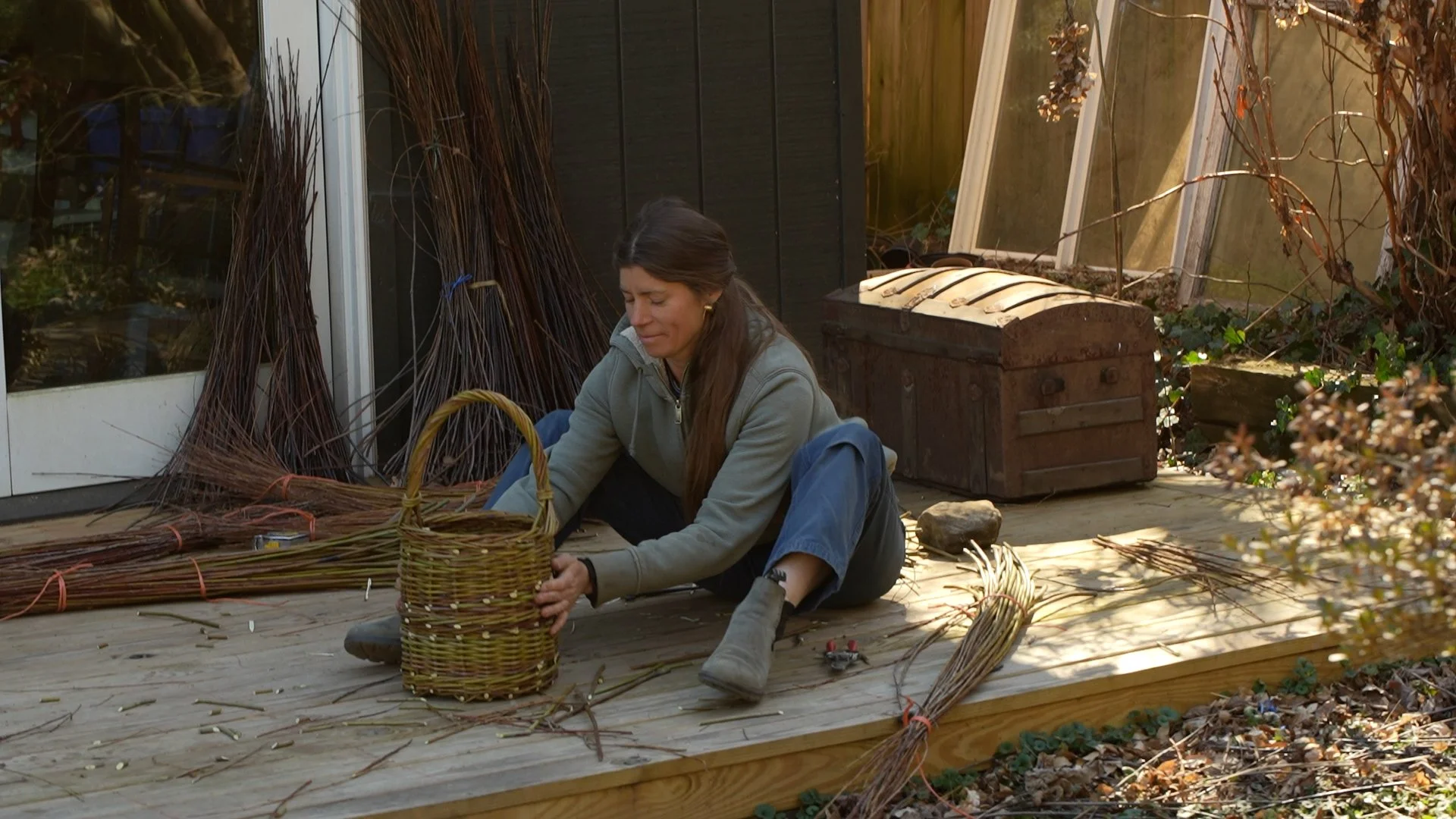
The third category of questions moved from the development of skillsets to the present relationship tradespeople have with the materials, tools, and techniques of their trades. I encouraged tradeswomen to talk intimately about their work experiences: to describe a task from the perspective of their hands, their mind, and their tools; to talk about what tasks they uniquely love and hate; to describe their hands; and to elaborate on their relationship with their tools. These conversations are designed to provide a window into the interior experience of trades work. Like telling about your relationship with a person, you tell a bit about yourself in the process.
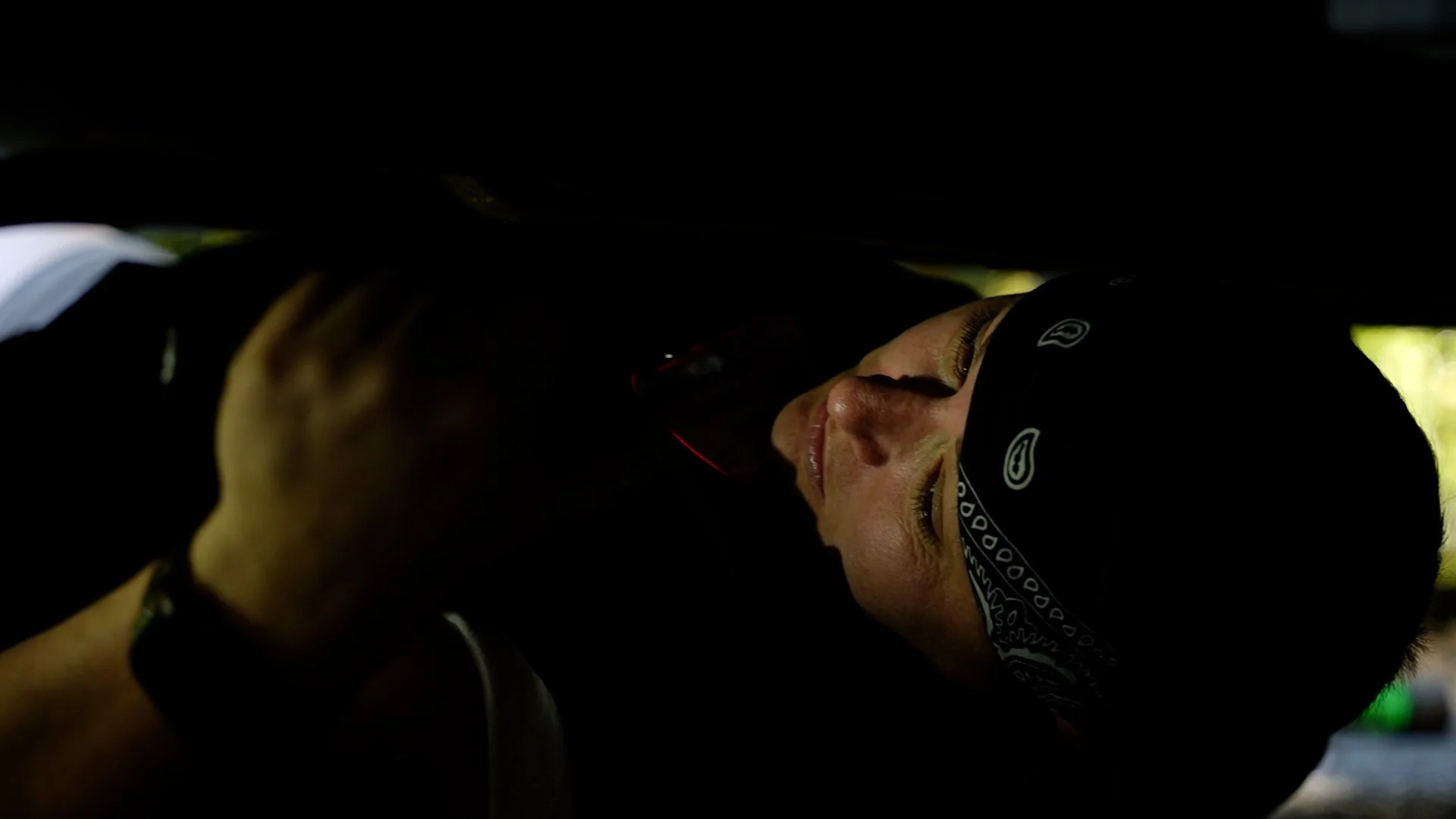
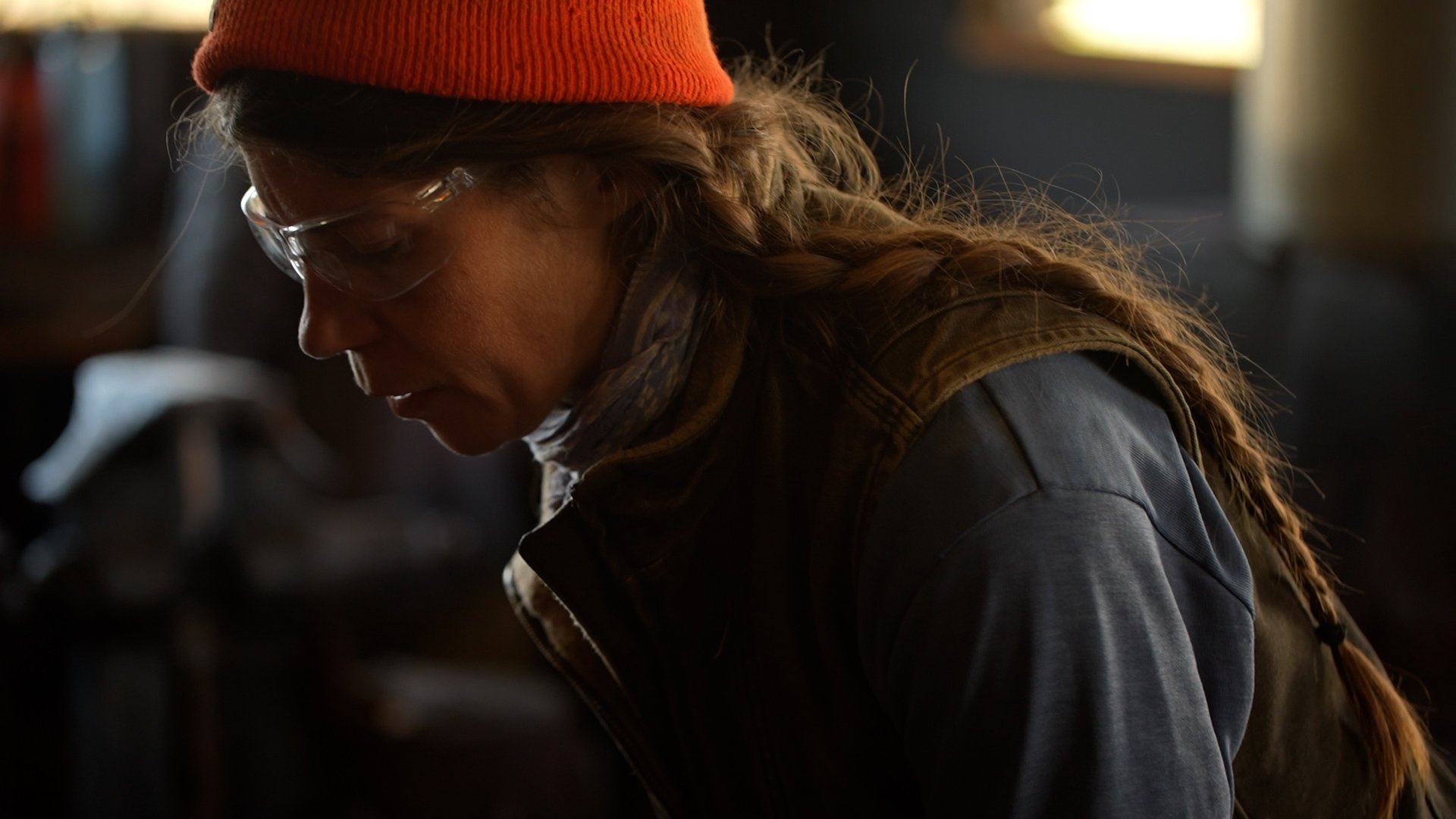
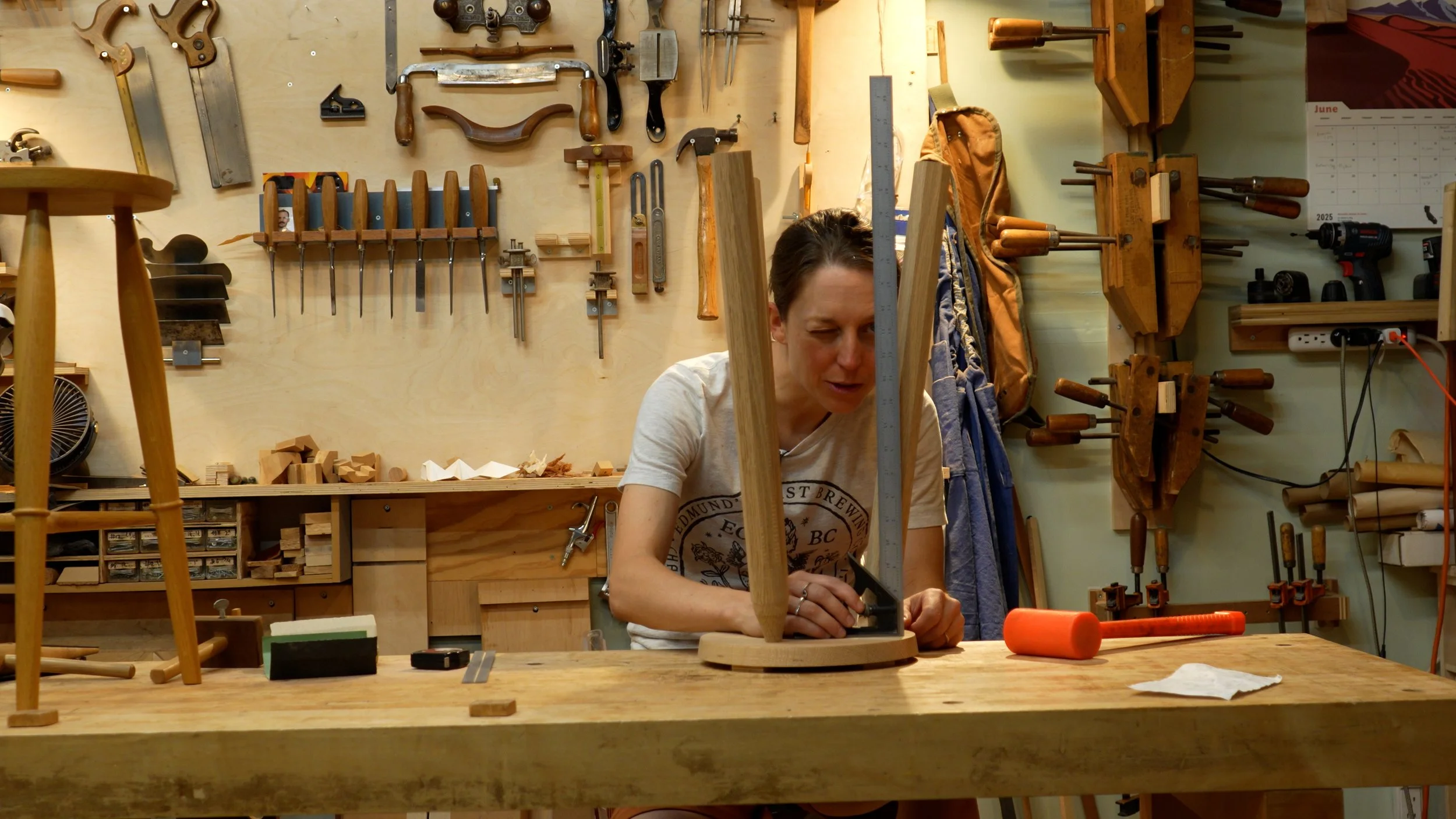
The fourth and final set of questions engages in an absurdist gendering of skills, using play to undermine the arbitrary divisions of "masculine" and "feminine" labor. How, my work asks, can experimenting with how we talk about skills help un-gender the skills themselves? For this, I invited my collaborators to participate in a playful exercise: to describe a common task twice—first framed in a way that felt stereotypically masculine, then in a way that felt stereotypically feminine.
While this exercise may at first seem to reify stereotypes and binaries, the intent is the opposite: to explore how readily skills can be gendered in service of grand narratives, demonstrating the absurdity and artificiality of such division.
I began by sharing an example from my own work. A panel change is a race against the clock: the power is off, and if you don’t finish before the inspections department closes in the mid-afternoon, the customer will spend the night without power. You unscrew rusty metal parts and drill through steel while shards of metal fly through the air. You rip the old panel off the wall and hoist the new one into place, holding its weight while shoving wires through the openings as quickly as possible.
But equally true is that when doing a panel change with the customer’s power off, you find yourself in a quiet, dark space, moving quickly and methodically. You unscrew wires that another electrician installed eighty years ago, noticing how techniques and materials have changed over the years. You flip your screwdriver around and run the plastic handle down the length of the copper, straightening the wires as if you are straightening hair. Throughout the entire process, you must be careful not to nick the insulation on the wires. Meticulously, you match the openings of the old panel to the new, slipping the wires in and re-bending them neatly onto the new breakers.
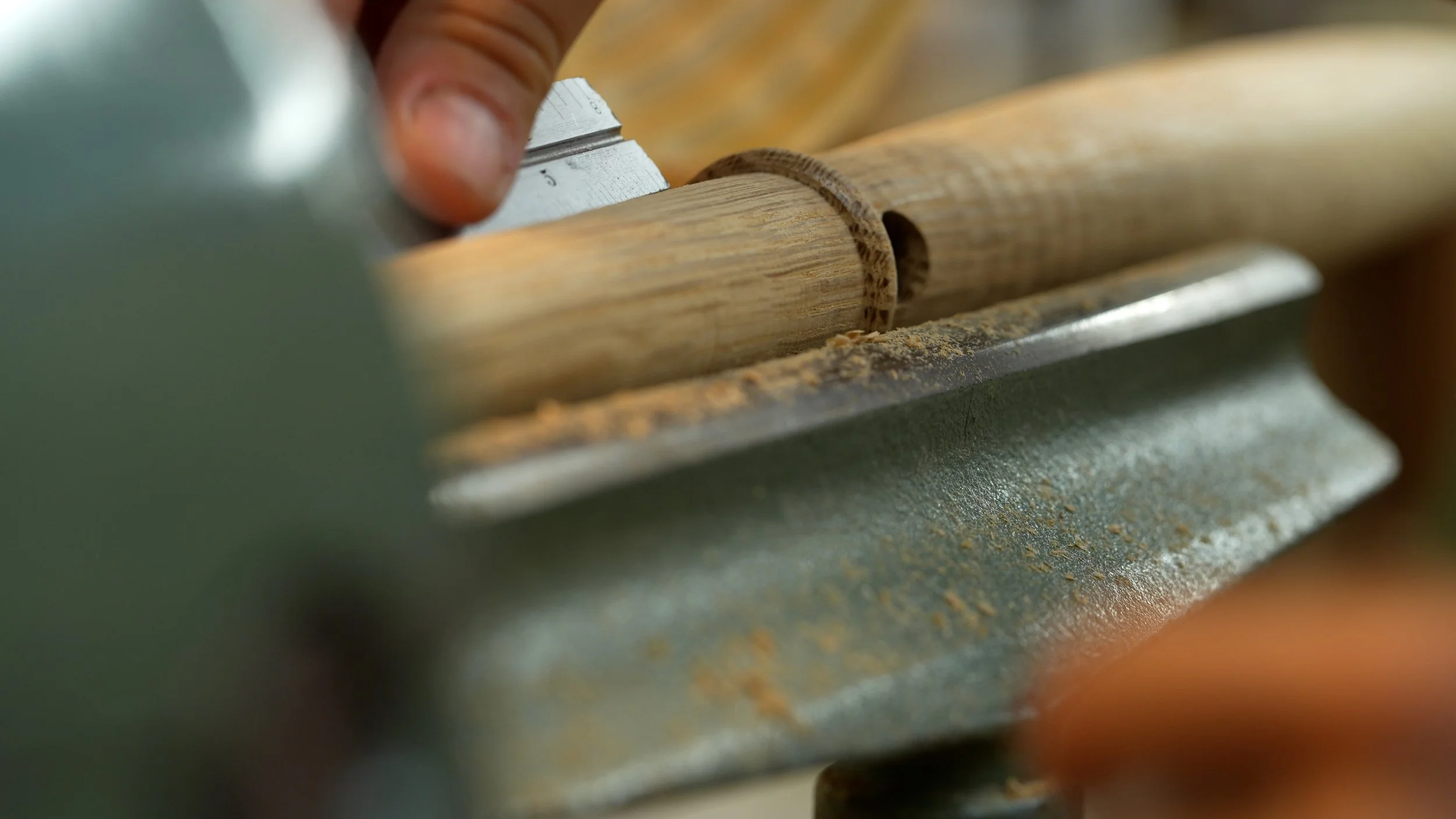
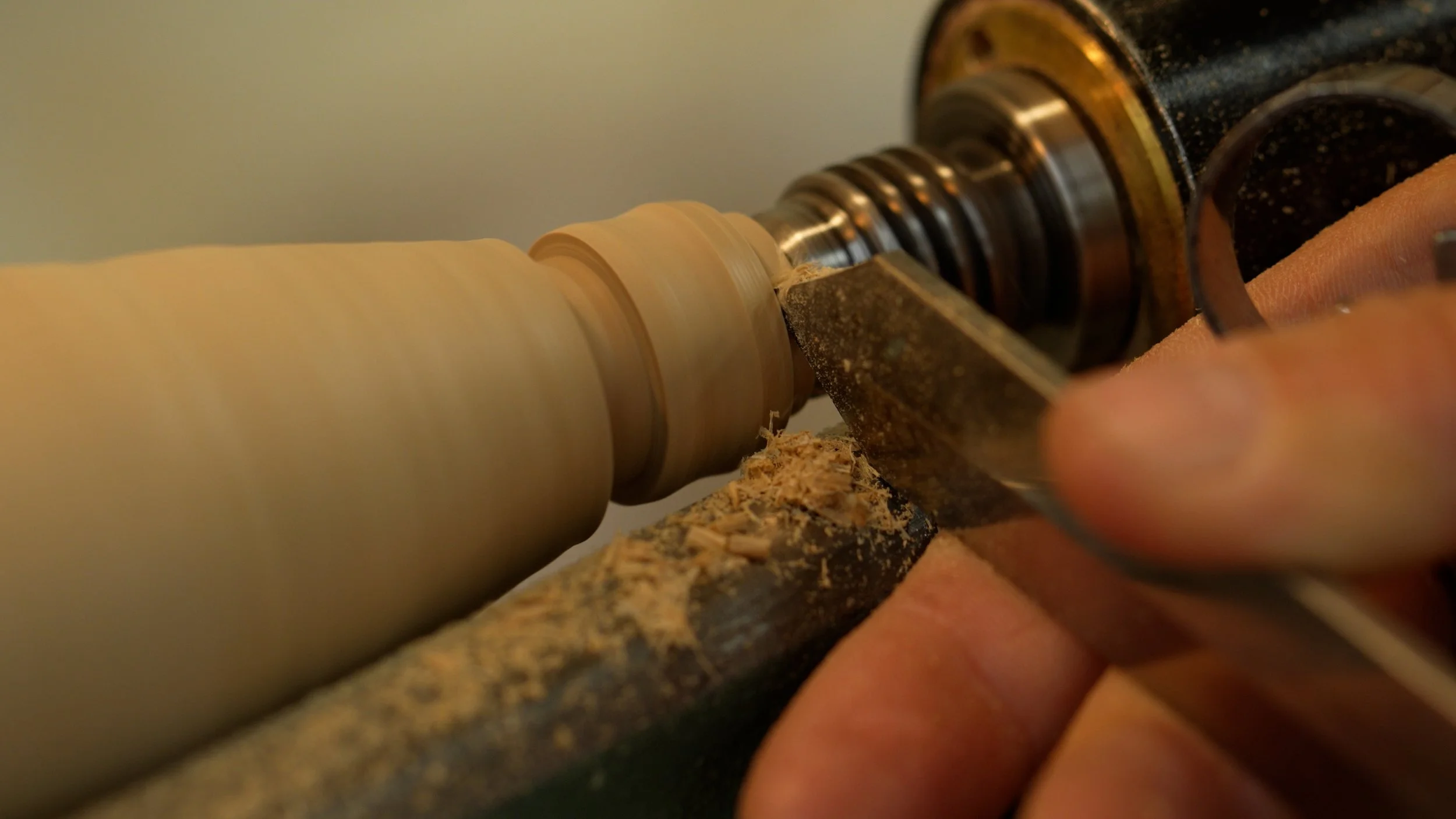
Laughing, Meredith first depicted milling wood as a raw process with big boards; you chop them up, rip them down to size, run them through a big machine, and cut them down into the material you need.
She then described the same process as one of discovery: “It was beautiful as a tree, but we're going to create something new out of it.” She described how the jointer reveals how the tree grew. Spraying water on the board at this point will begin to show the grain. “You’re smoothing it out, taking something rough and creating something a little finer.”
Danielle described mixing plaster first as a process of dumping and pushing heavy materials around and then as one of observing, adding, and modifying.
When I asked tradeswomen which depiction felt more true, they invariably said, “both.” Invariably, too, the exercise led to laughter. Just as a well-pointed argument can work against the arbitrary gender divisions drawn by grand narratives, the experimental play possible in ethnographic work can do the same, loosening the knots of grand narratives until they are just a jumble of string.
The four films currently presented on The Working Hands Project website trace the evolution of close narrative within my filmmaking and ethnographic practice. The film of Nikki contains nascent elements of close narrative in its visuals, though it is primarily anchored by social context and follows a narrative arc. The film of Angela unwittingly begins the move towards close narrative, though it remains a collage of multiple contexts. The final two films featuring Danielle and Meredith represent close narrative as I have conceived of it here, though they differ in format from one another. I have not attempted to retroactively revise each film to fit a unified template; rather, this website stands as a record of evolving practice—a set of related but diverse examples of how tradespeople’s stories can be told
Craft and Trade
The Working Hands Project intentionally includes occupations that span what we think of in the contemporary United States as crafts and trades. While it’s possible to come up with a list of stereotypical distinctions between these two terms—trades are more utilitarian while crafts are more decorative; trades use dangerous tools and heavy materials while crafts use softer, lighter, safer materials; trades take place in public while crafts are done within the household; trades produce items and services essential to daily life whereas crafts produce nonessential items—these distinctions break down when we try to apply them cleanly to specific occupations.
In the United States over the last century, the definition of trades has narrowed from what it once referred to—including barrel making, horse shoeing, stonewalling, thatching, shoemaking, etc.—to primarily refer to the building and auto trades. The remaining trades have been reassigned either as “crafts” or as “historical trades.” I attribute this increasingly narrow definition not to the inherent qualities of building and automotive skillsets, but to the fact that these are the occupations most able to resist offshoring and mechanization. A house is too large to be built in a factory or shipped from overseas, and it would be prohibitively expensive to offshore repairs of our vehicles. Today’s trades, therefore, are those of yesterday’s trades most immobile and resistant to mechanization.
But through the lens of utility, a woven basket still holds objects, a shoe still protects the foot, and a quilt still keeps us warm. What’s more, containers and shoes and blankets are not anachronisms but essential daily items in the contemporary United States. What has changed is not the essential utility of these objects nor the skill required to make them, but the fact that making them by hand is now comparatively more expensive. Consequently, The Working Hands Project operates on the premise that the modern distinction between craft and trade is a reflection of market value rather than the inherent nature of the work. For this reason, I have chosen to intentionally overlook these distinctions.
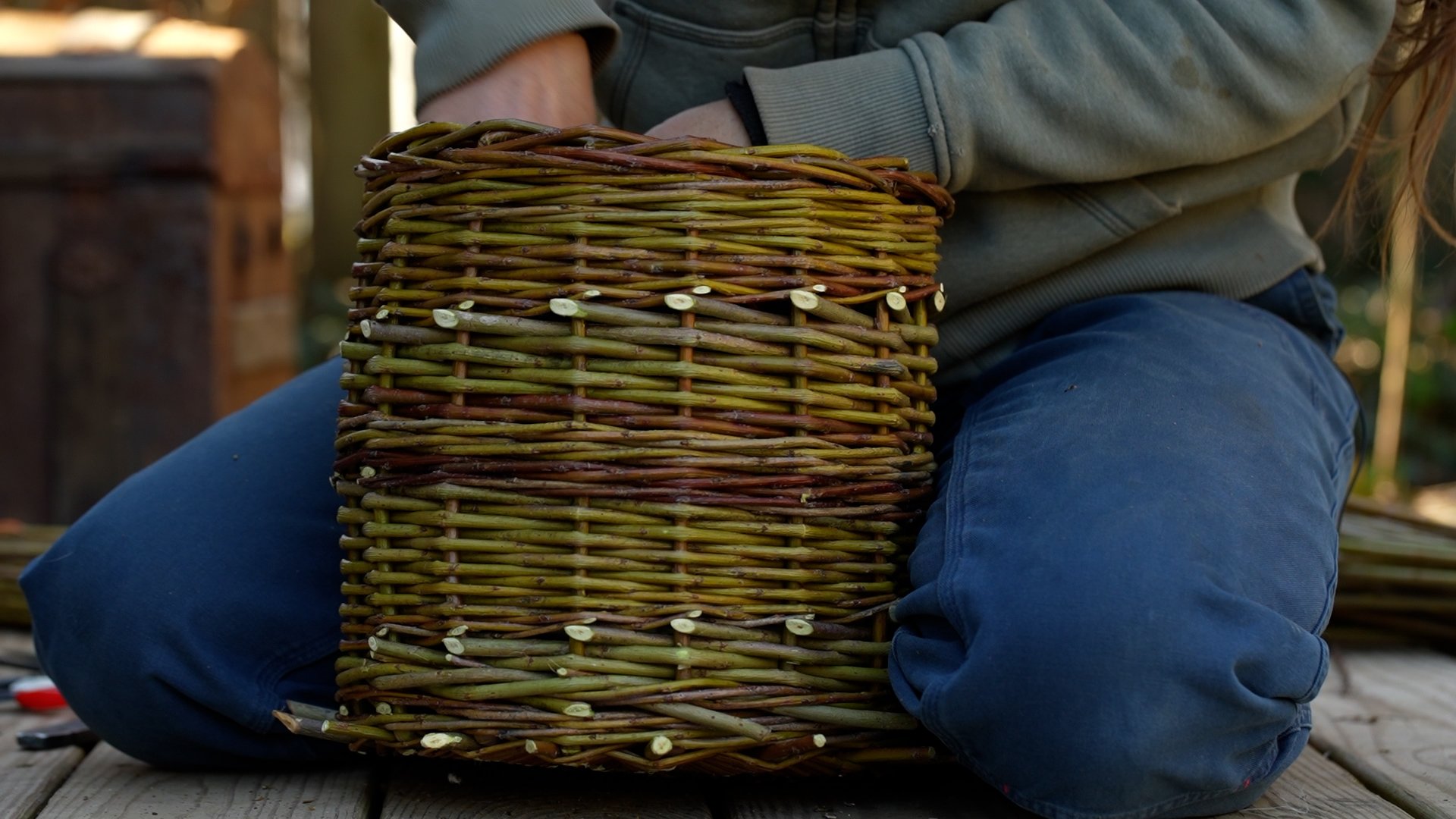
This choice is a markedly feminist one. As described above, the gender division within trades often shifts alongside changes in their market value. Trades that are commercially viable are typically male-dominated; as their market value wanes, they frequently transition to female dominance and, in the process, lose their status as a trade. Of the remaining oak swill basketmakers in the United Kingdom (formerly an exclusively male trade), three out of four are women. Similarly, Norwegian rope making is kept alive today by two women at the Hardanger Maritime Center. Conversely, in countries where the manufacture of goods makes up a significant portion of commerce, men still engage in work that we categorize as crafts in the United States—such as male cloth weavers in India.
By removing the division between craft and trade, I am not only asserting that crafts are equal in skill and utility to contemporary trades but also reasserting the long and often-forgotten history of women’s work in the trades.
References Cited
Archer, Janice Marie. "Working Women in Thirteenth-Century Paris." PhD diss., The University of Arizona, 1995.
Barber, Elizabeth Wayland. Women's Work: The First 20,000 Years: Women, Cloth, and Society in Early Times. New York: W. W. Norton & Company, 1994.
Elisson, Suzanne. "A Craft Linking Thought, Knowledge, and Action." Lost Art Press Blog. April 8, 2016. https://blog.lostartpress.com/2016/04/08/a-craft-linking-thought-knowledge-and-action/.
———"From La Femme de Charpentier to the Lumberjill." Lost Art Press Blog. April 24, 2016. https://blog.lostartpress.com/2016/04/24/from-la-femme-de-charpentier-to-the-lumberjill.
Federici, Silvia. Caliban and the Witch: Women, the Body and Primitive Accumulation. New York: Autonomedia, 2004.
Martin, Molly. Hard-Hatted Women: Stories of Struggle and Success in the Trades. Seattle, WA: Seal Press, 1988.
———Wonder Woman Electric to the Rescue: The History of Tradeswomen (2nd ed.). San Francisco, CA: Tradeswoman Press, 2017.
Tradeswomen Magazine. Tradeswomen Magazine Archive (1981–1998). JSTOR Independent Voices Collection.
Tyrer, Nicola. They Fought in the Fields: The Women's Land Army—The Story of a Forgotten Victory. London: Arrow Books, 2008.