Angela Eastman
Basketweaver and Metalworker
I learned
how to make baskets with a woman named Joan Carrigan who is a basket maker from Salt Spring Island in British Columbia.
I was drawn
to the idea of doing something that I pretty much just needed my hands for, that I could do outside, and that was a contrast to the metalworking that I was doing a lot of. I did all these other crafts that were really tool heavy and needed a lot of special equipment, and basket weaving was appealing to me in its low-techness.
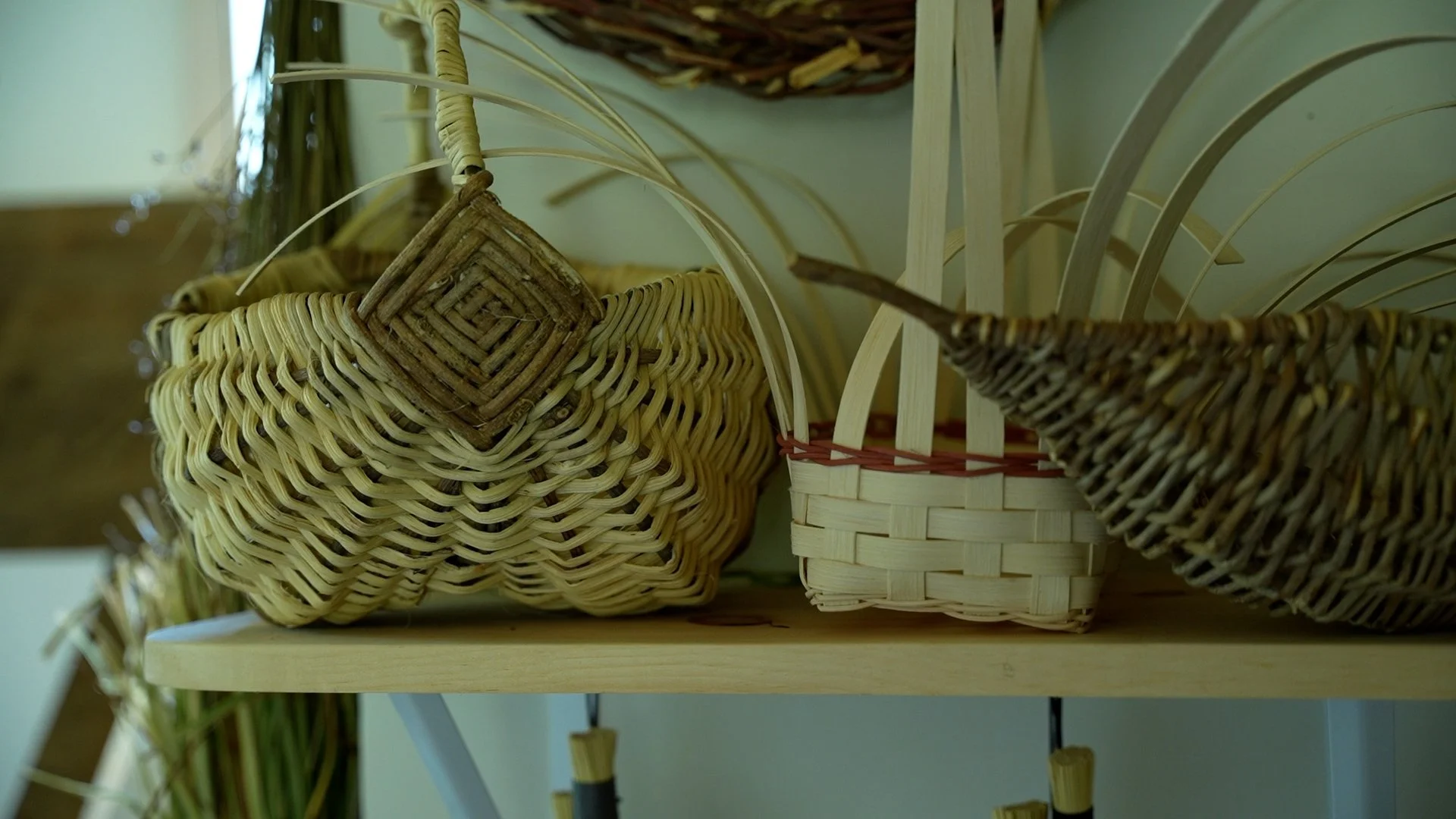
I loved that class. It was a spectrum of a lot of different styles of basket weaving.
I started to seek out different teachers.
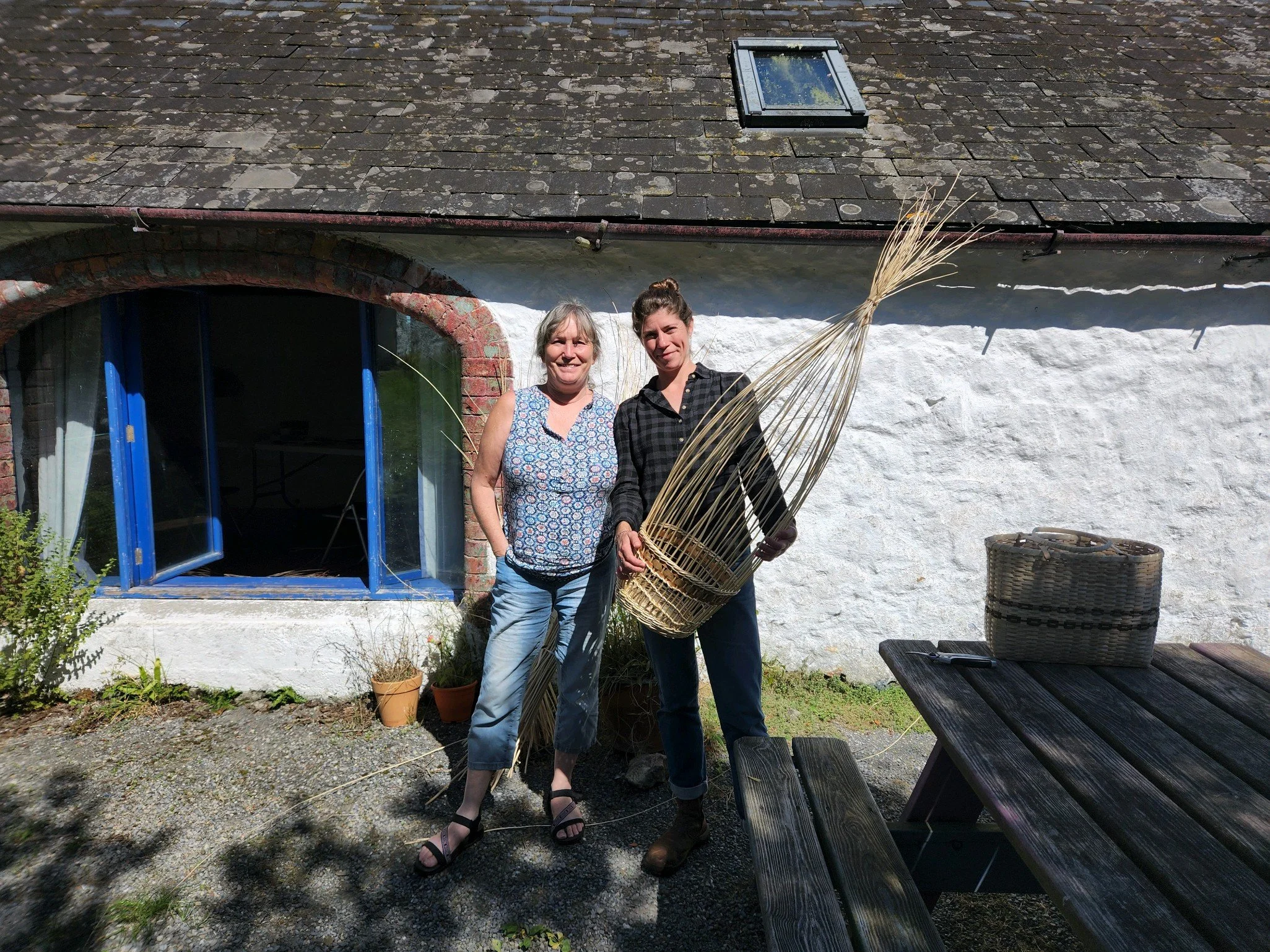
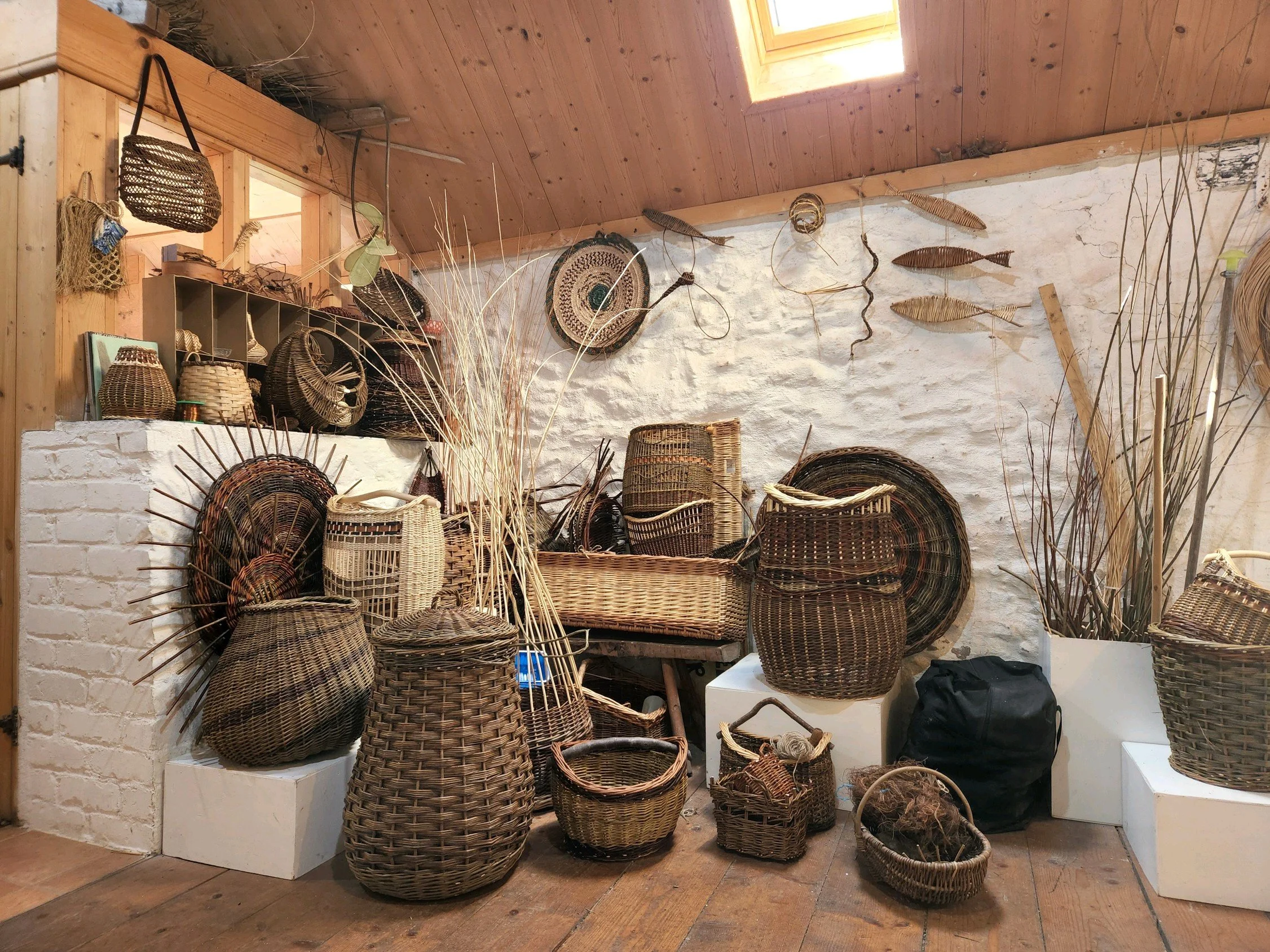
I went to Ireland a few years ago with my mother. I really wanted to find a basket weaver to learn from. I reached out to Kathy Hayden. She had her little workshop in an old dovecote—where they kept the doves.
The basket weaver
that she apprenticed to mostly made fishing baskets, which, until the 90s, were an official unit of measurement for the fishermen.
It was cool to hear about baskets being very recently such an official and important tool.
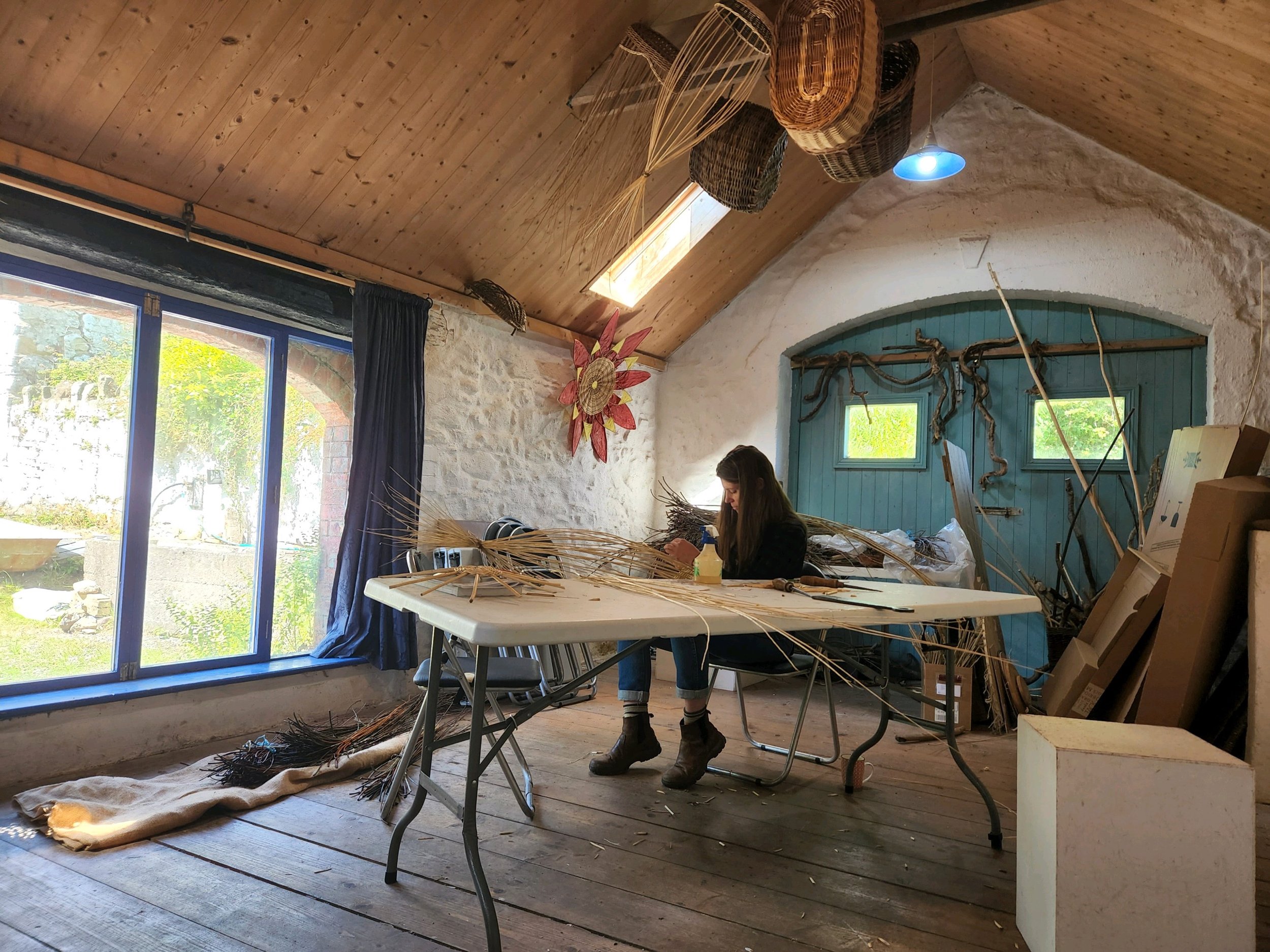
She was
one of the first female apprentices that this man had ever had. He started to accept women because he feared that the craft was dying out.
But it was traditionally men's work and usually family industry; it would pass from father to son.
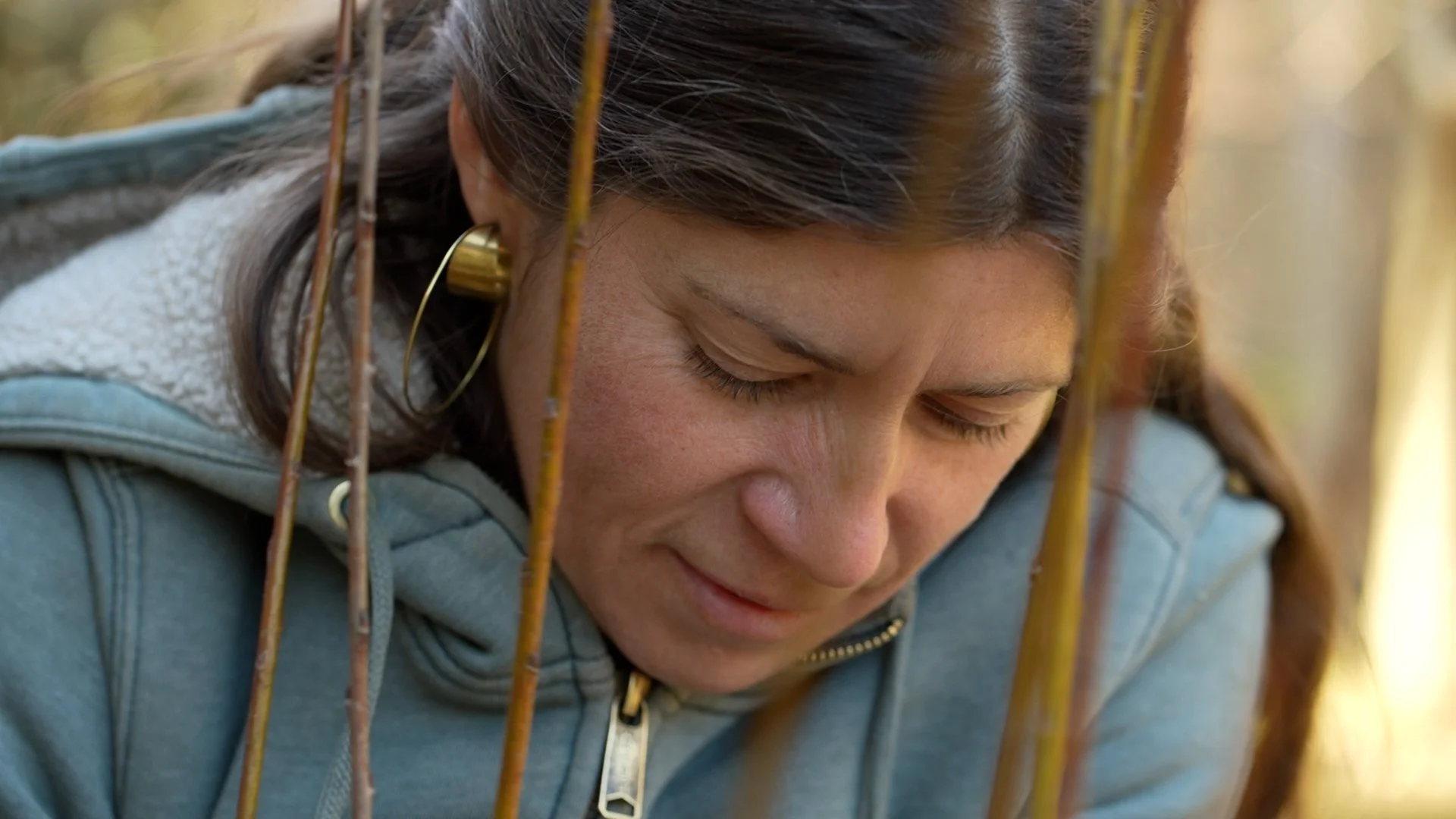
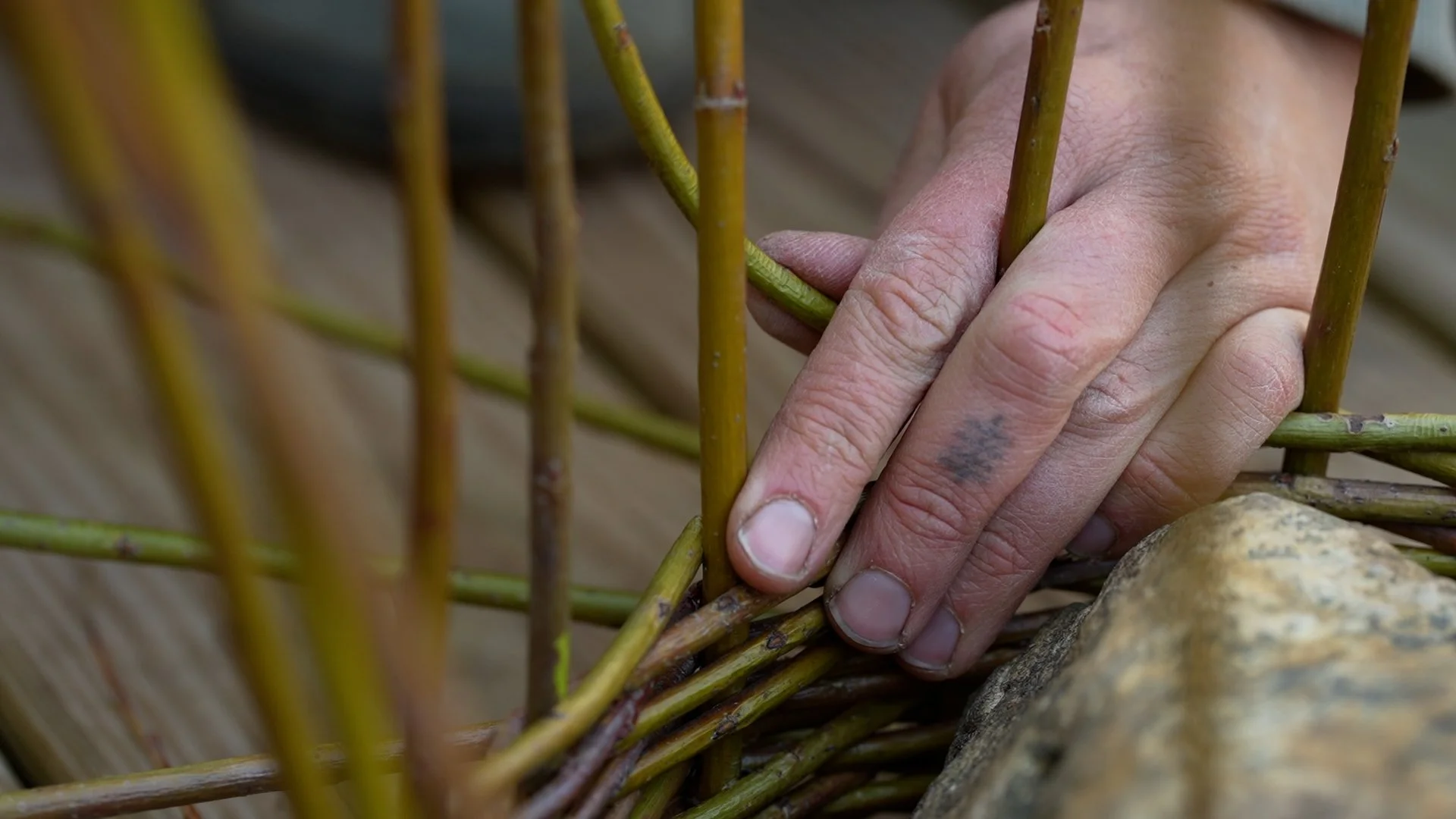
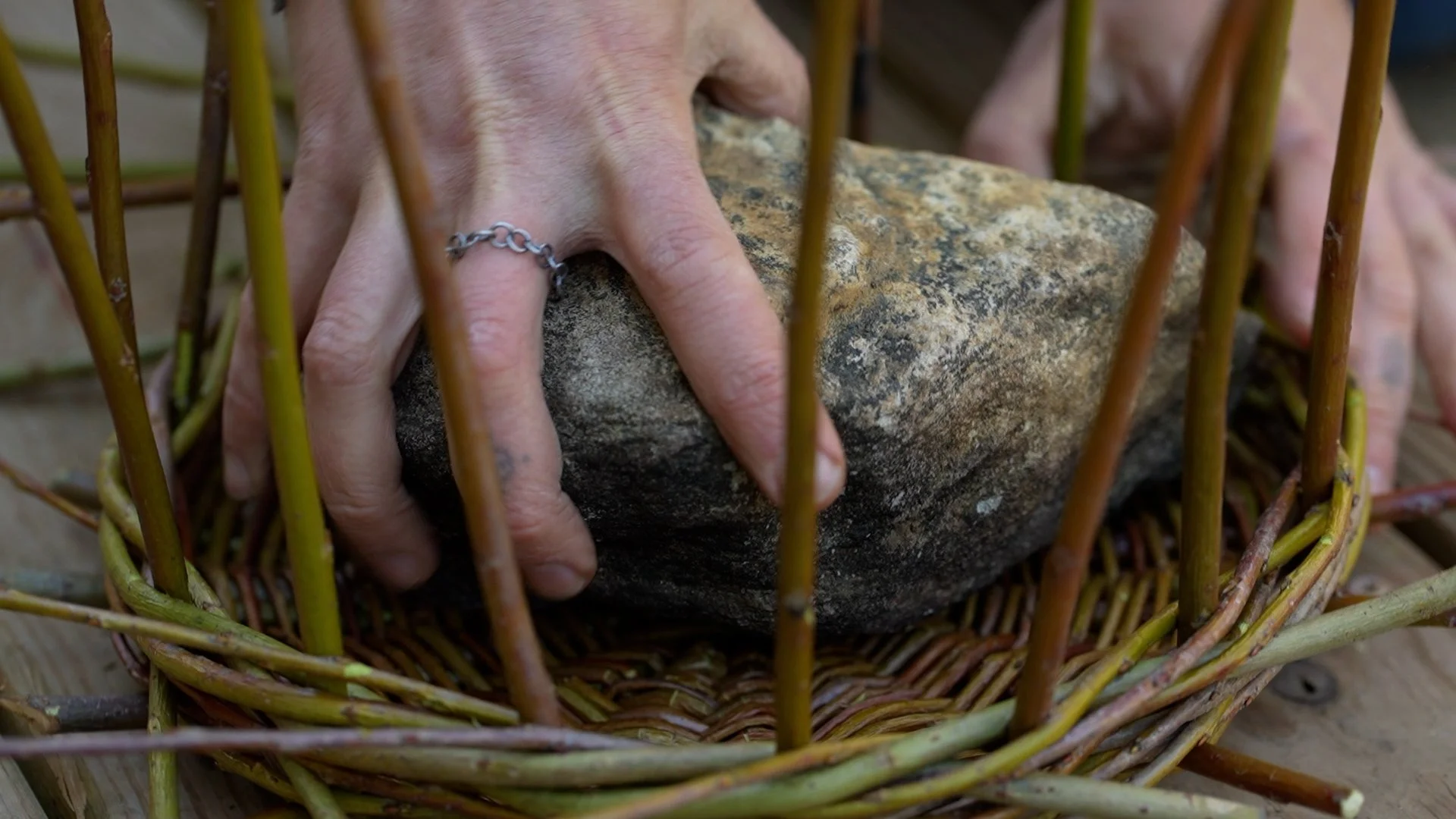
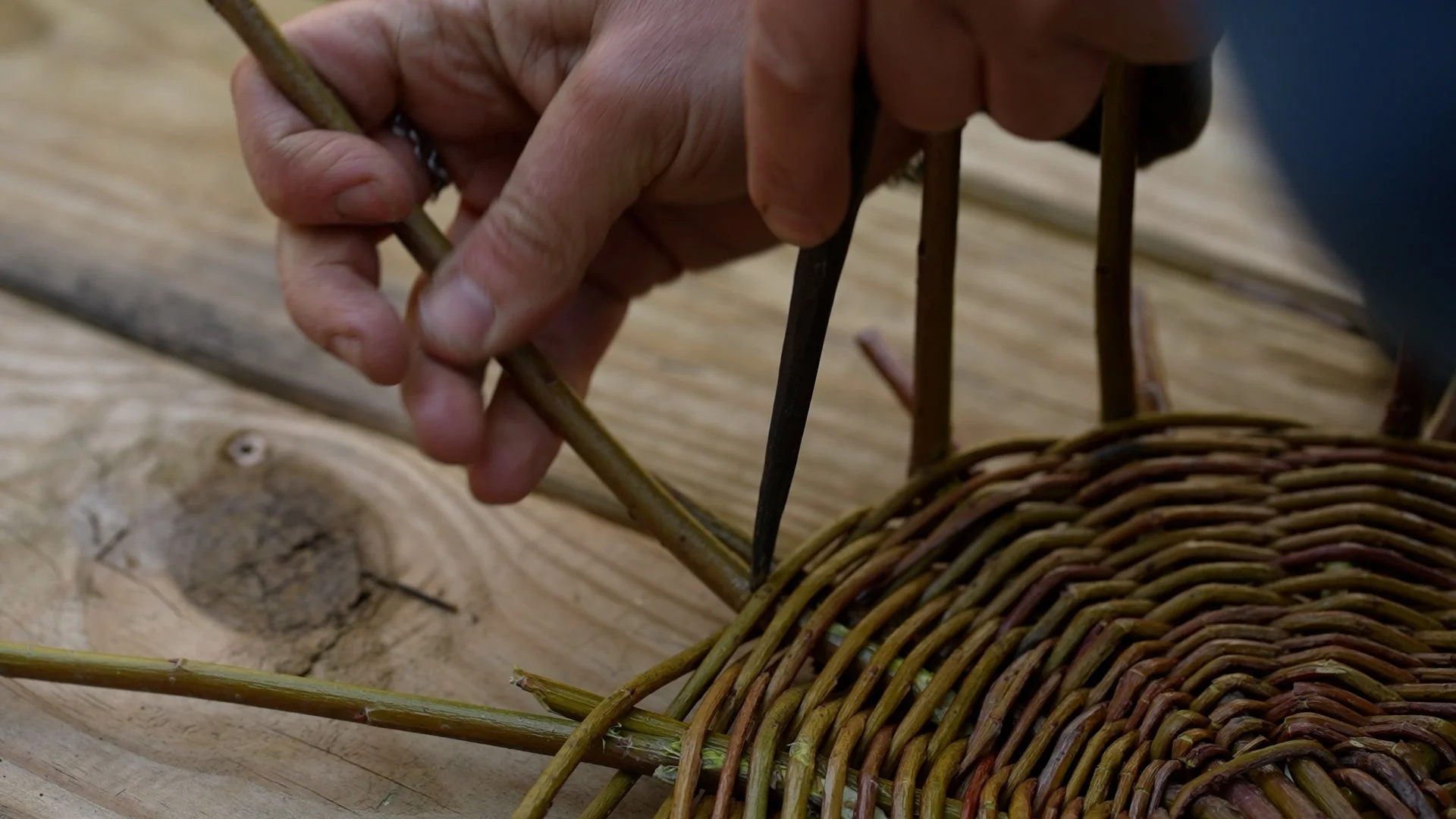
I'm adding in the side spokes. This is my least favorite part of the process. You have to poke them in alongside the base spokes, and they can be hard to get in far enough. It becomes this really unwieldy thing to deal with.
There's no rhythm to it like there is in the other parts of the process, but it's necessary.
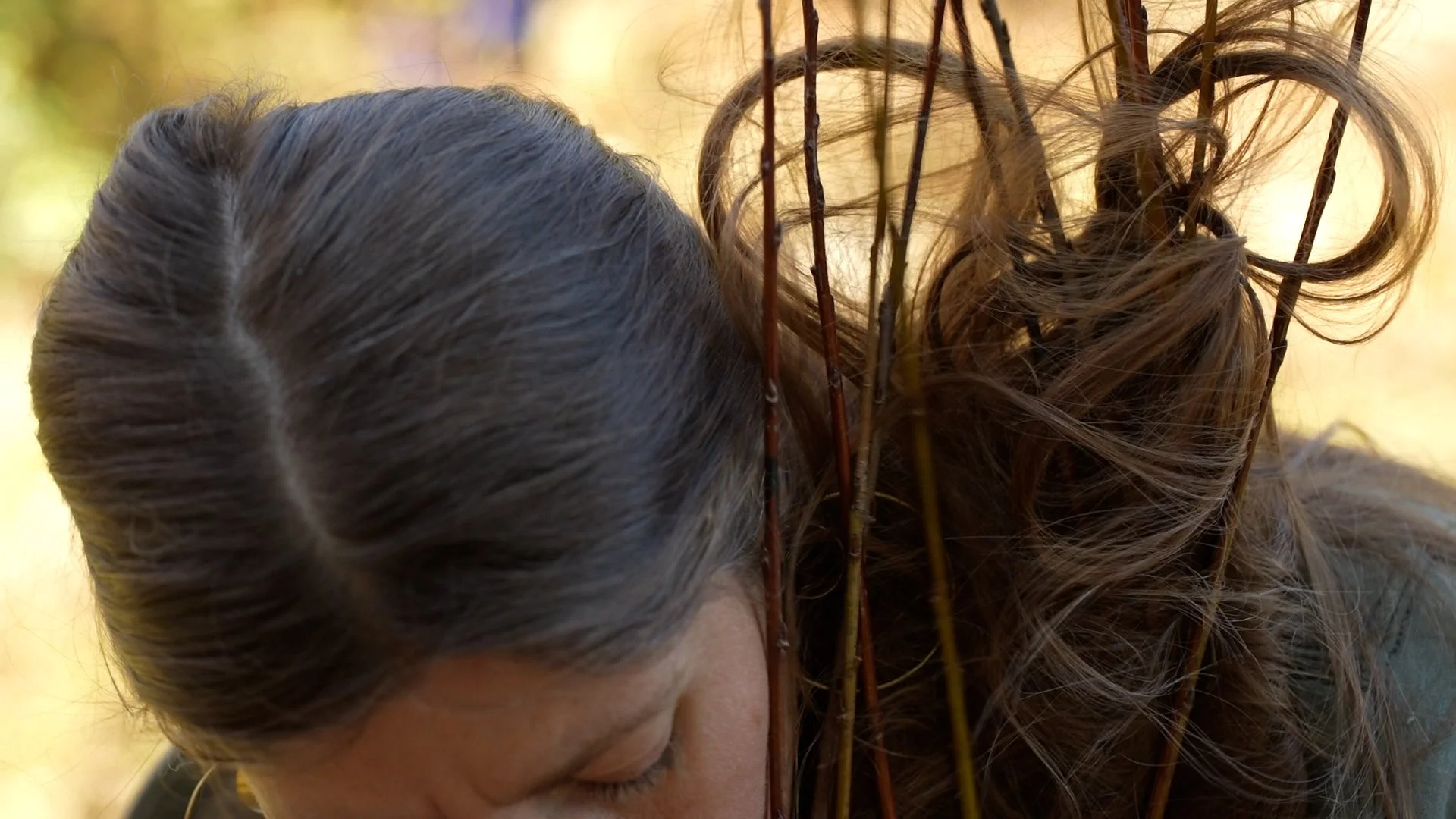
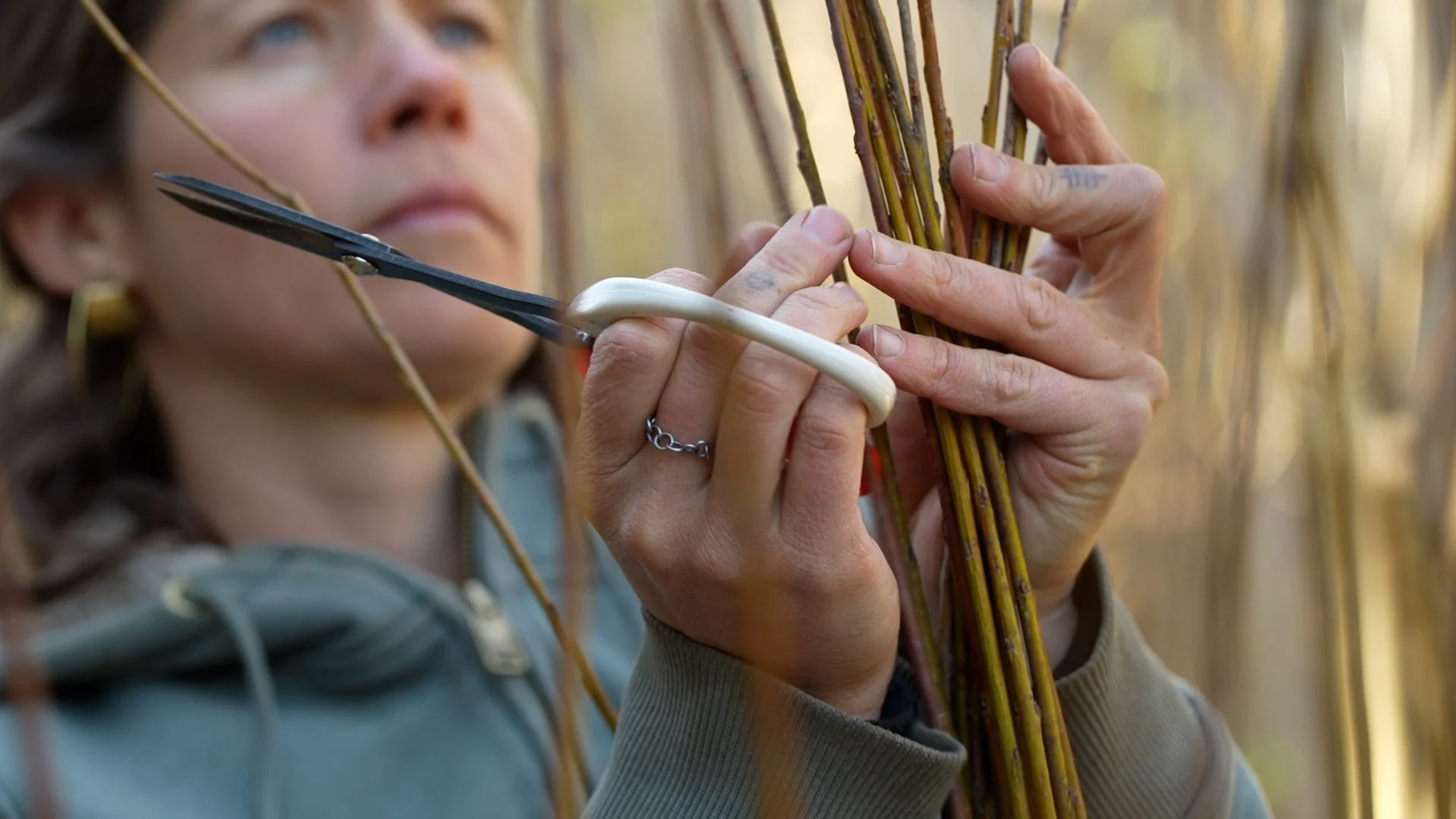
The English Rand is an asymmetrical weave. It takes advantage of the willow having a thick and a thin end. The thick butt ends will follow each other around and make a spiral up the basket.
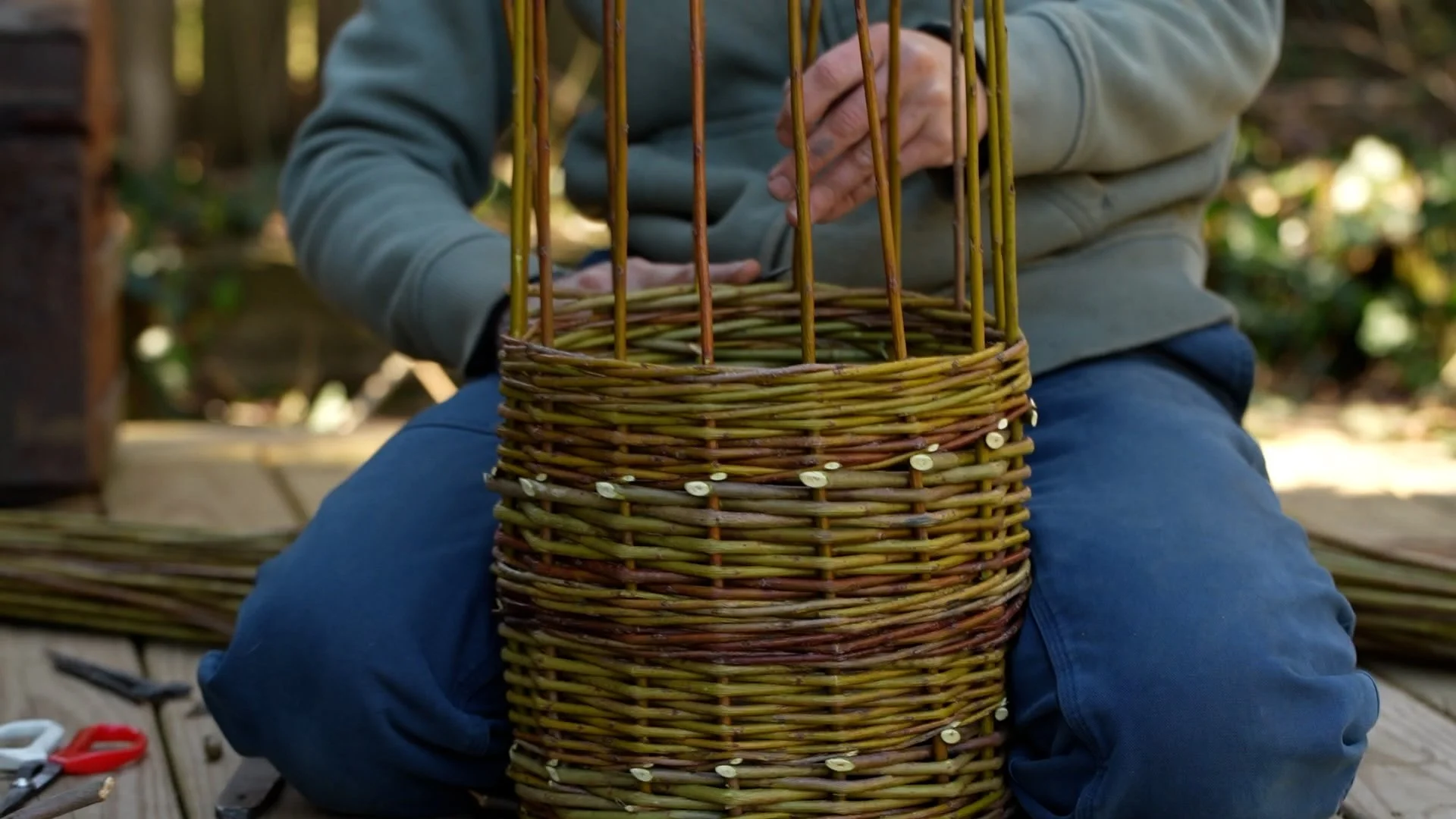
Halfway through, it'll be really uneven because all the thick ones will be on one side, but then it'll even out by the end.
This weave is cool because it's very specifically created to utilize the natural form of the material.
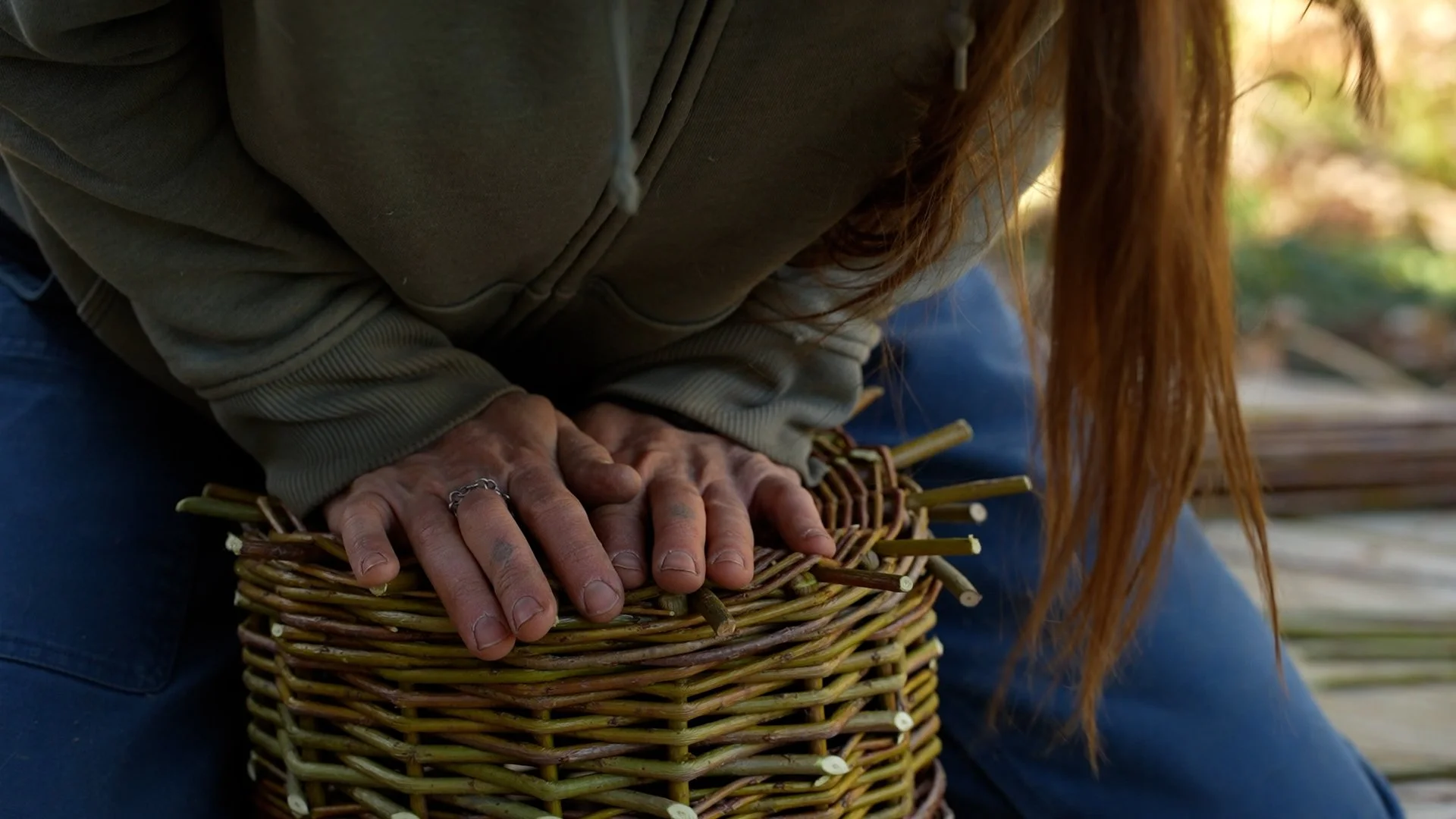
Every culture has some kind of basket weaving. It's always been something that has connected people to the place where they live and to the plants that grow where they live.
It's pretty near the front of my mind when I'm weaving: I'm thinking about history and my craft ancestors who did this work before. And also, I think about the material itself and the character of the plant and its specific history of having grown somewhere.
It's always enabled these relationships and been this object that signifies knowledge of place and plant communities. There's an Ursula Le Guin quote about how baskets were the first tool before people had weapons.
As we evolved, we needed to be able to store and carry, and basketry was that technology that was developed. So much of it hasn't changed for that whole history.
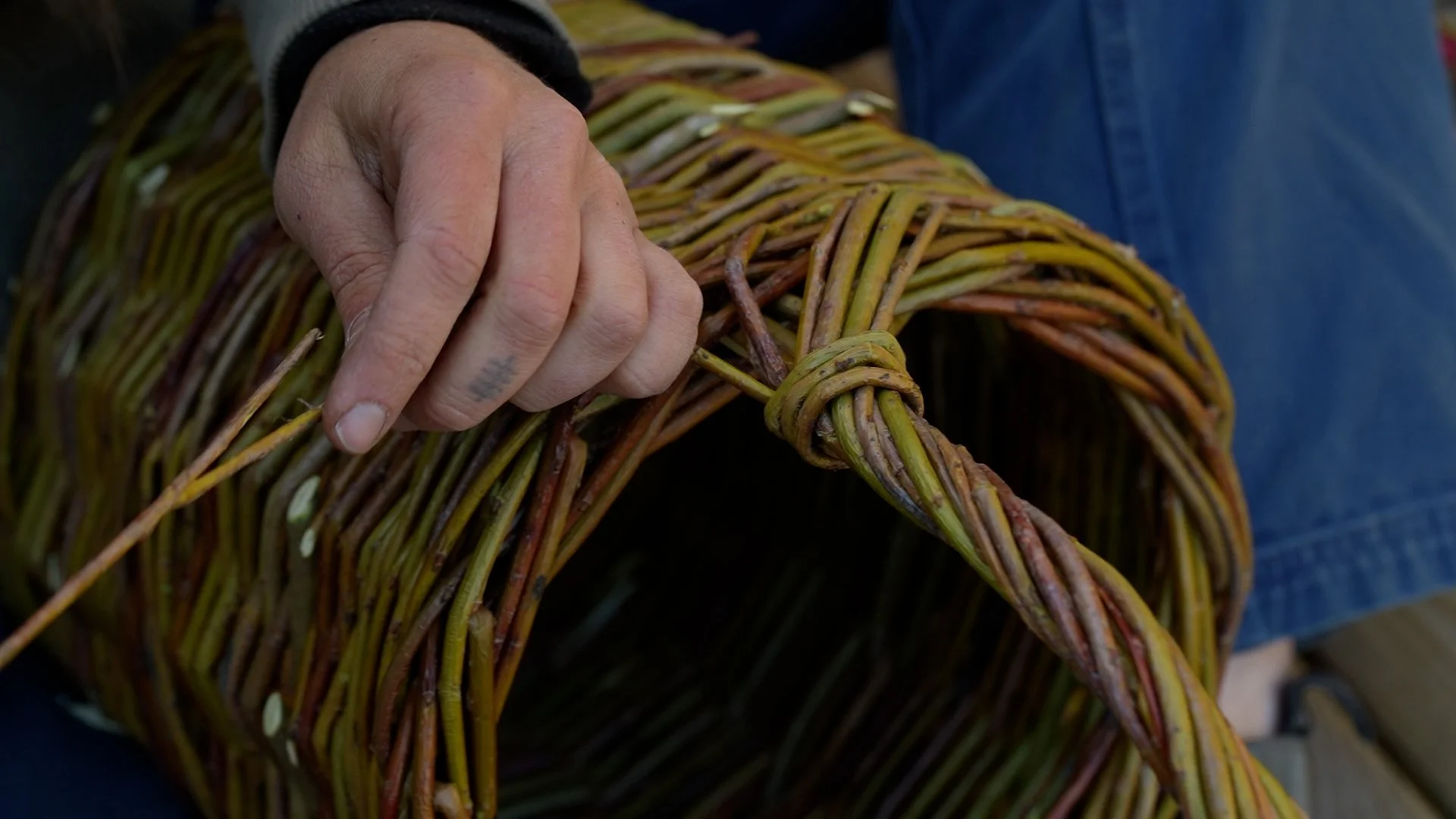
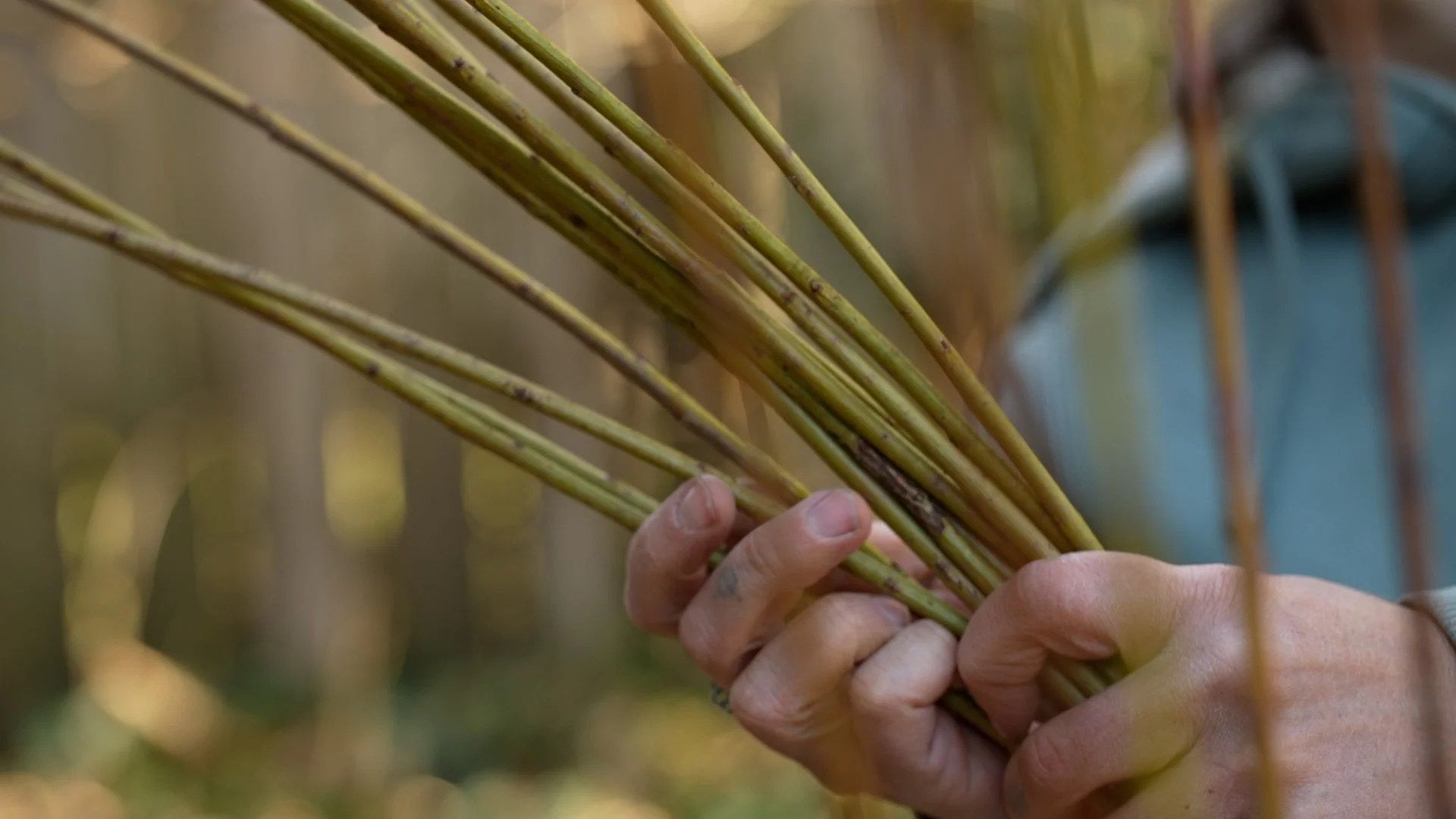
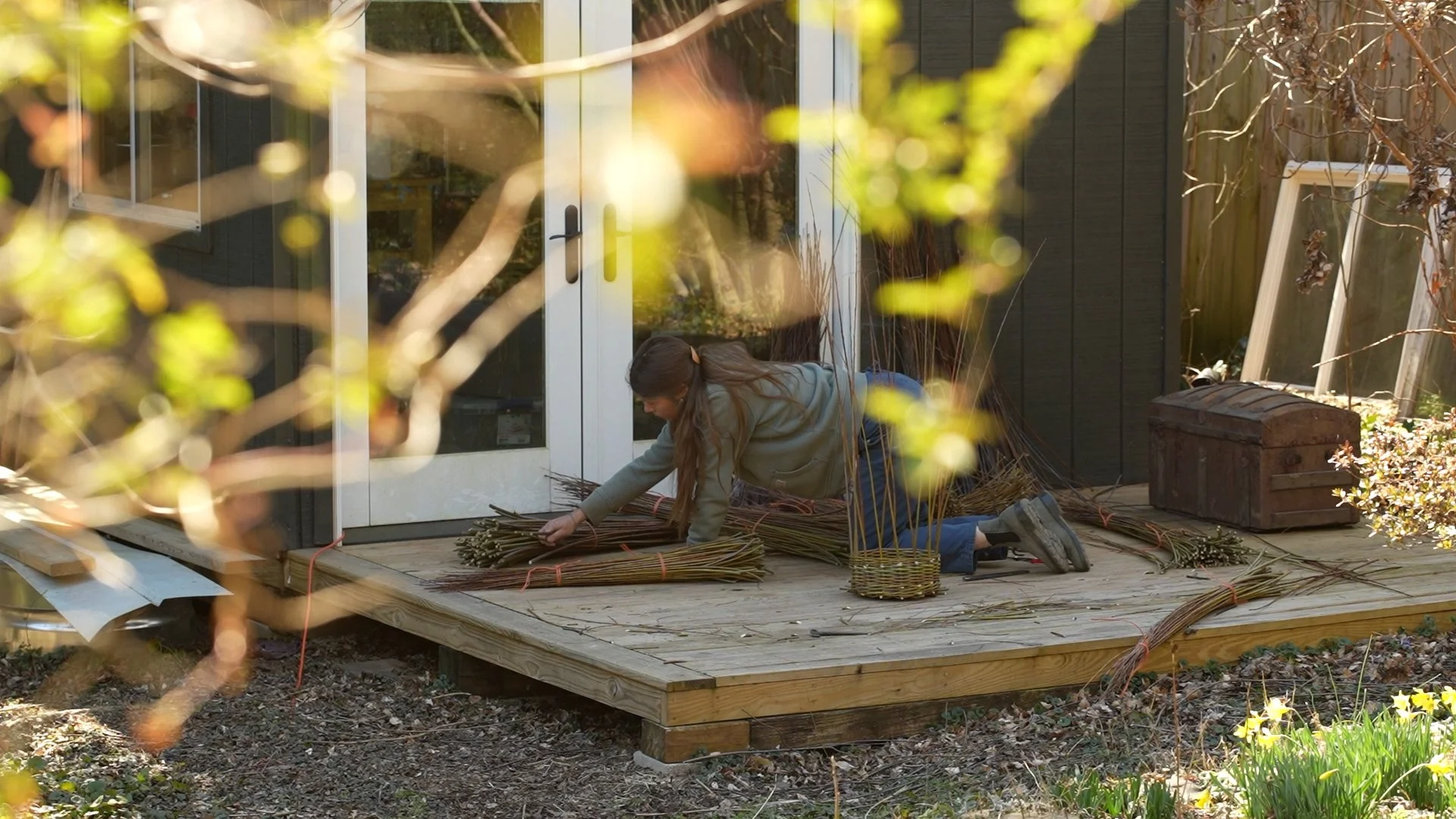
The ones I'm weaving with are the Dickey Meadows, and then the uprights are Polish Purple.
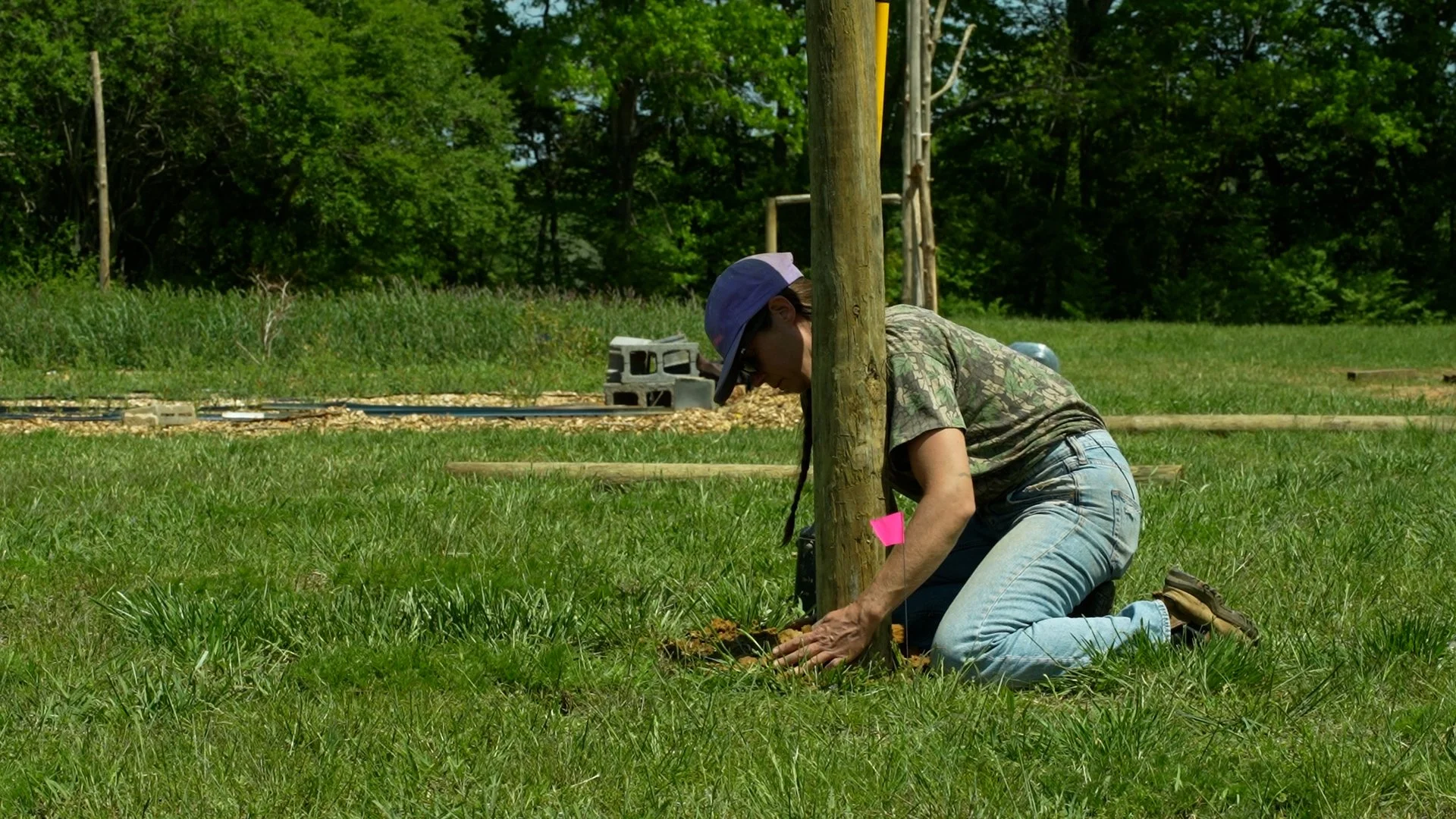
I planted
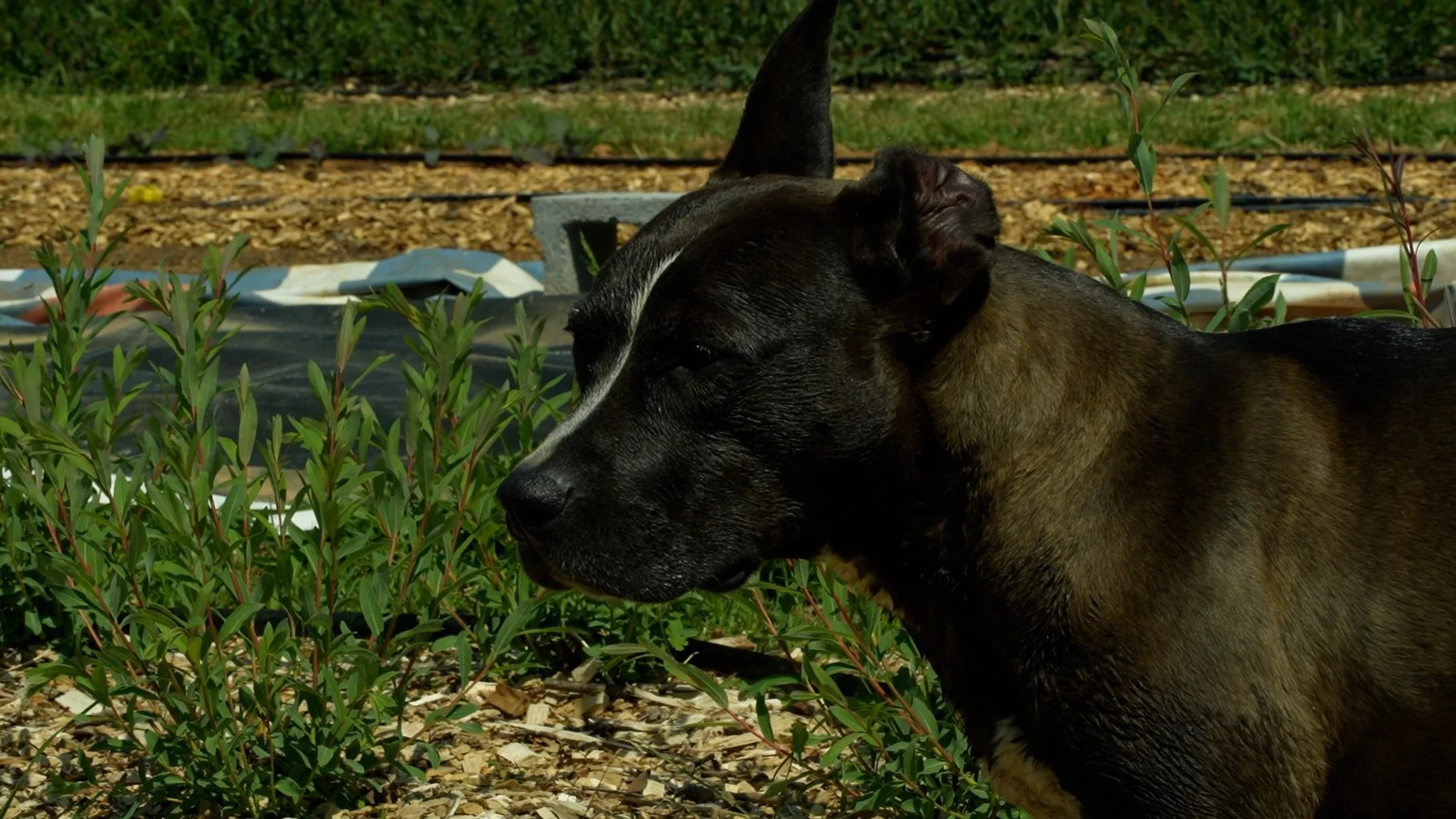
I think 700 plants the first year, Out of all those 700, I lost 2 or 3. So they're really happy. There's a killdeer nesting right in the middle of the beds.
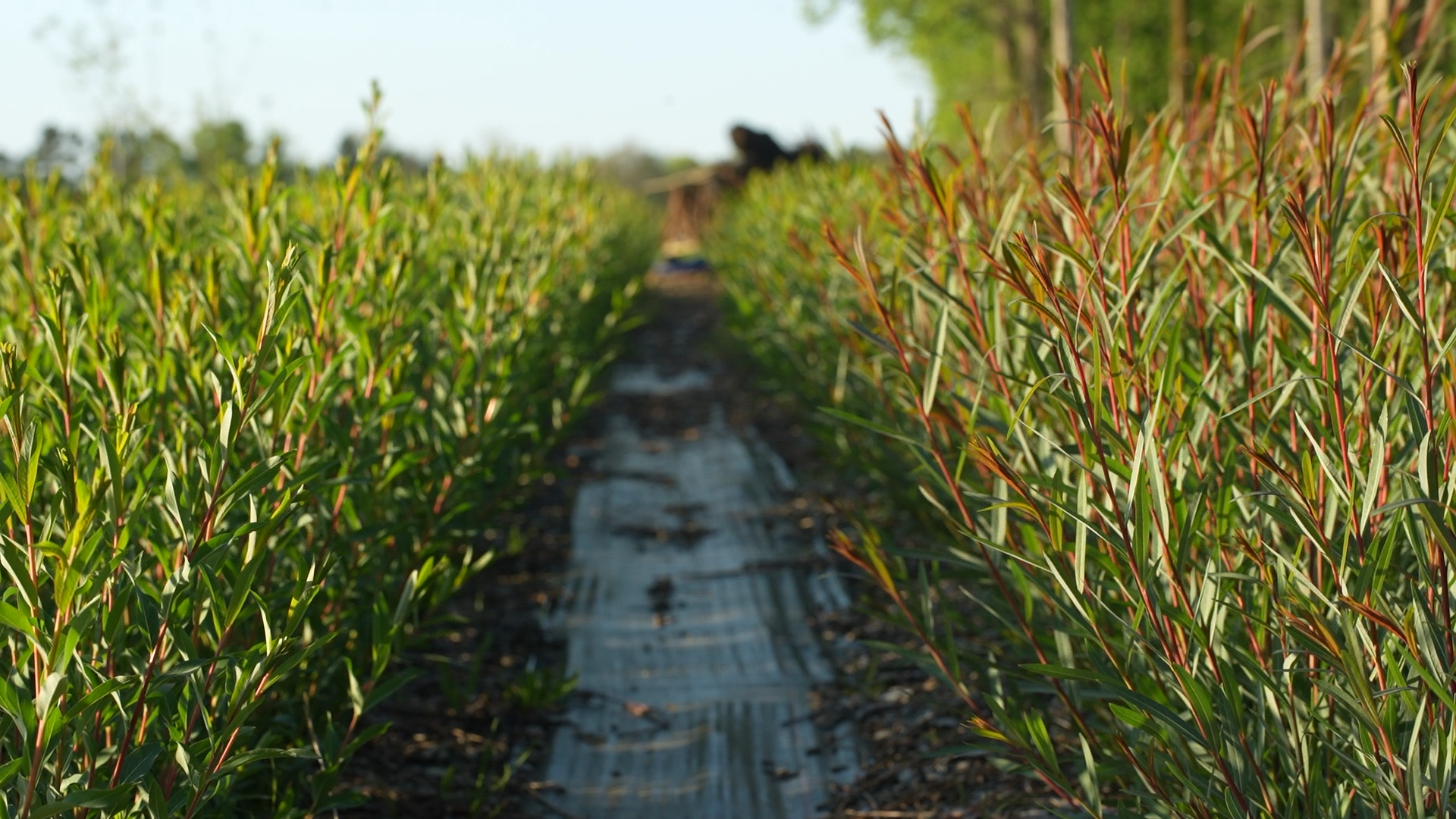
Mark Hendry is the guy who I got the willow from. He danced professionally in New York and then moved to the mountains of North Georgia to become a broom maker and then basket weaver. He’s a really kind and exuberant person.
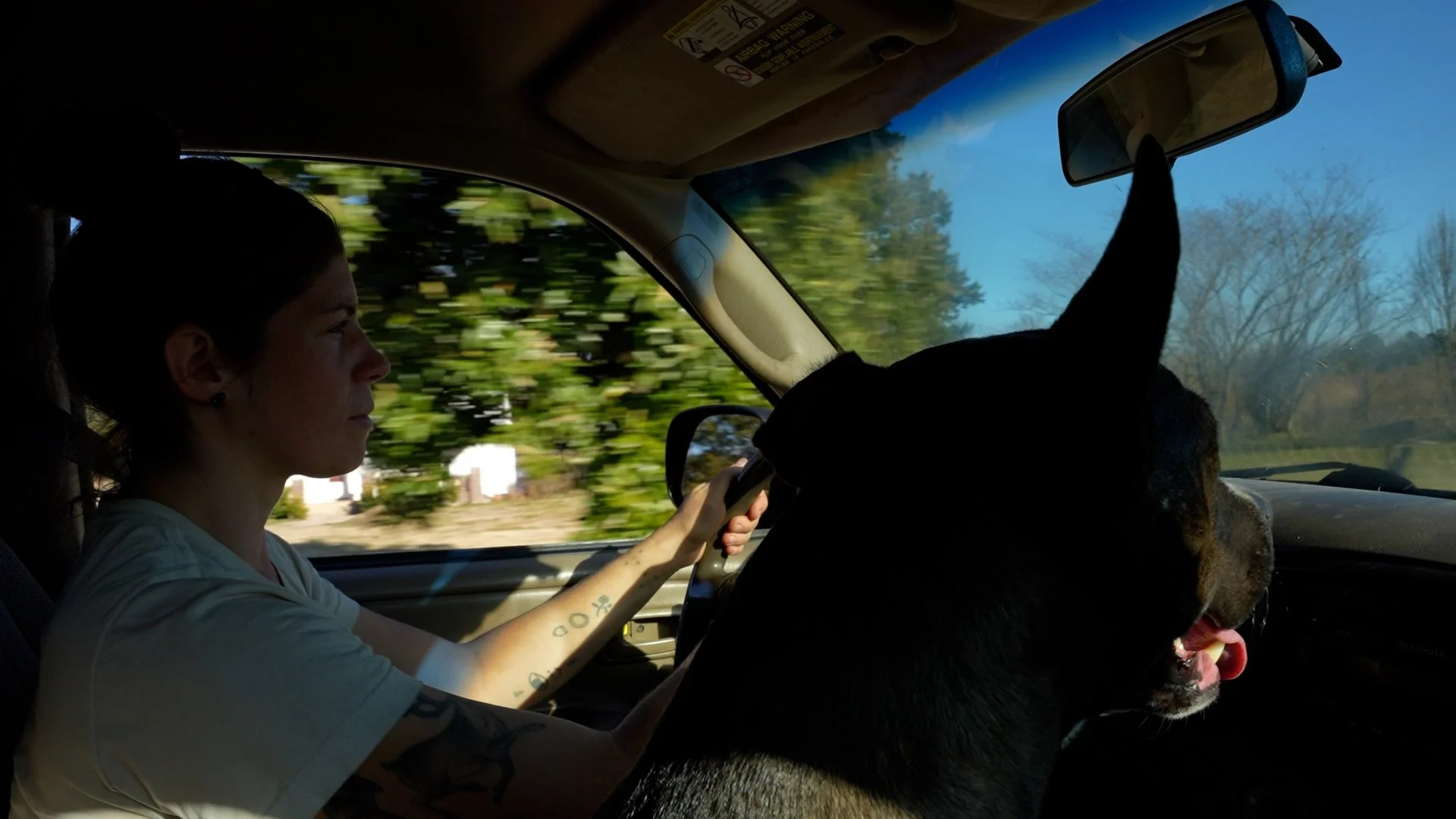
I had been wanting to get my hands on some willow to weave with, so I was looking to buy willow rods. I got in touch with him and asked if he'd be willing to sell me any willow. He was like actually, we're about to do the harvest, so if you want, you can come down and choose what you want. So I drove all the way down to his little farm in North Georgia.
And then realized that we had had a slightly different understanding of what was happening. He thought that I wanted willow cuttings to plant, and I thought I was buying willow to weave with. So I was like, well, I guess I'll just go ahead and take the cuttings.
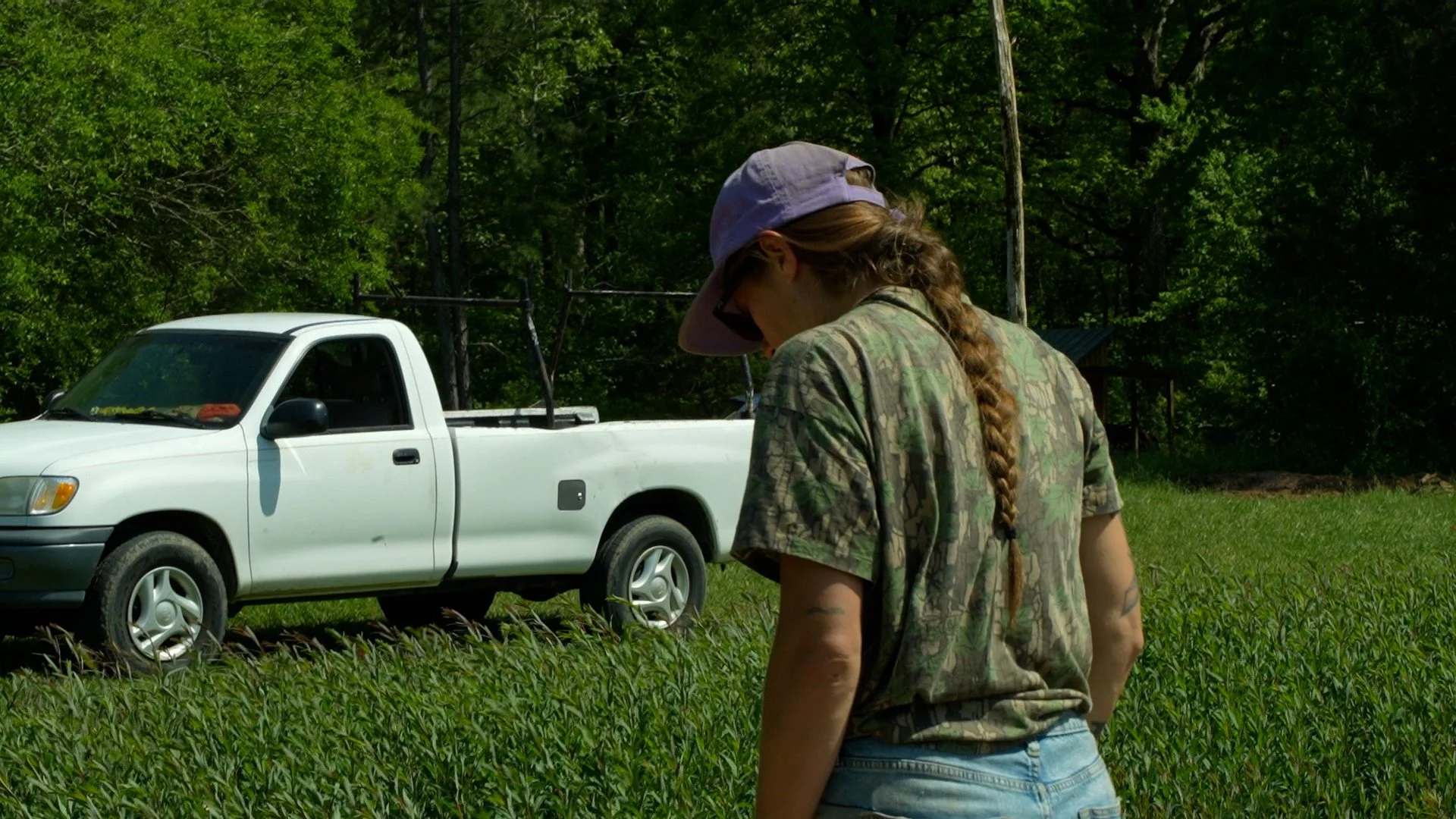
To plant them
you stick them in the ground about six inches deep and make sure that they're pointing upright, and they should grow.
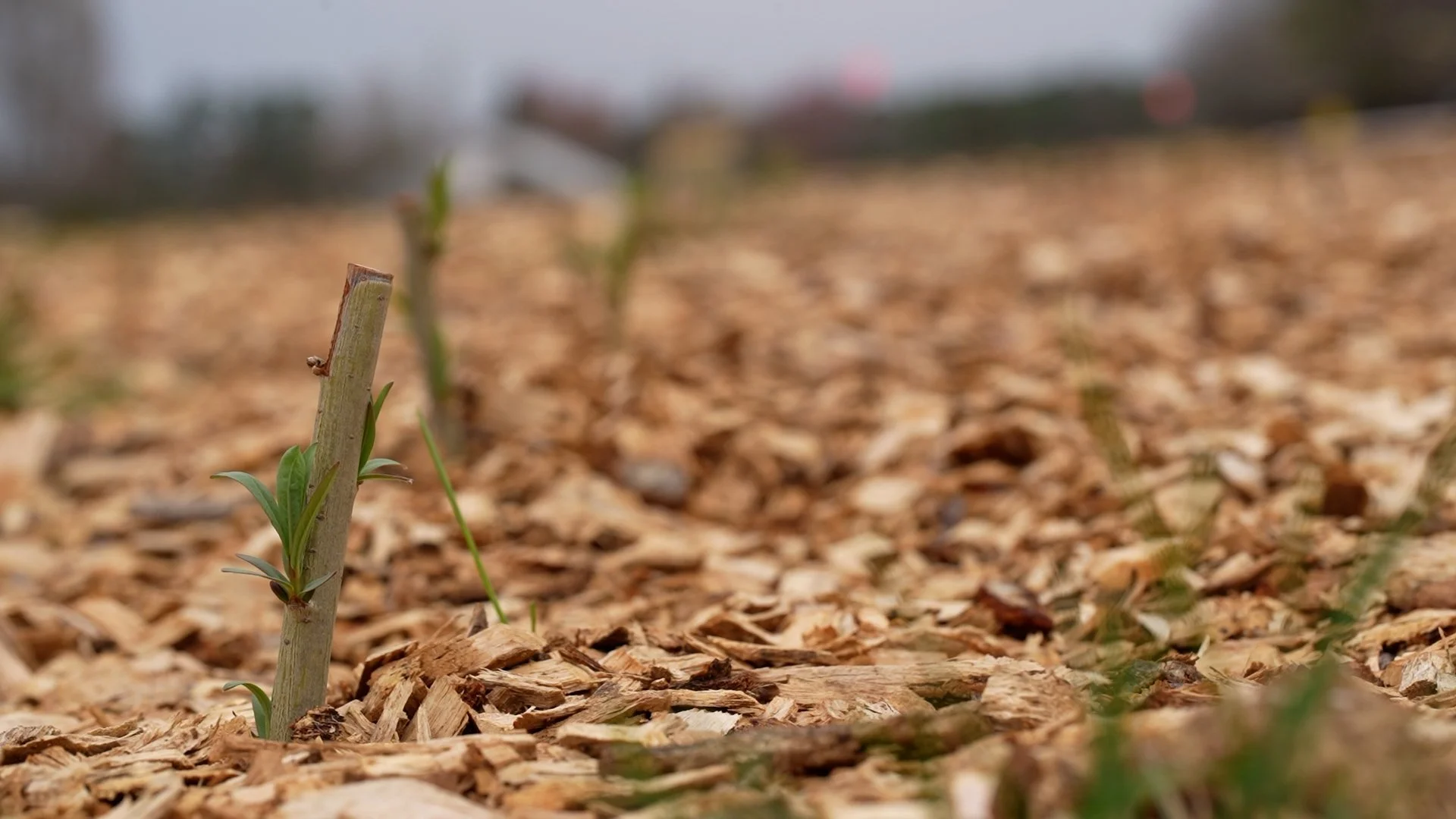
You don't need to put any rooting agent or anything on it. Willow tannins are sometimes used as rooting agent for other plants because they want to root so much.
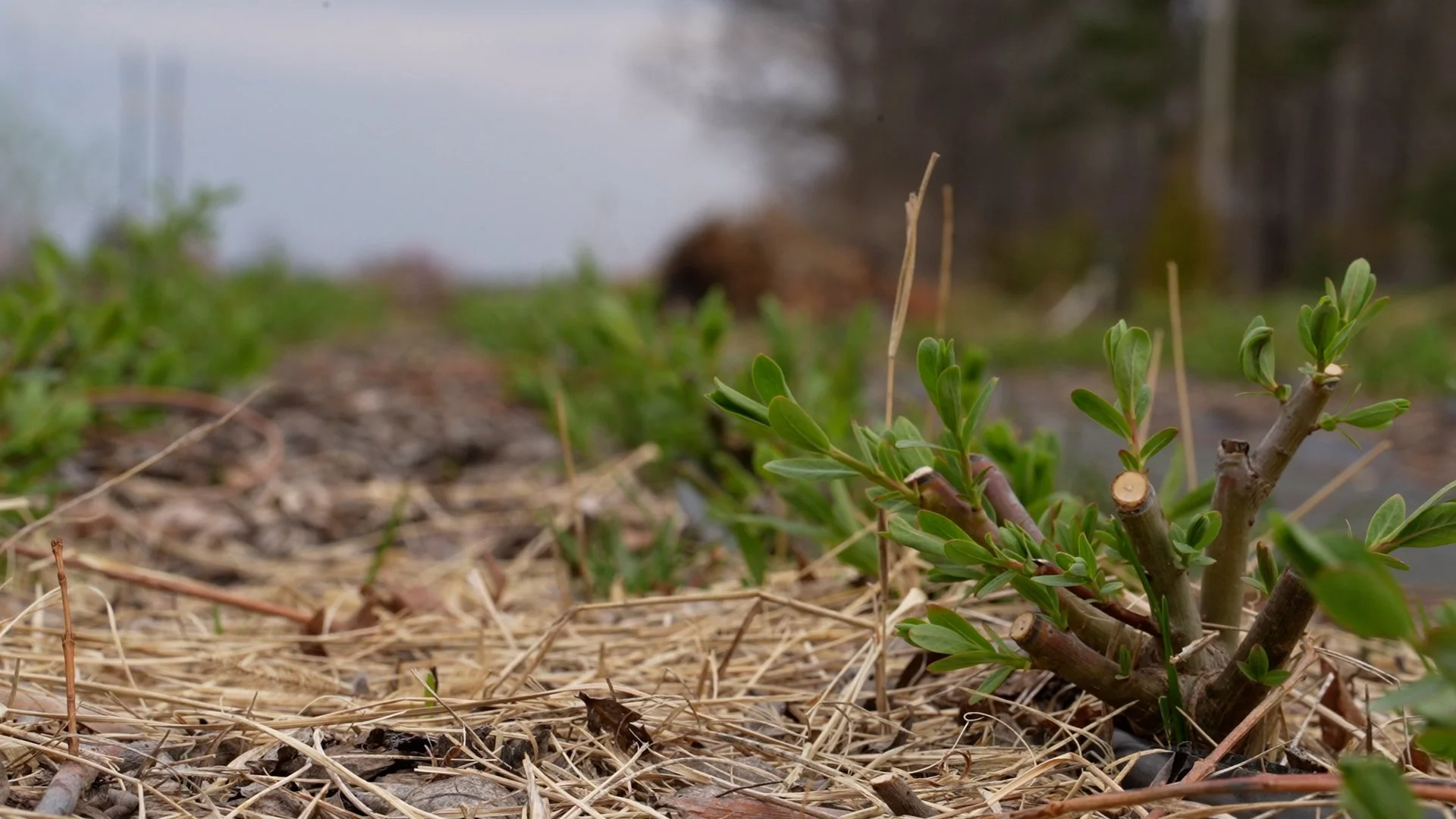
Coppicing is cutting the rods of the willow all the way down to the ground.
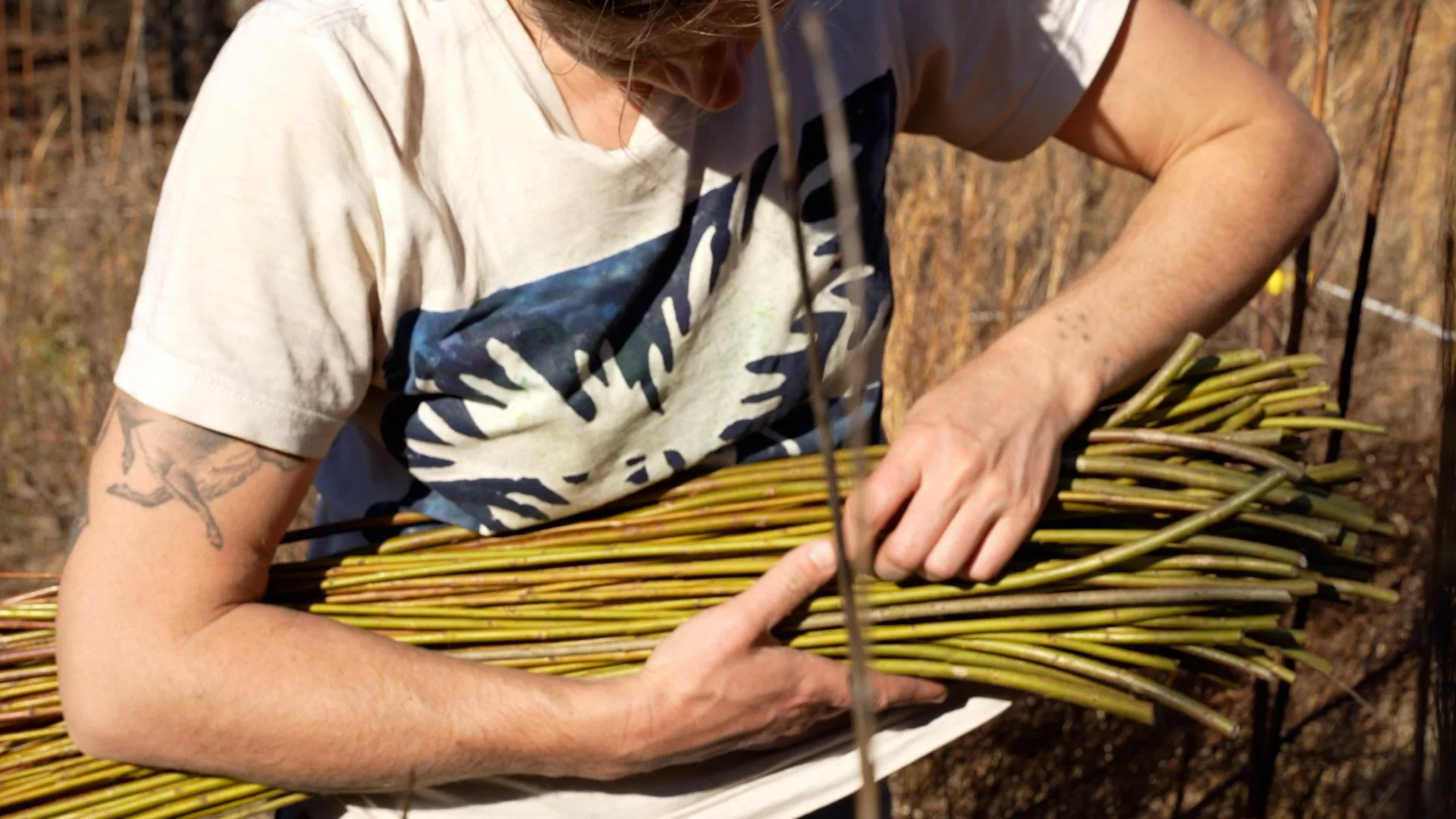
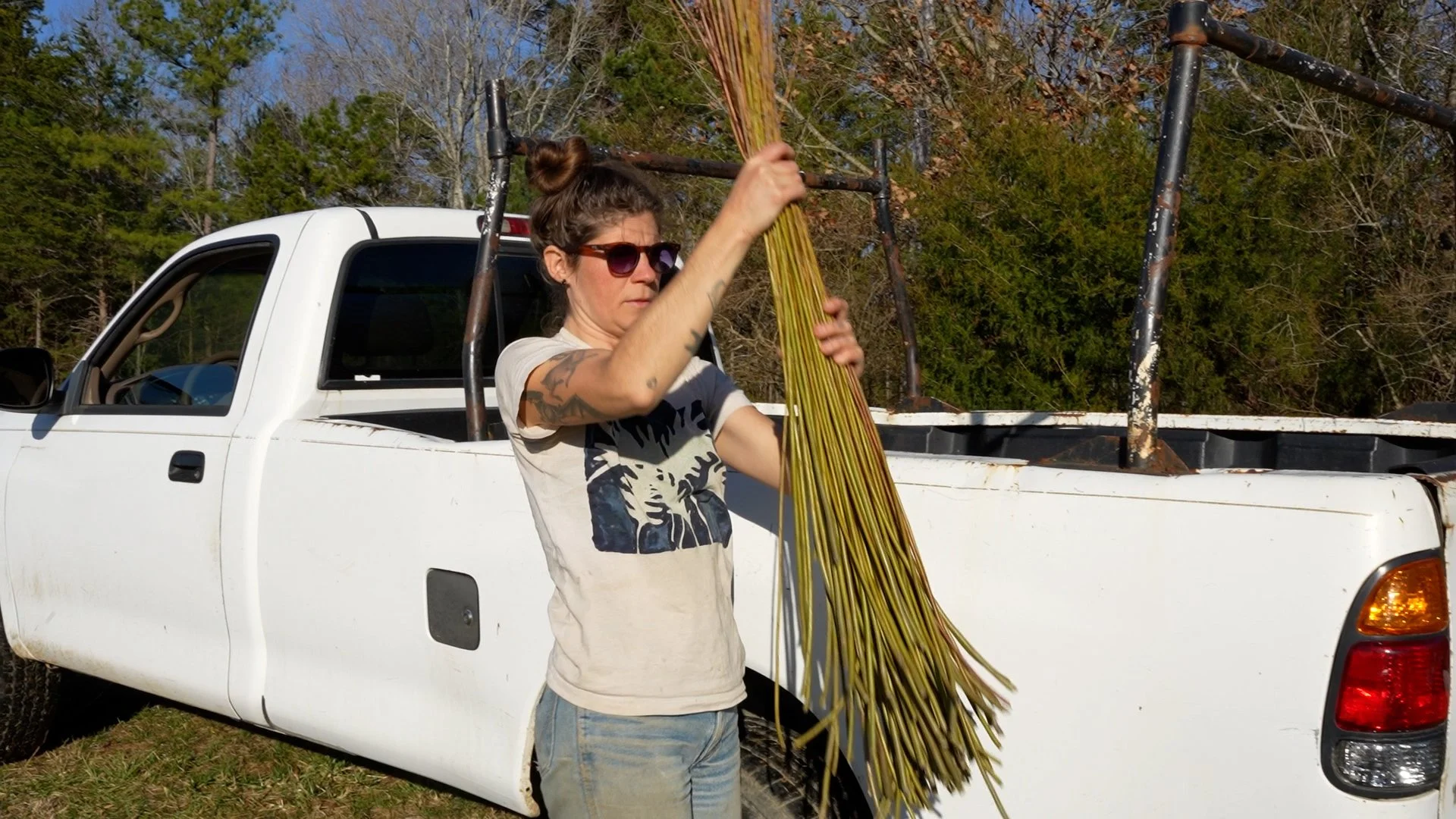
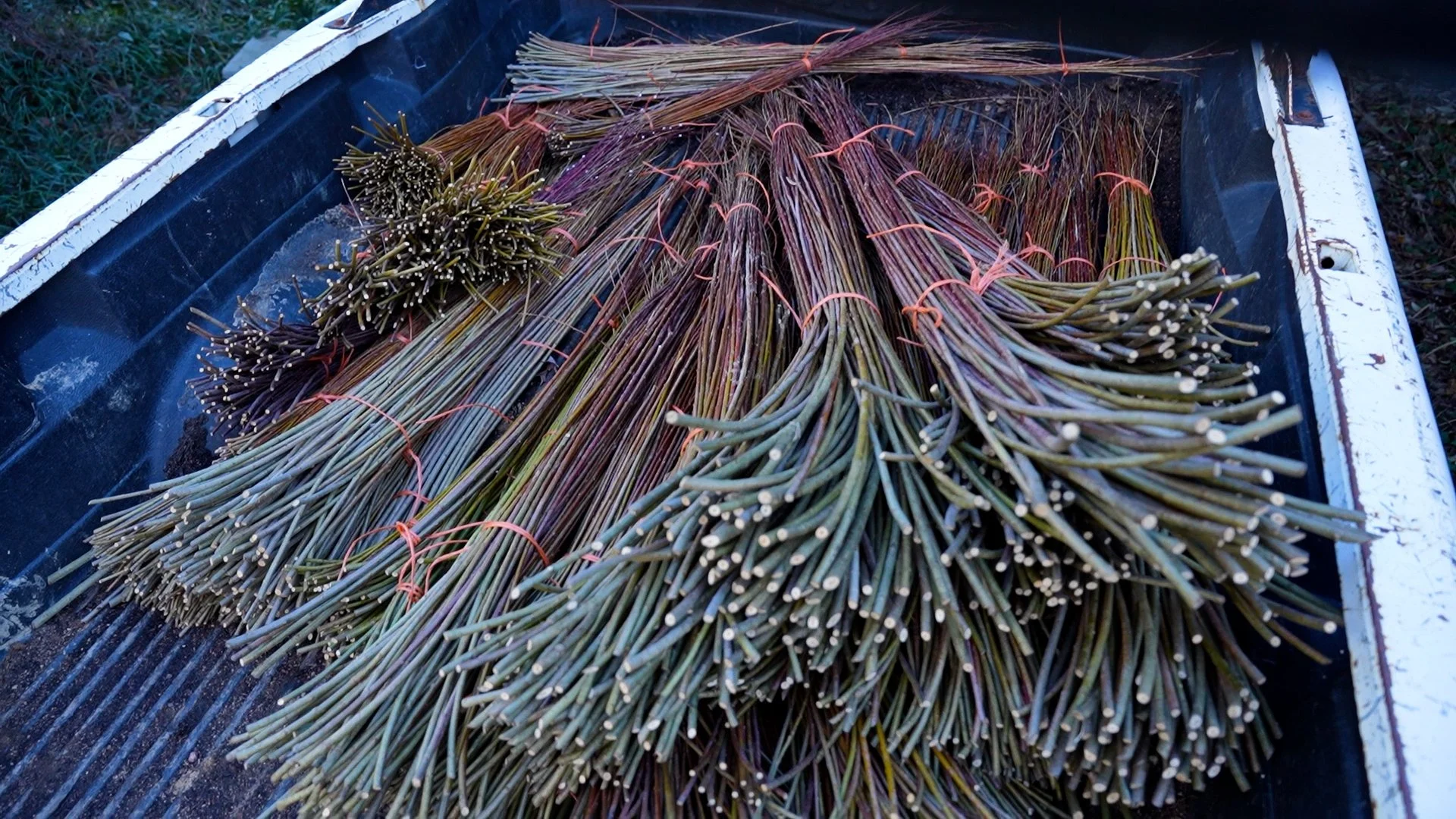
They'll send out new shoots the following spring and begin to make a crown at the base of the plant.
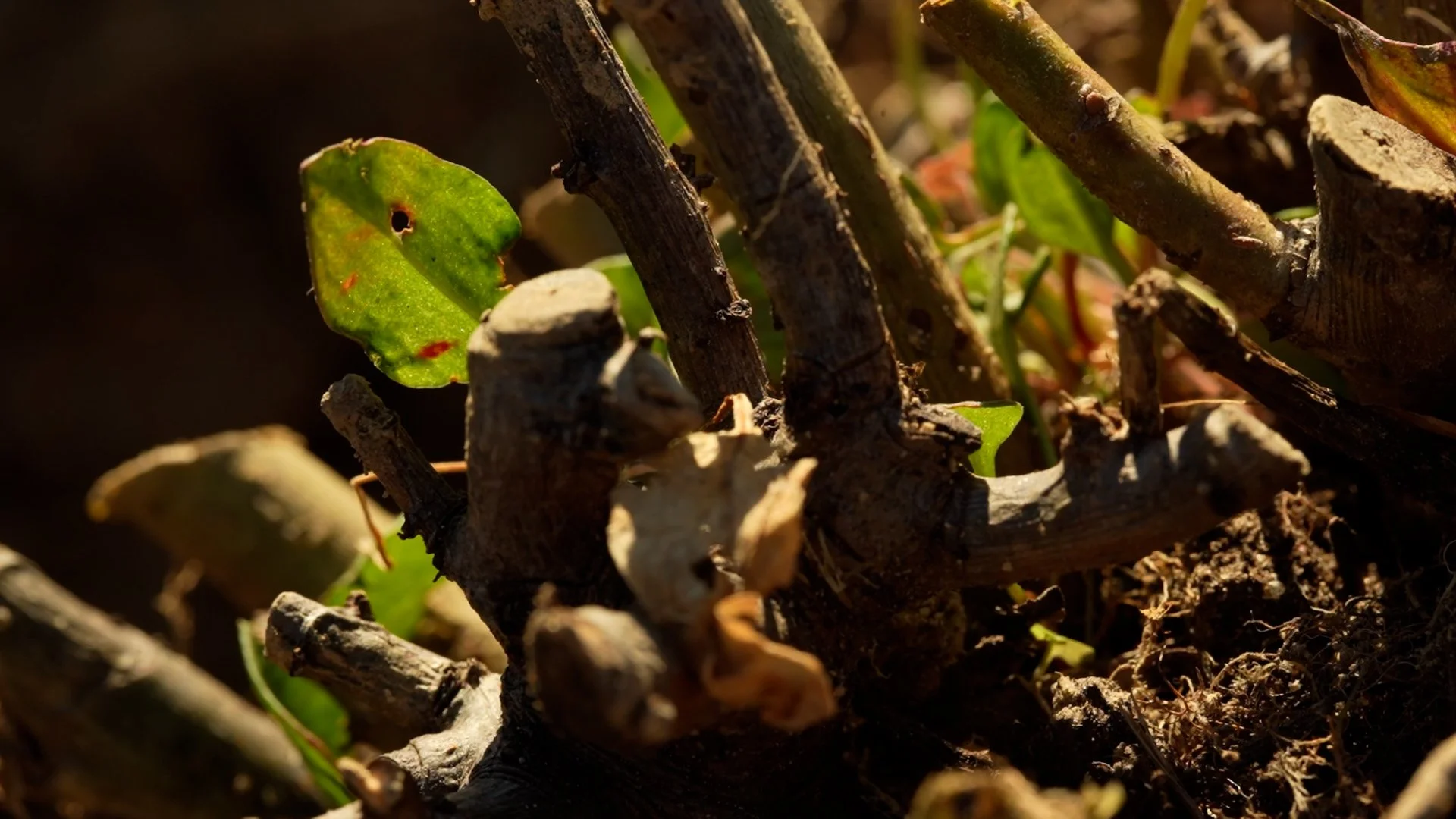
That helps to strengthen the root system because the roots get more sturdy. The crown gets wider as it sends out more shoots every year. It keeps the plant regenerating, sending out long, supple rods, which is what we want.
It is kind of magical to be able to completely trim the plant down to the ground and then have it come back with even more vigor the next year.
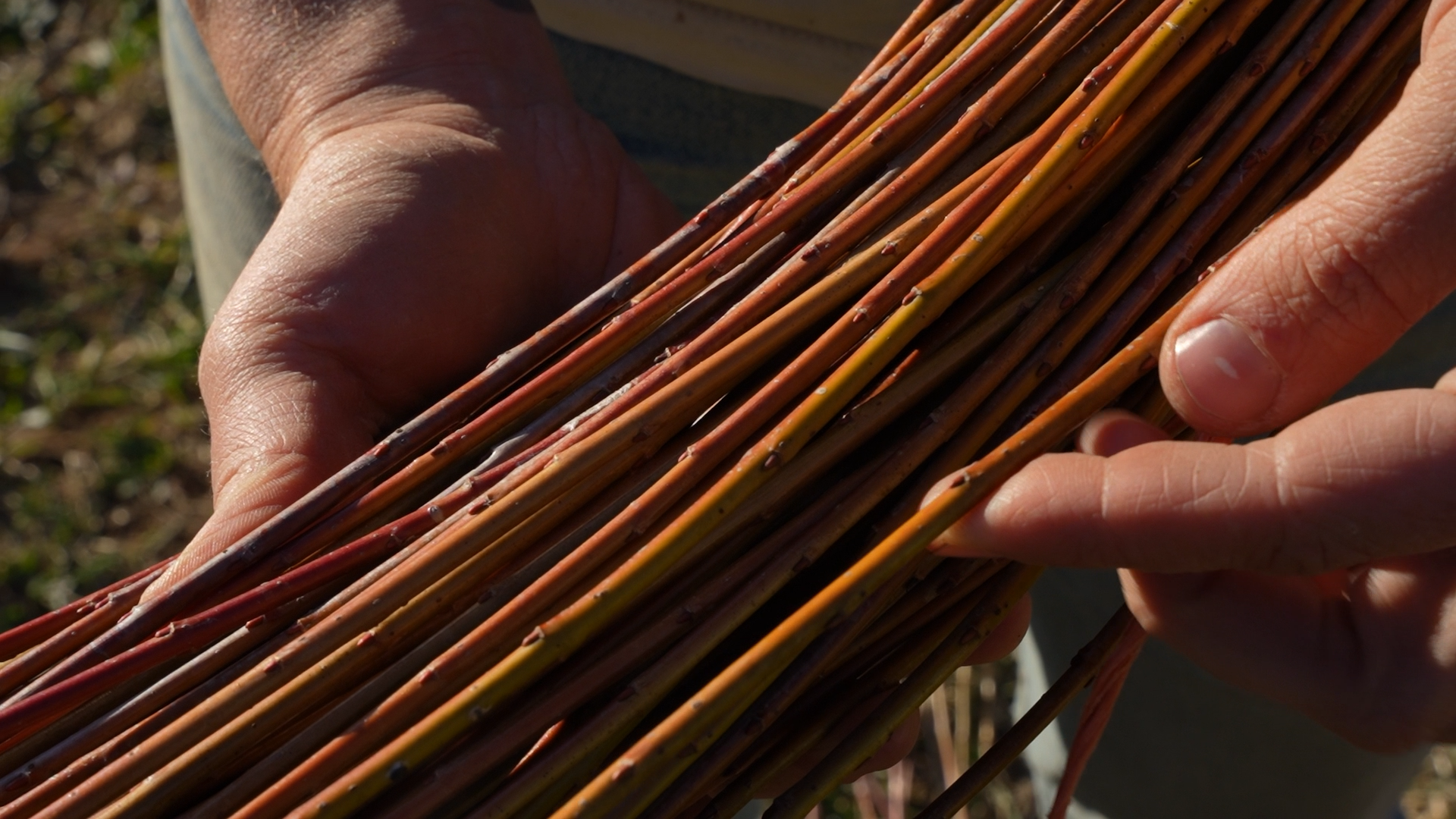
You want them to be
as long and slender as possible for weaving baskets.
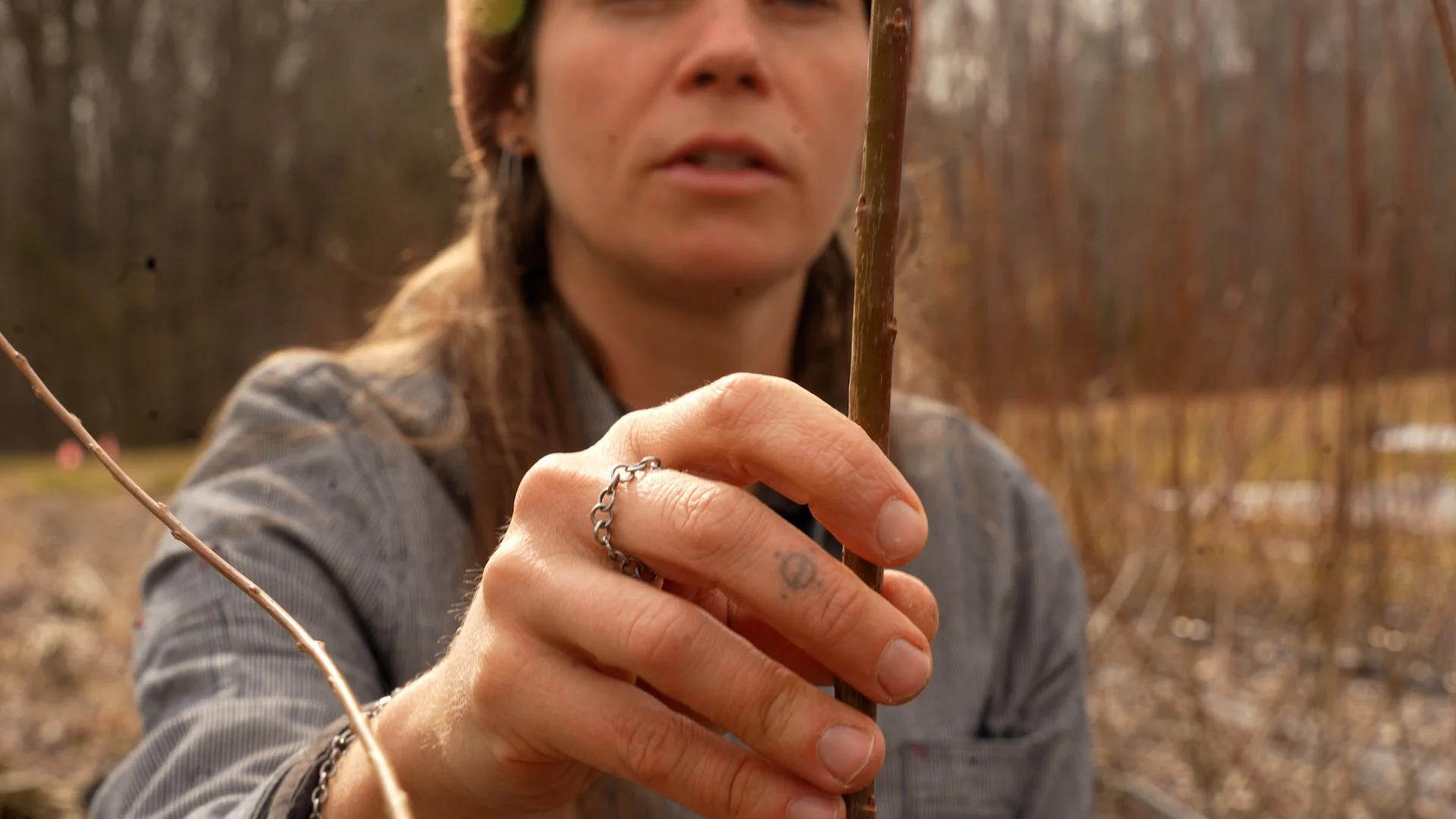
Something like this
is really thick. This would be mostly useful for making structures or boats.
You could also use this for furniture or a fish trap or something big and structural.
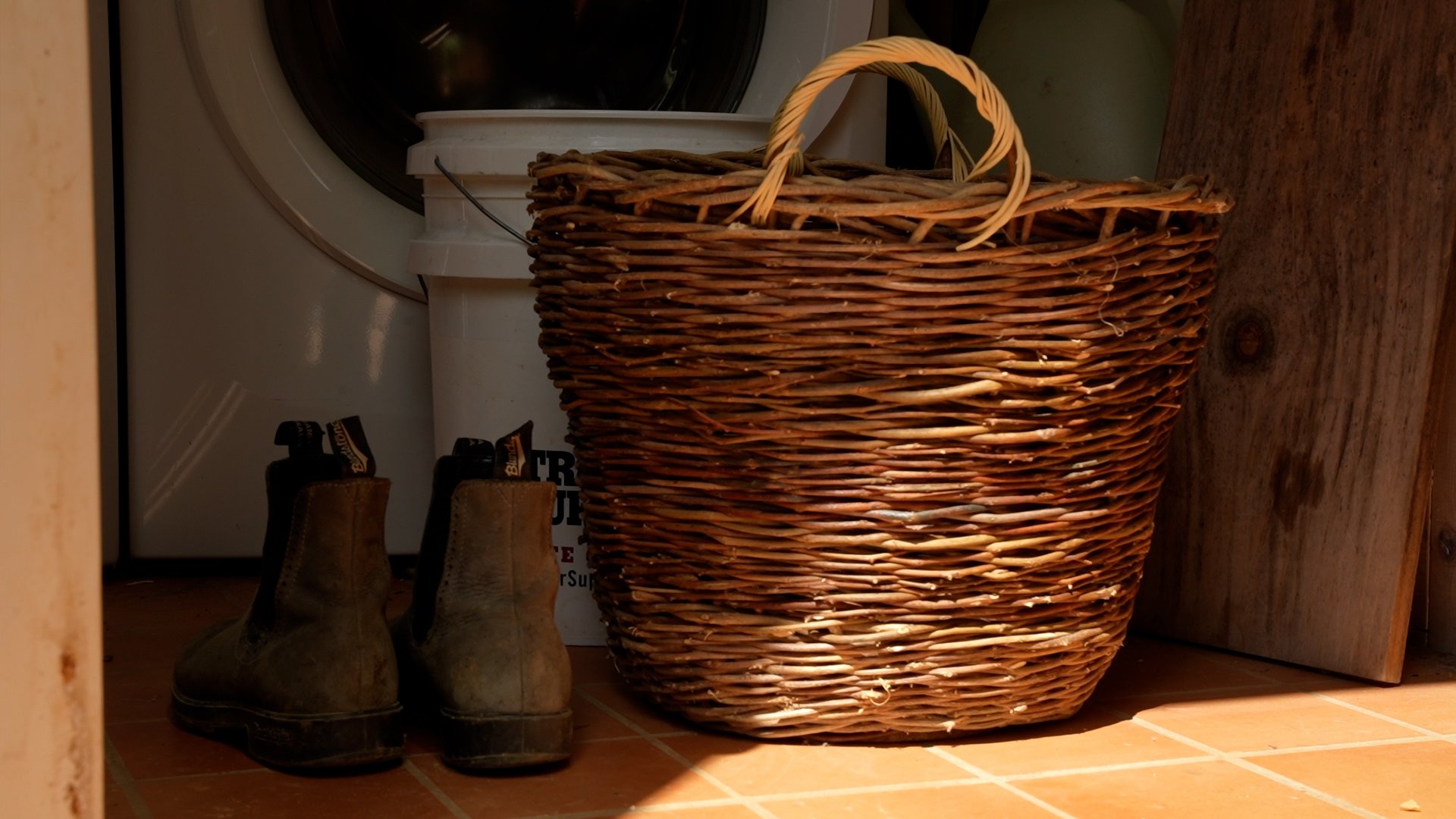
I've mostly made general gathering baskets.
Things used to be extremely specialized, as in a fishing creel or a laundry basket; horse carts, boats, and caskets. And even more specialized: there are different styles of willow creels for herring as opposed to for salmon.
I am not that specialized because our world isn't really like that anymore. So generally they're just for holding and gathering.
A lot of people who weave with it in places where it grows all over still just weave with what's in the marsh.
Foraging is different than cultivation in the way that you're assessing what's already growing as opposed to controlling the environment to get you to get the product that you want.
For a while, I was harvesting cattails in front of the ABC store on Highway 70 in Hillsborough. It was my go-to spot because there's a drainage area and they had planted a bunch of wetland plants there.
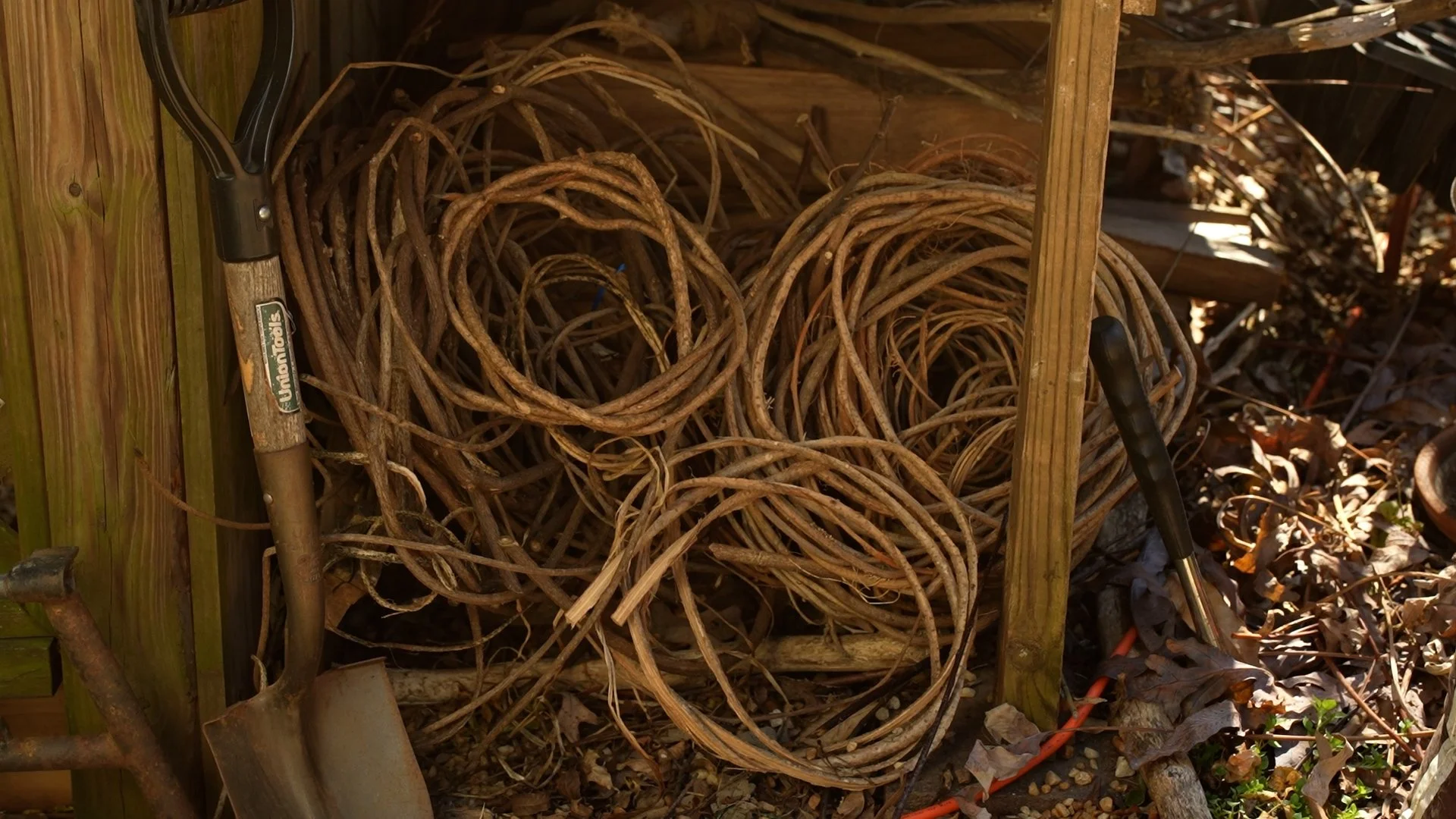
In the vine family, there's kudzu and wisteria, honeysuckle, bittersweet, grape vine, smilax, and ivy. Most vines will work, although some are easier to use than others.
In terms of leafy material, anything like daffodils or daylily or irises, crocus, turmeric and ginger leaves—anything that has a long somewhat fleshy leaf.
There's the really woody material—things that are growing like rods—like willow and osier and elaeagnus.
Then there's tree material. You can harvest the bark or the wood of black ash, white oak, hickory, poplar, and smooth bark things like mimosa and fig.
I’ve worked with hemlock inner bark; a lot of inner bark you can harvest and work with.
And then juncus rushes, cattails, and bulrushes.
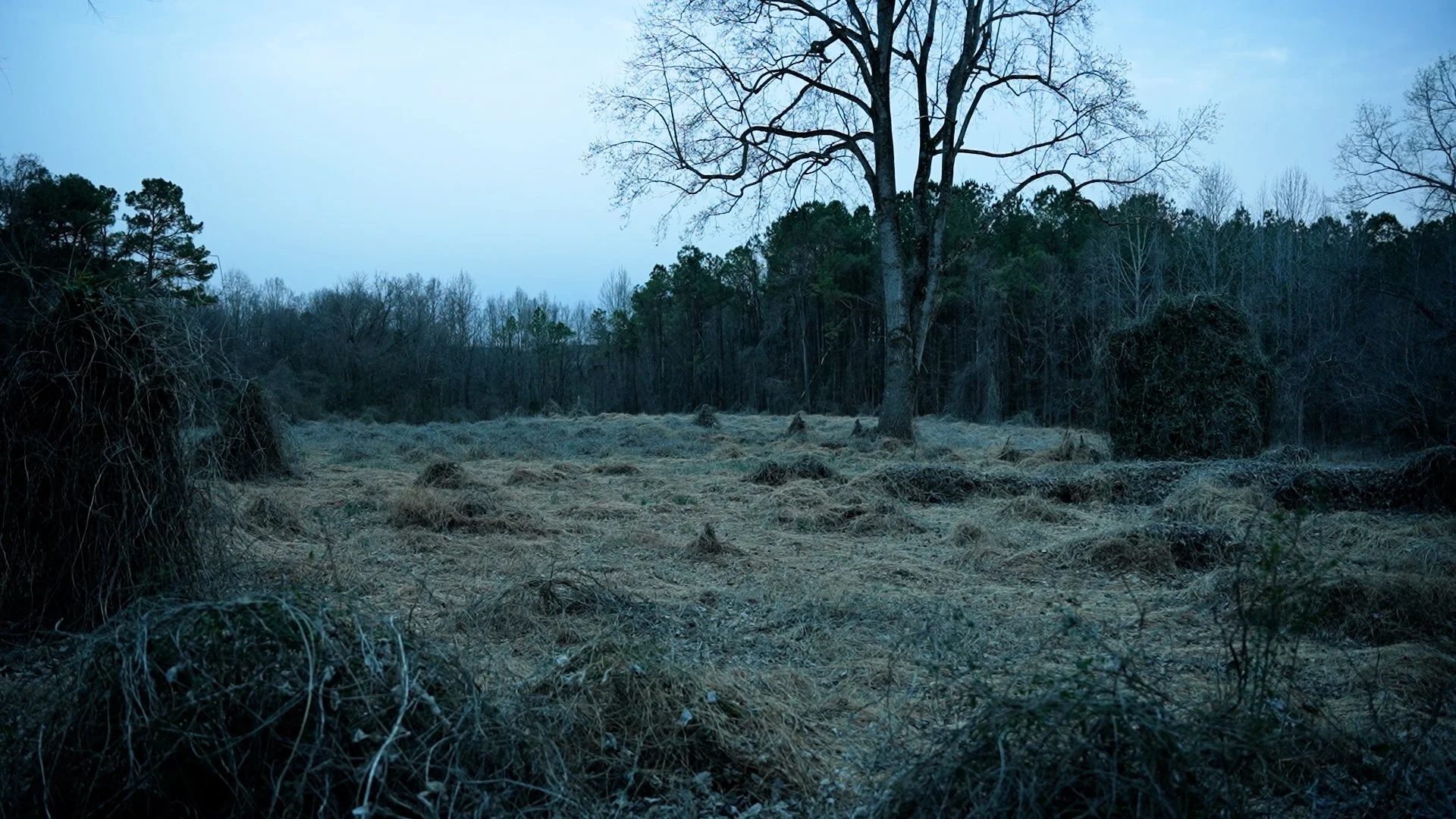
Our infrastructure keeps us from exploring those areas because so often they are not easy or sometimes dangerous to get to because of cars.
We don't have a lot of walking culture in areas where there are these industrial sites, and people aren't likely to be kind of passing by those ditches.
Or you have to trespass to get there.
Foraging was such a huge factor in the ability of indigenous people to continue making baskets and traditional objects. The privatization of land took away their access to resources and plants that they had relationships with for forever.
So there's something really fraught in the act of trespassing to acquire materials. There are many reasons why that wouldn't be an option for people, whether it's because of their skin color or immigration status or historical access having been taken away.
I tend to find places that are back from roads because I don't want to deal with someone being upset about trespassing or being aggressive or any of that. A lot of times they spray on the side of the highway. You have to get beyond the spray line and you have to go through it.
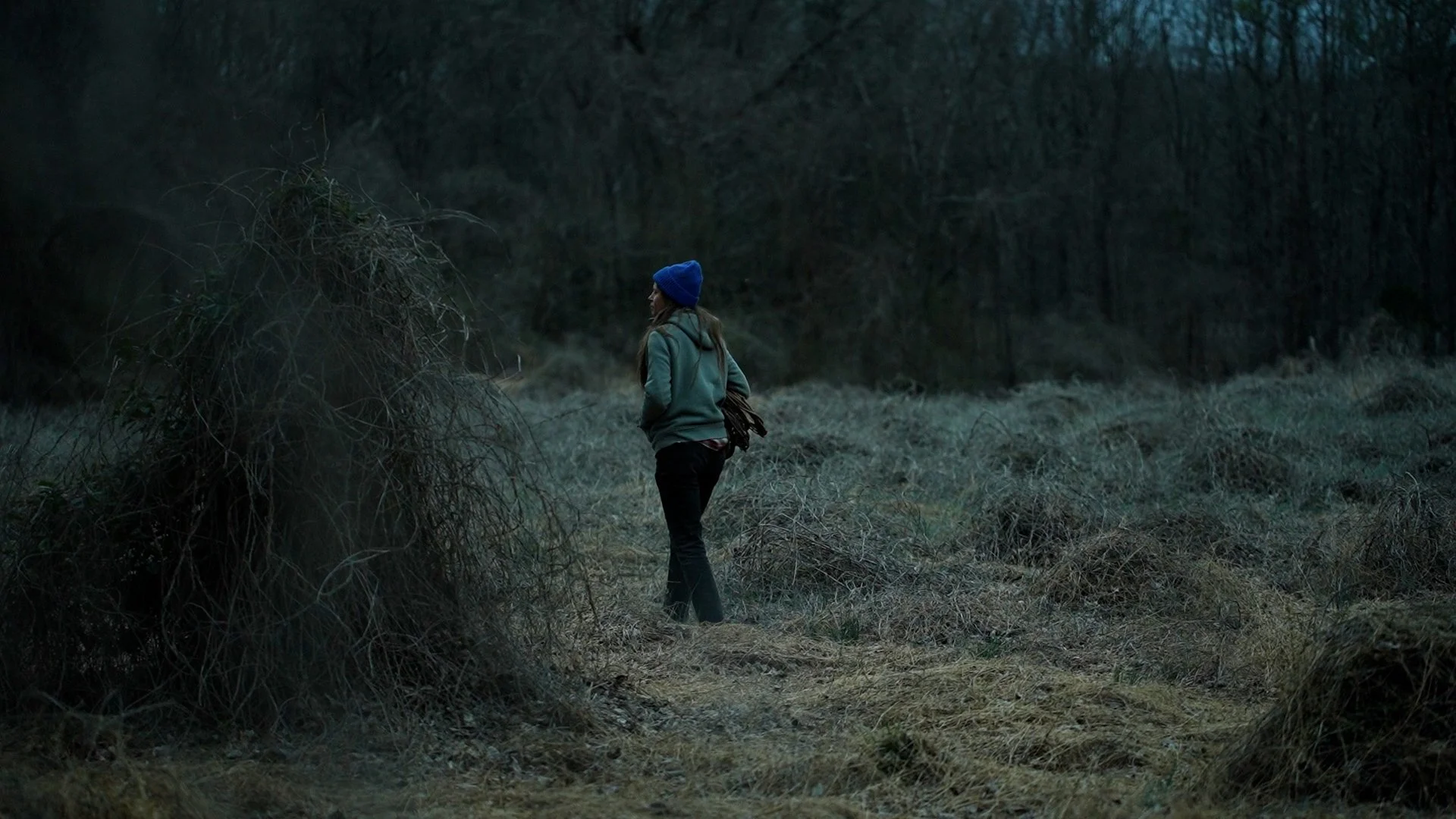
I've been coming to this spot for a couple of years now. Someone told me about it. I live right down the street, so it's really convenient, and the folks who own this property—this really sweet older couple—are very encouraging of me harvesting here.
It’s dormant
in the winter, but the main vines are still alive—they're just not actively growing. It's better to harvest it when it's dormant because the sap isn't running.
It blooms in late summer, and it has really sweet smelling flowers. People make jelly out of it.
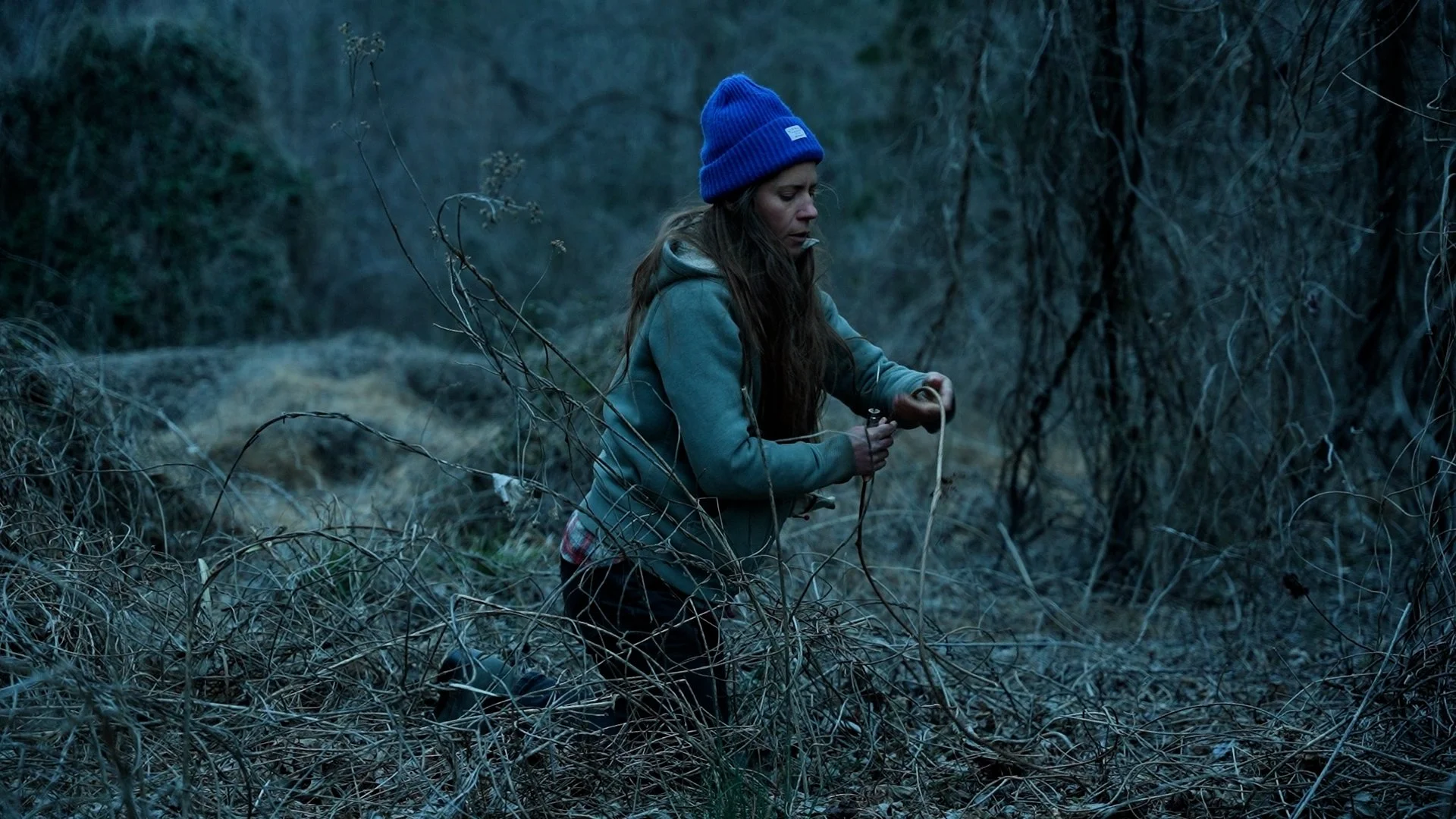
People in Japan processed kudzu to weave cloth. It's a whole different process and different part of the plant that you use for processing it to weave fibers. It’s got this sheen and it's really strong.
There's this story that someone told me: it would start as a work coat and then it would become a shirt and then it would become underwear because it would get softer every year.
It wasn’t historically used for basket weaving. That's been a kudzu diaspora use.
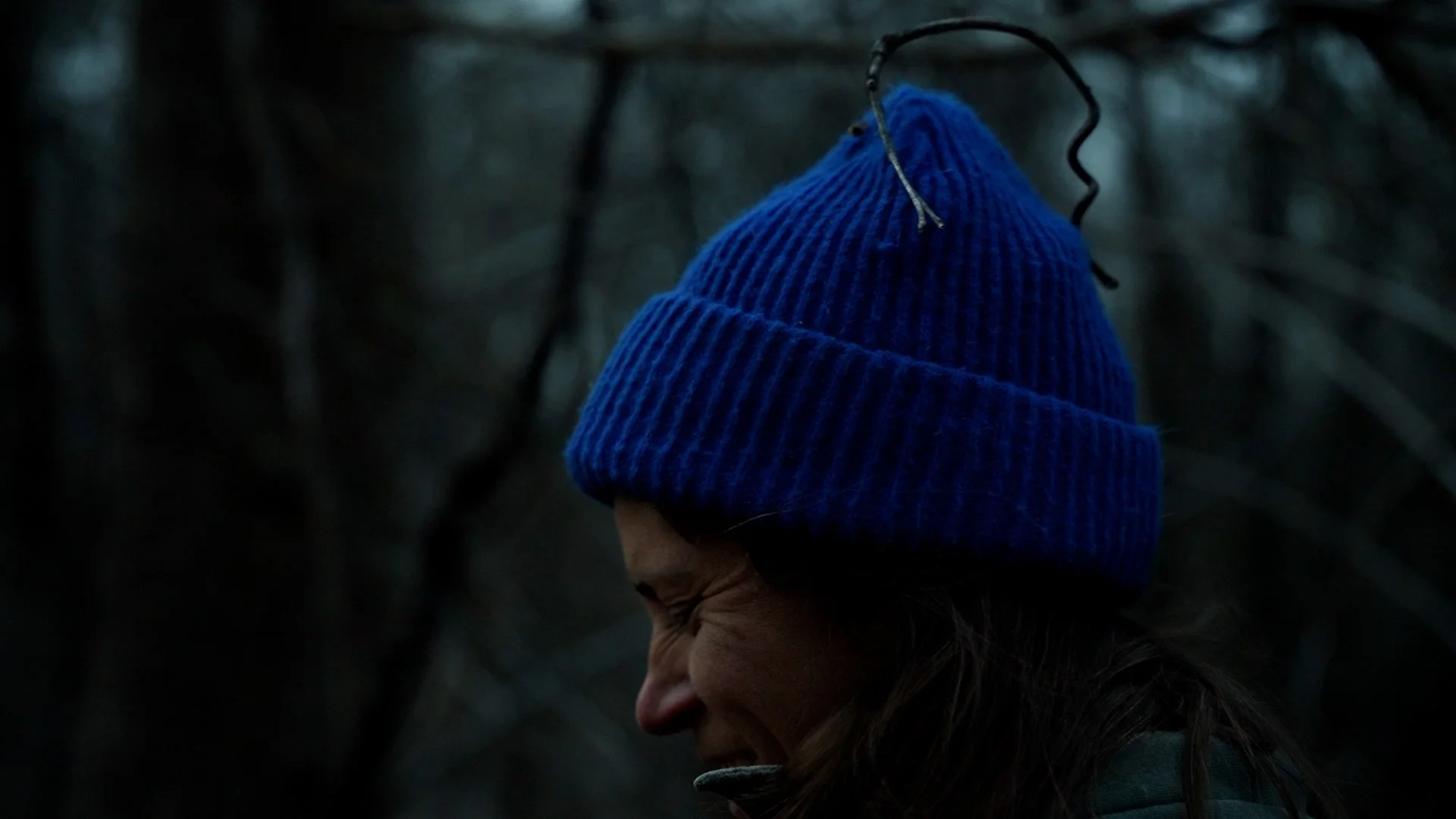
I have been writing a lot about edgeland areas, which I love: ditches and the edges of developed areas where it's quite wild. It’s not pristine nature. It's not being curated and not being cultivated, and it's not actively being built on.
It's just left alone.
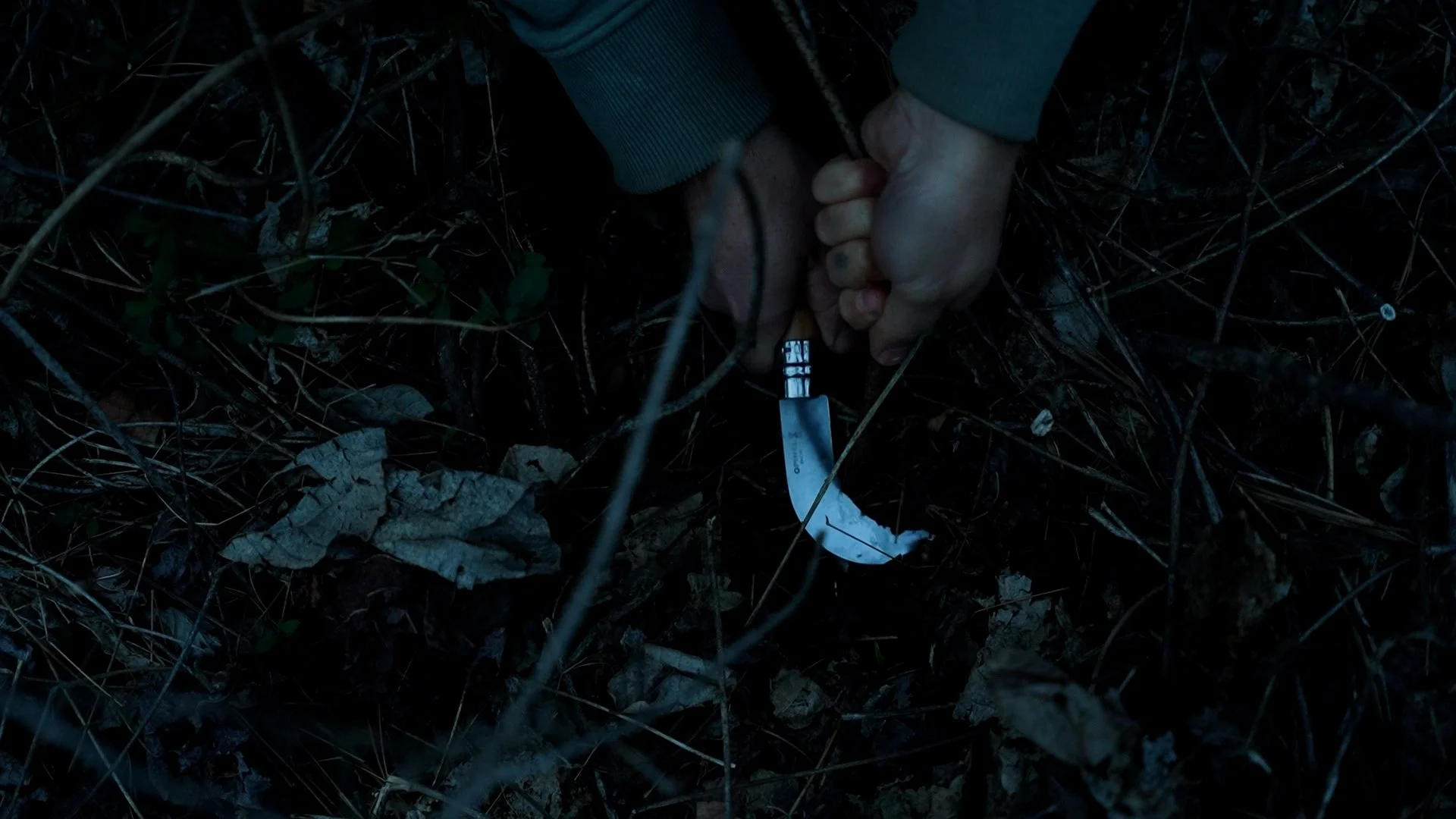
There’s lots of
trash and invasive species and debris, and it is a habitat for wild creatures. I love the interplay of the built environment and nature that happens in those spaces. It seems like a kind of wild new nature.
I want to make pieces that reflect those types of habitats and the things that thrive in disturbance.
I spent about a year
honing the design for my studio. Initially I was thinking of designs that would house a bigger facility of a craft school. Then I decided that I wanted to focus on building my own workspace that I could teach out of and host some workshops.
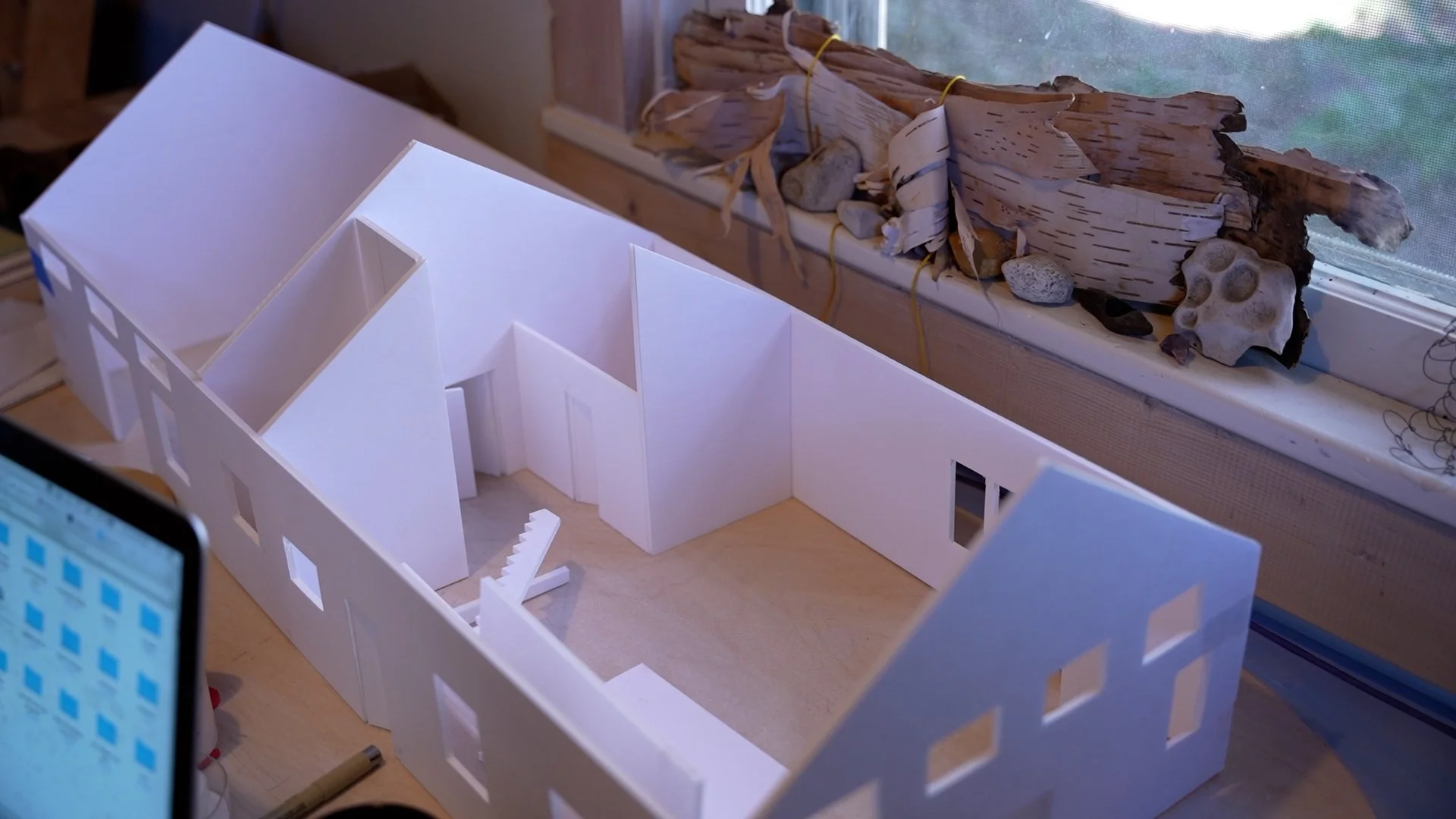
What I landed on is a long structure that's divided into two: one space will be for metalworking and woodworking.
It’ll have two big roll up doors to have that sense of working outside.
And then the other side will be more of the clean studio.
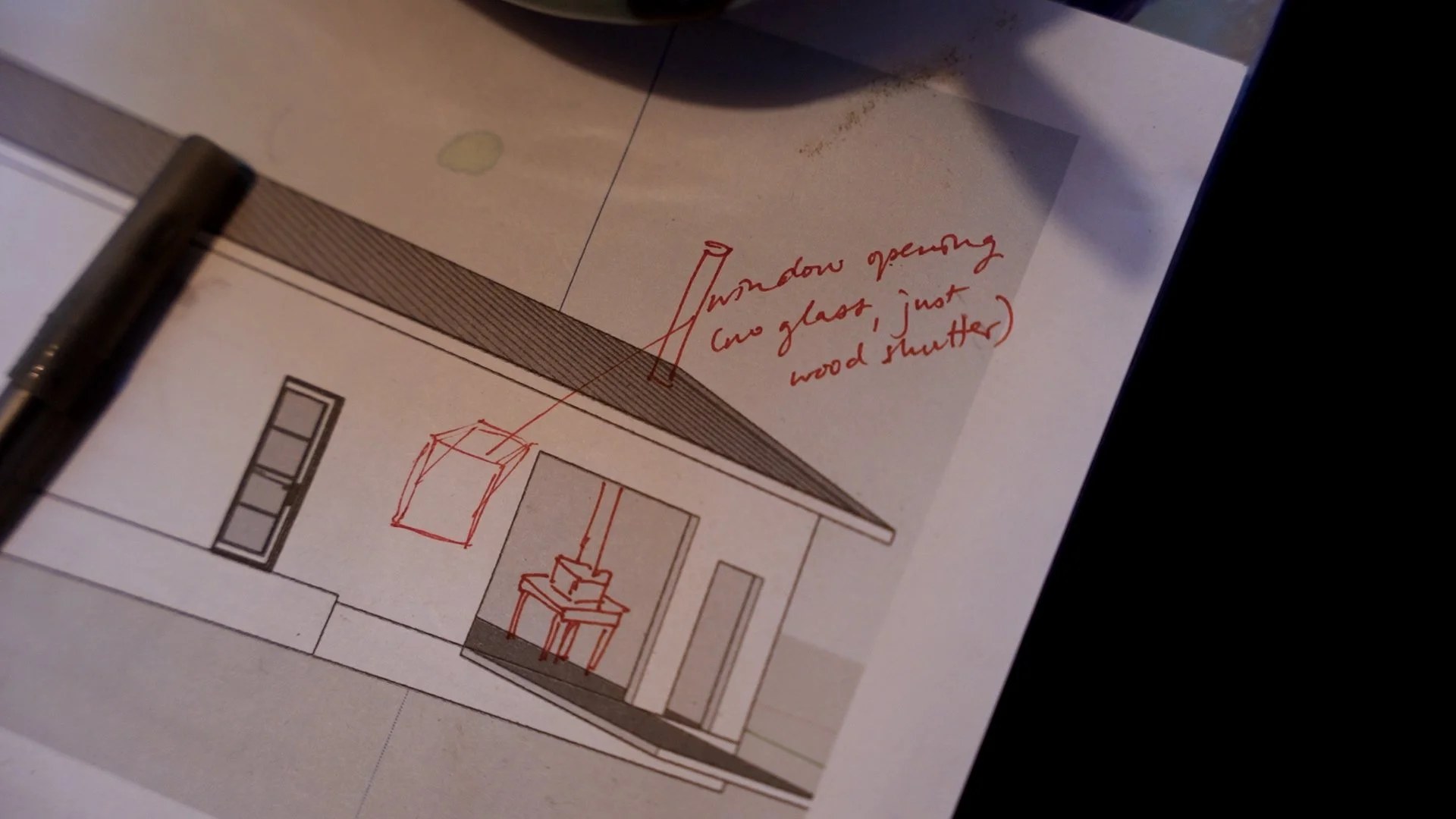
I didn't intend to do my own plumbing under the slab. It was a time crunch, and no plumber could come and help me on such a short timeframe. So I did it myself with the help of my friends. Gluing things together and digging holes and crawling around—I've done that before.
I’m looking forward
to having a space where I can move from the metal, hard space to the clean, quiet space.
I'd love to make work that speaks more specifically to that interplay while still remaining a little bit natural, not forced.
The distinctions that create the separation between those worlds are so arbitrary and externally put upon them. It is so natural to move fluidly between them—
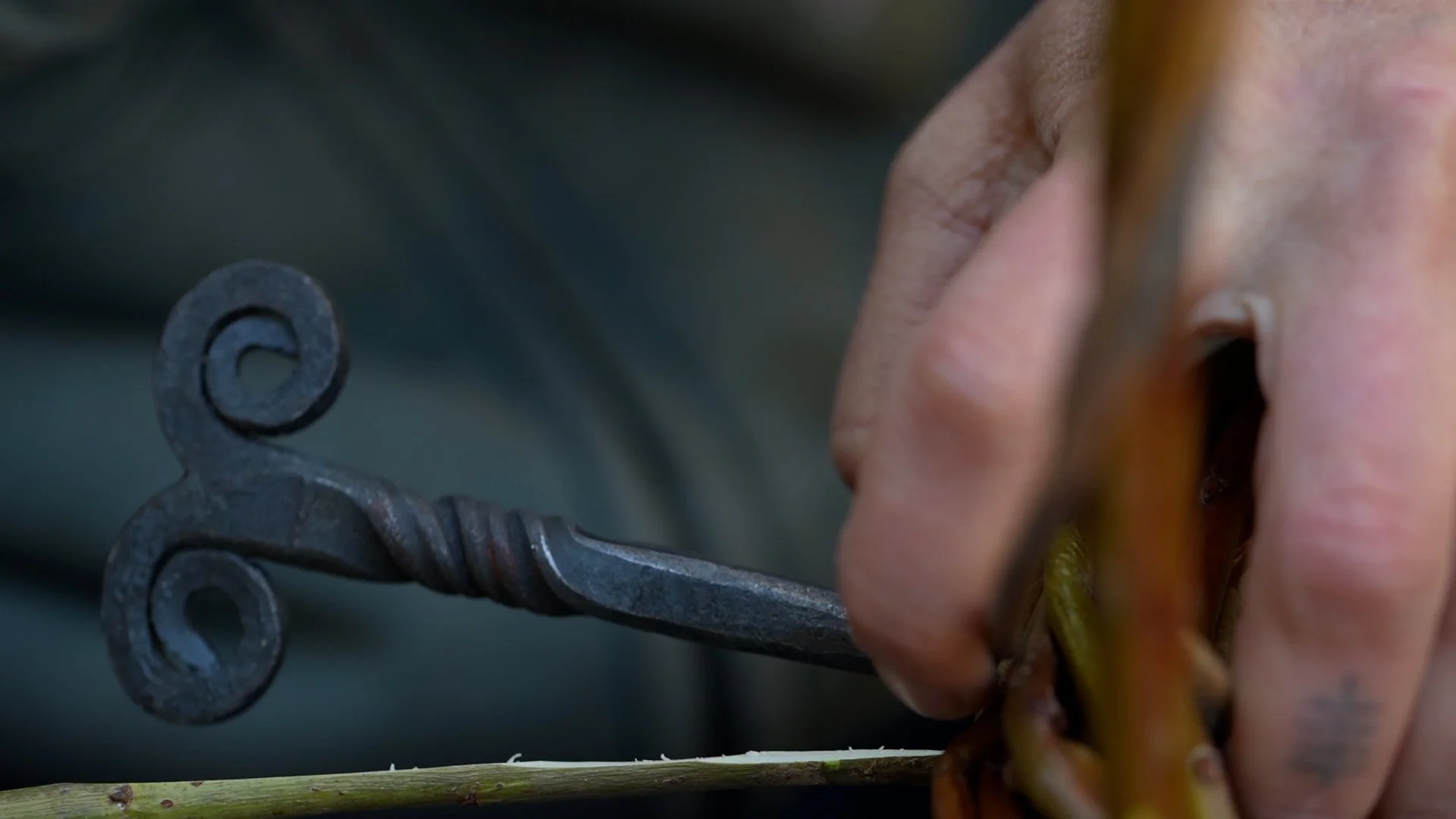
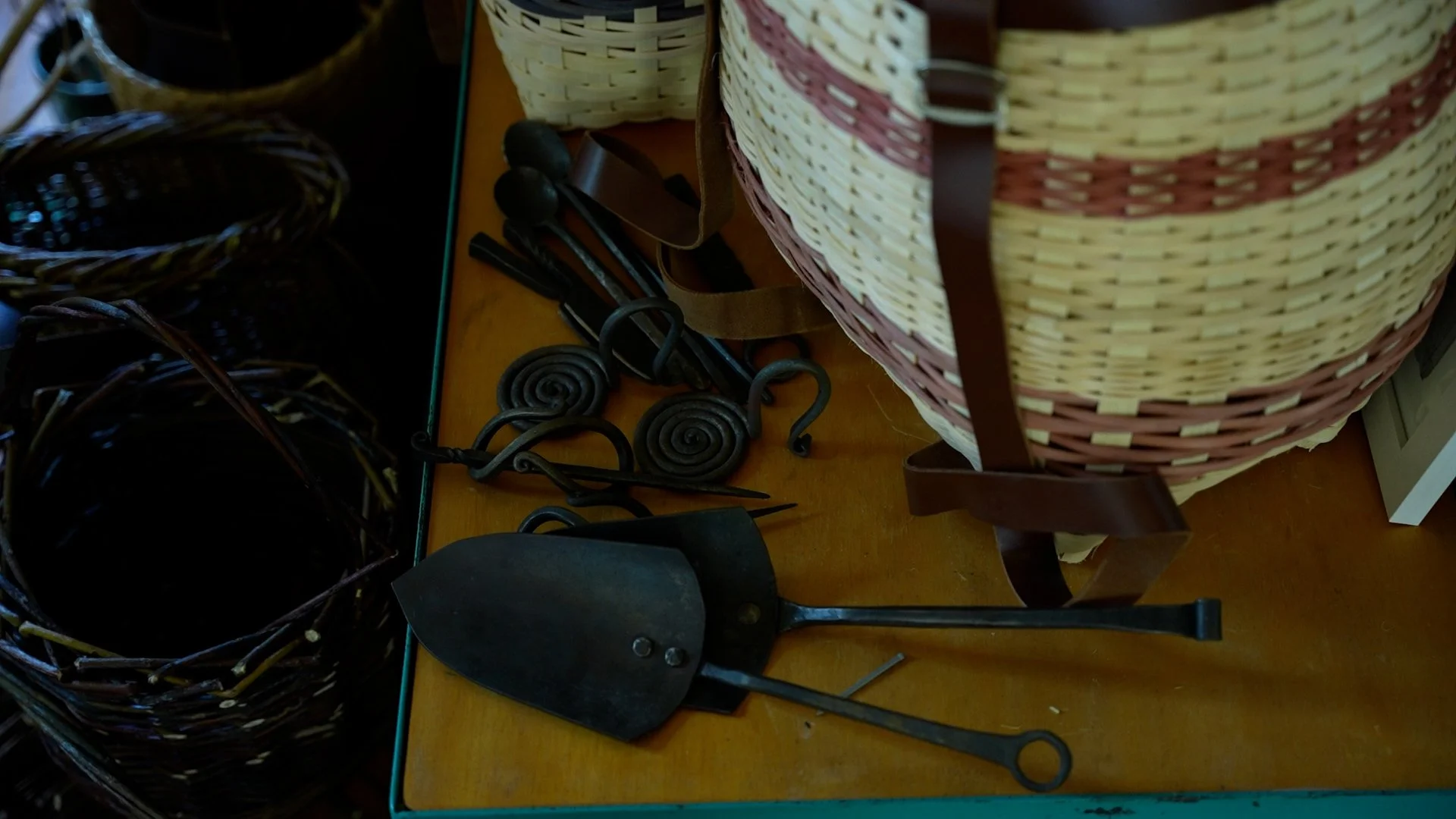
working really repetitively and honing something; taking something to that finely crafted level that is not only about the aesthetic but the function of it. In particular with blacksmithing and basketweaving, you’re creating something solid out of a lot of linear pieces.
There are really sedentary and slow, tedious parts of the metalworking process as well as really physical, laborious parts of basketry.
The forge is very hot and you're sweaty, but so is being in the field growing.
So I
don't want to make work that's like: here's this traditionally male labor, here's this traditionally female labor; I'm going to mash them together. But that is more nuanced and has the conversation there naturally without being so historically didactic.
They both feel really crucial to me as a person.