Angela Eastman
Metalworker and Basketweaver
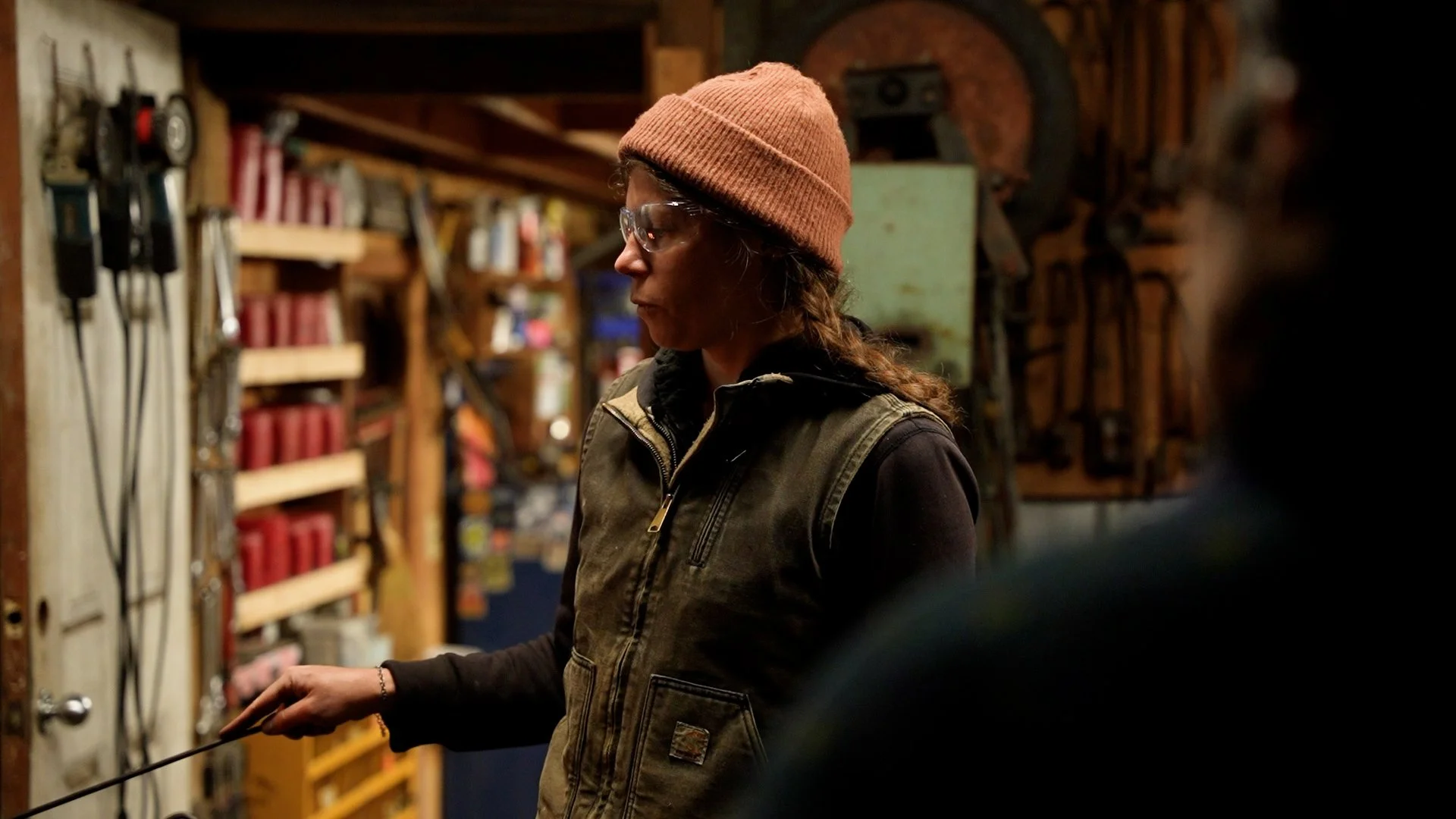
When I was in college, I took a lot of shop classes. I learned how to weld and work with metal.
I really enjoyed it. I was in the metal shop all the time. Nobody else was really using it, so I kind of took it over. It felt very natural to work with.
After college, I worked as a fabricator for a year for a guy who did architectural metalwork and sign fabrication. I did a lot of grunt work—grinding and drilling, some plasma cutting and welding as well.
I learned a little bit more about making things structurally sound.
I learned how to forge a couple of years later at Penland School of Crafts, which is up in the mountains. I did a two year program—like a work trade—and took a lot of metalworking classes.
I was always really
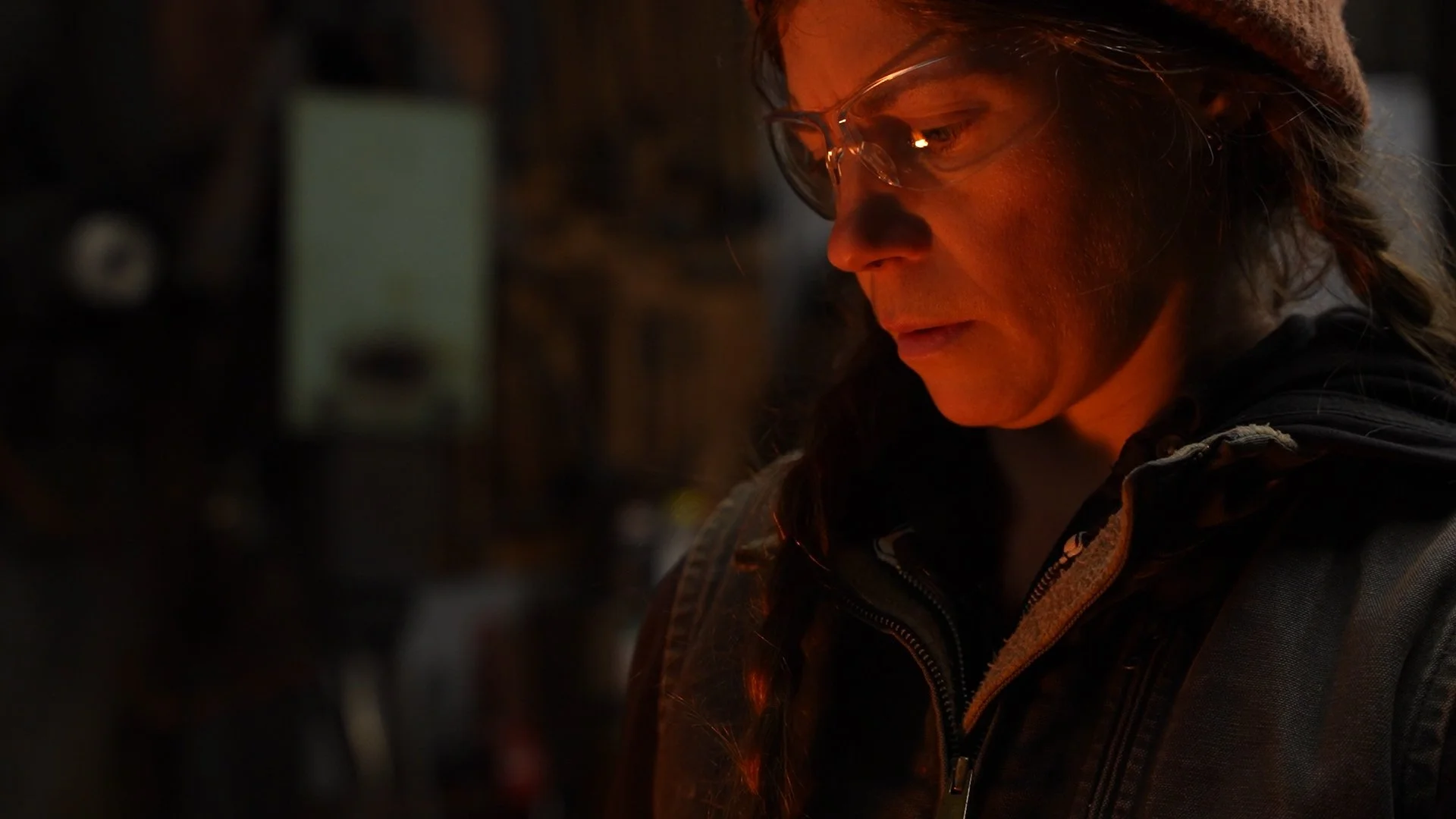
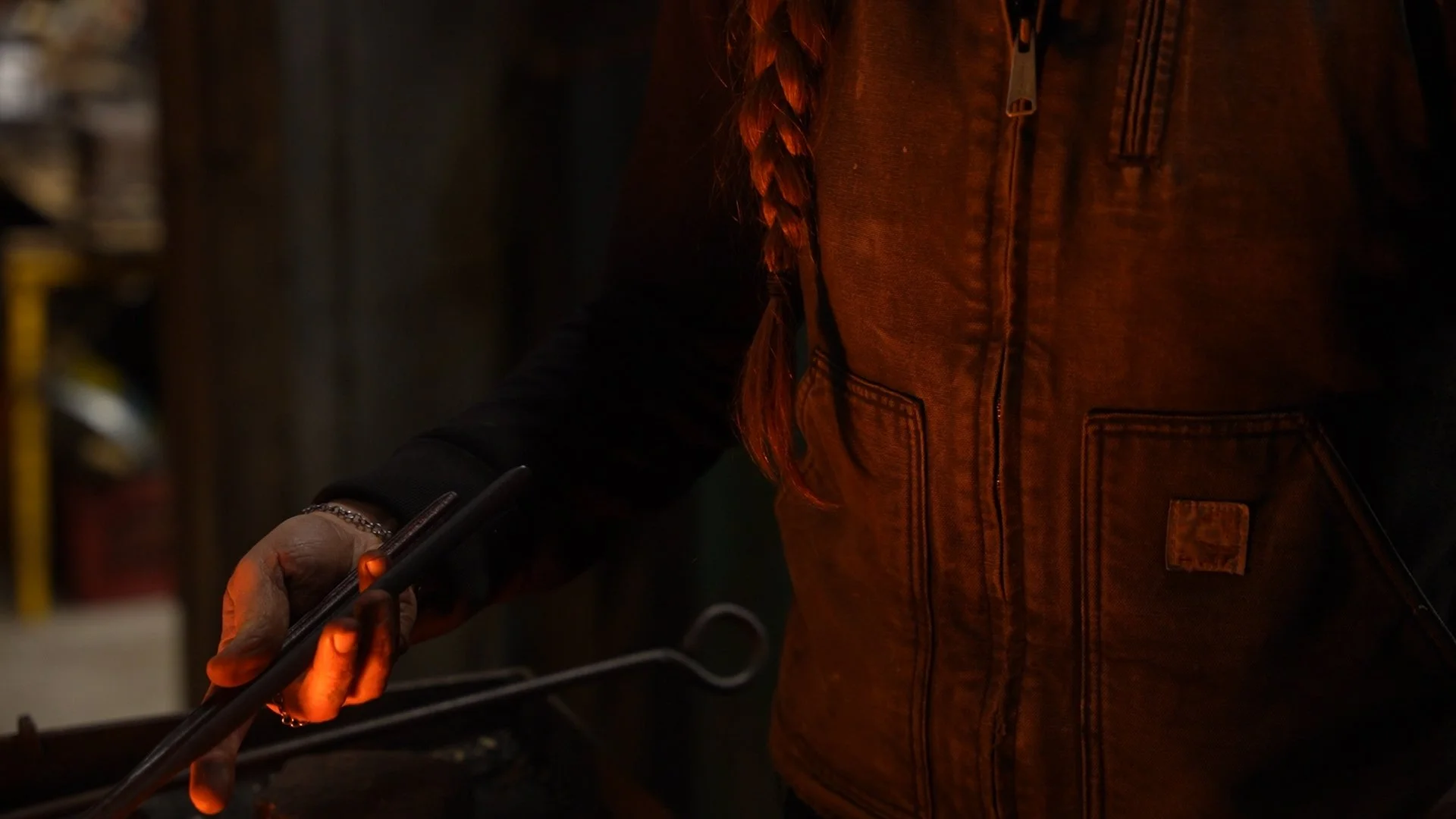
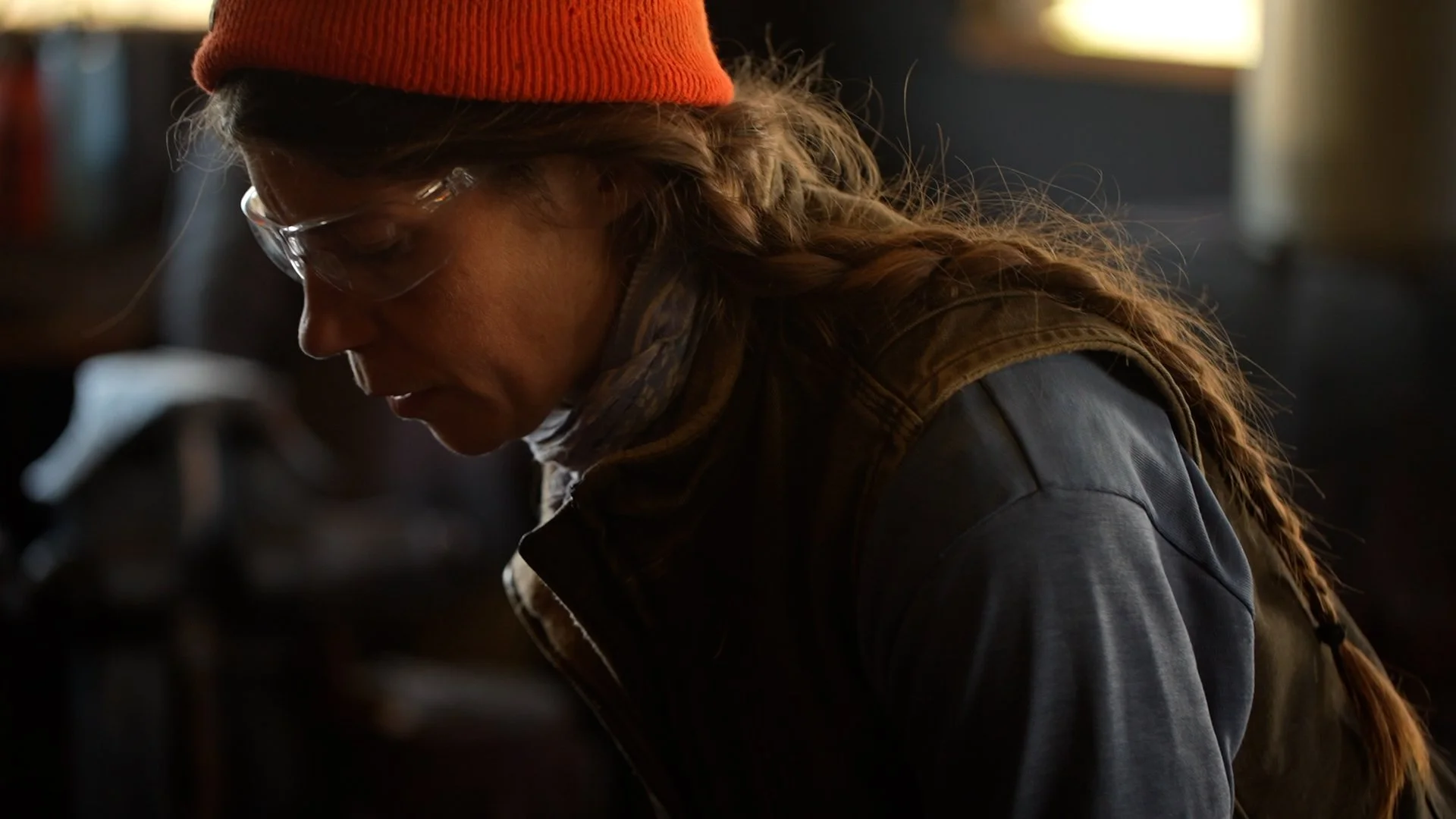
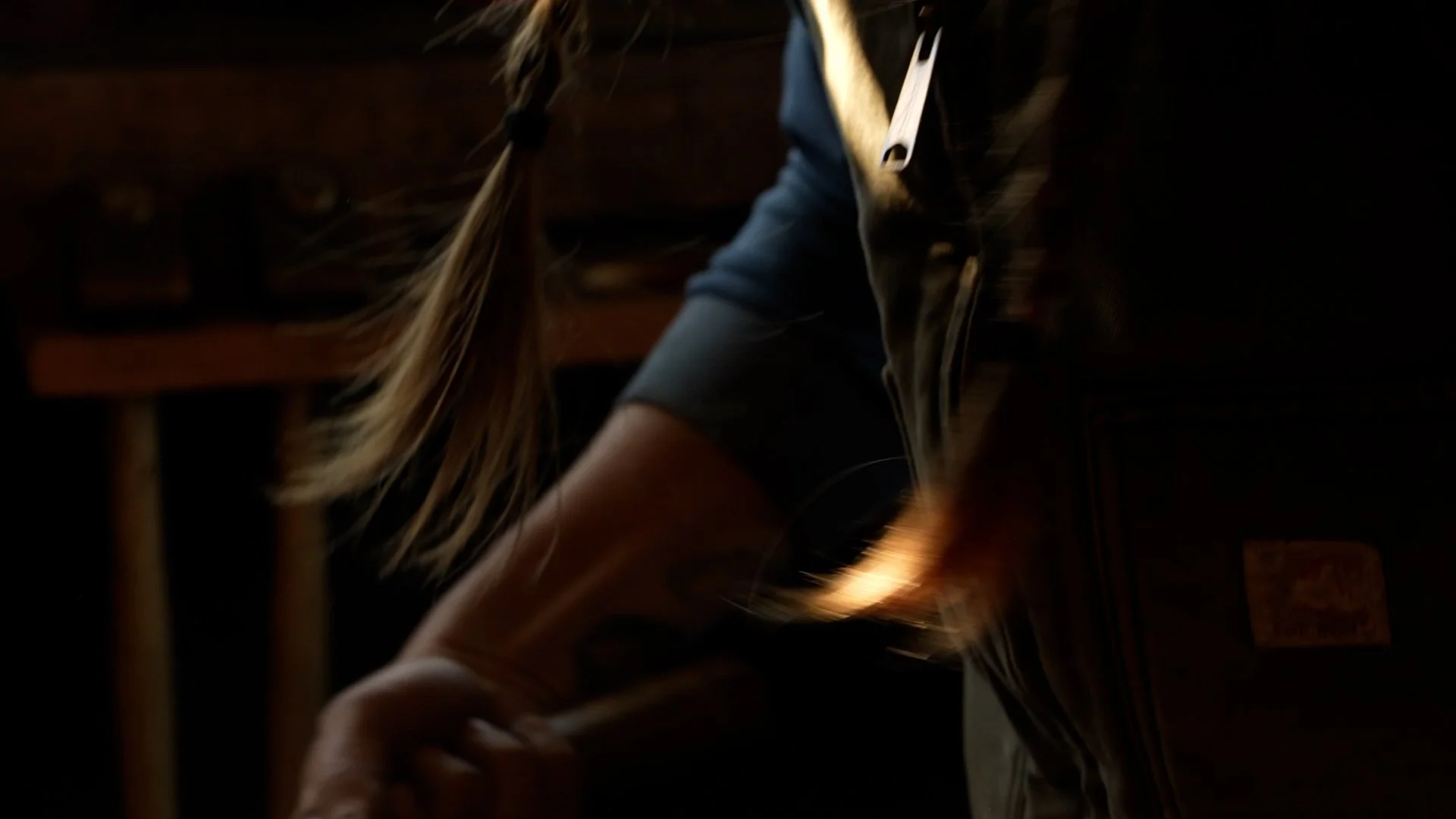
drawn to the physicality of forging. When you're fabricating, you're just sitting there most of the time and welding, and forging is so much more physical. Your whole body is involved and you’re moving around the shop and there's fire and it's loud and, you know, it's fun. It feels really good to do—like a dance.
I responded to
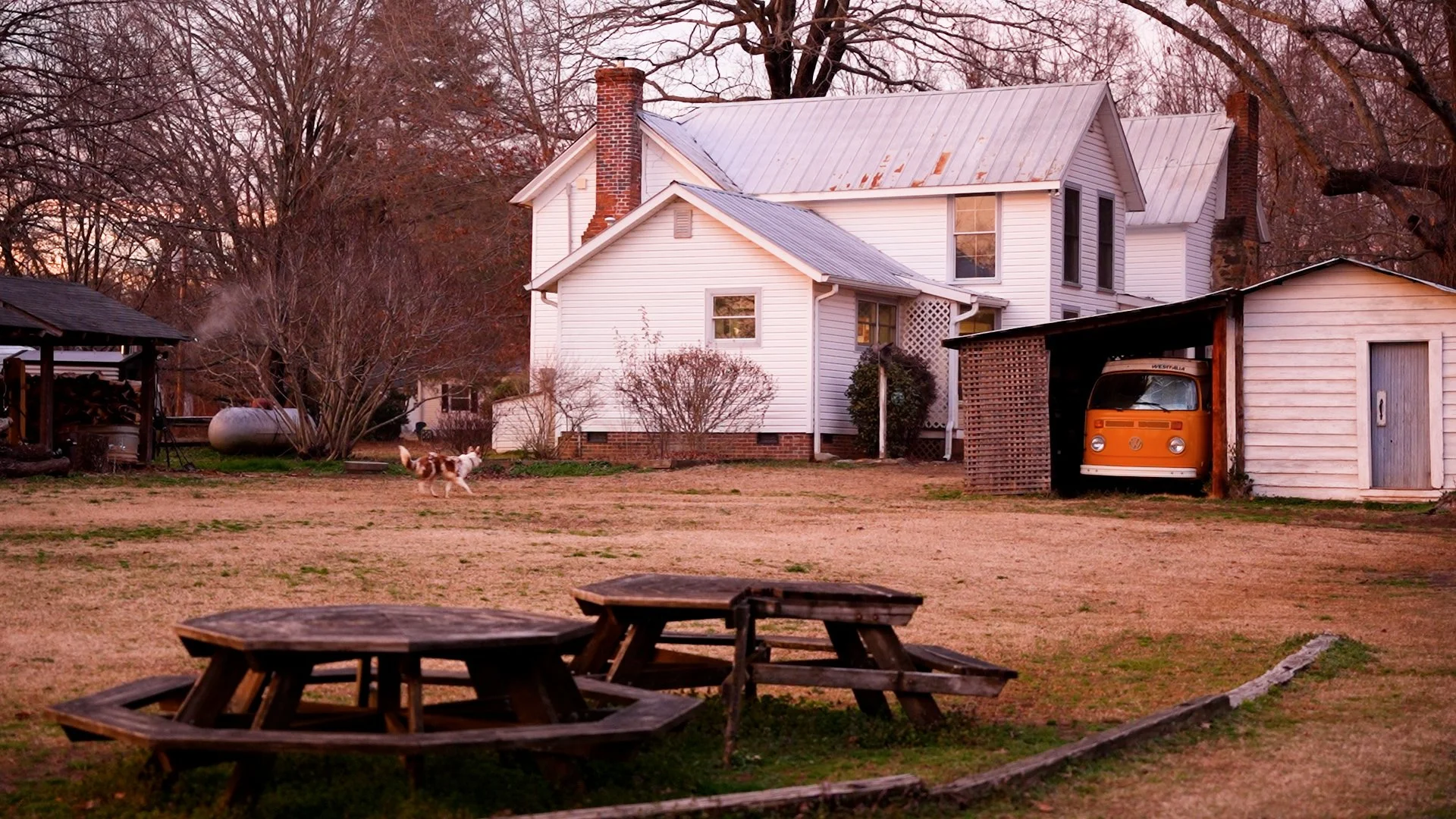
an ad on Craigslist. I was looking for a bunch of old chairs because I wanted to learn how to weave chair seats. I went to pick up a number of them, and as I was walking into the barn, I saw the forge and asked Dan about it.
I said, “I've done a little bit of foraging.” And he said, “We're actually looking for more people to teach.”
So I said, “I would be interested, but…only if you will let me teach this women's and non-binary class.”
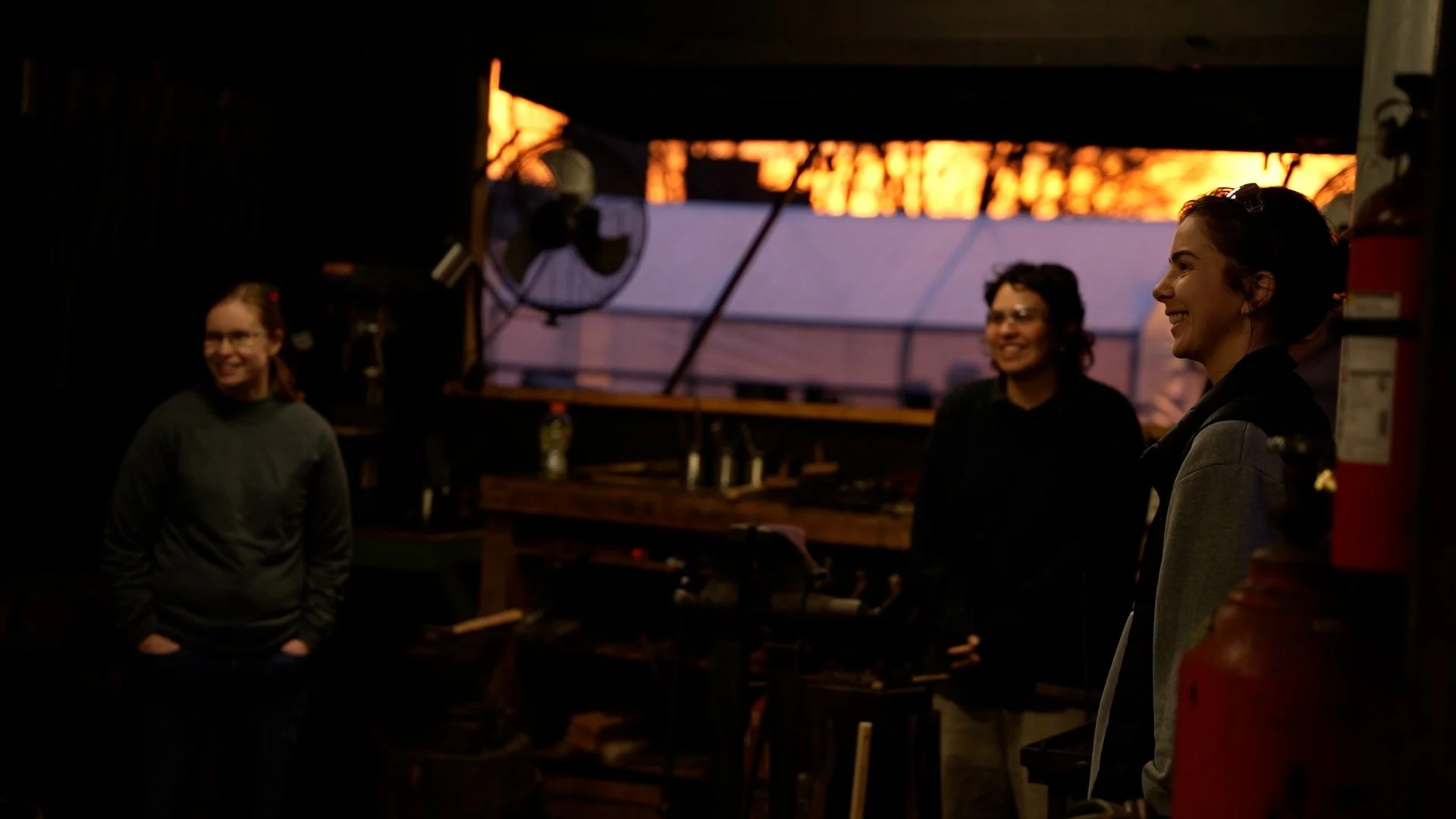
It’s cool to
use a coal forge because the technology really hasn't changed in several thousand years. It's cool to be connected to this really ancient craft in that way.
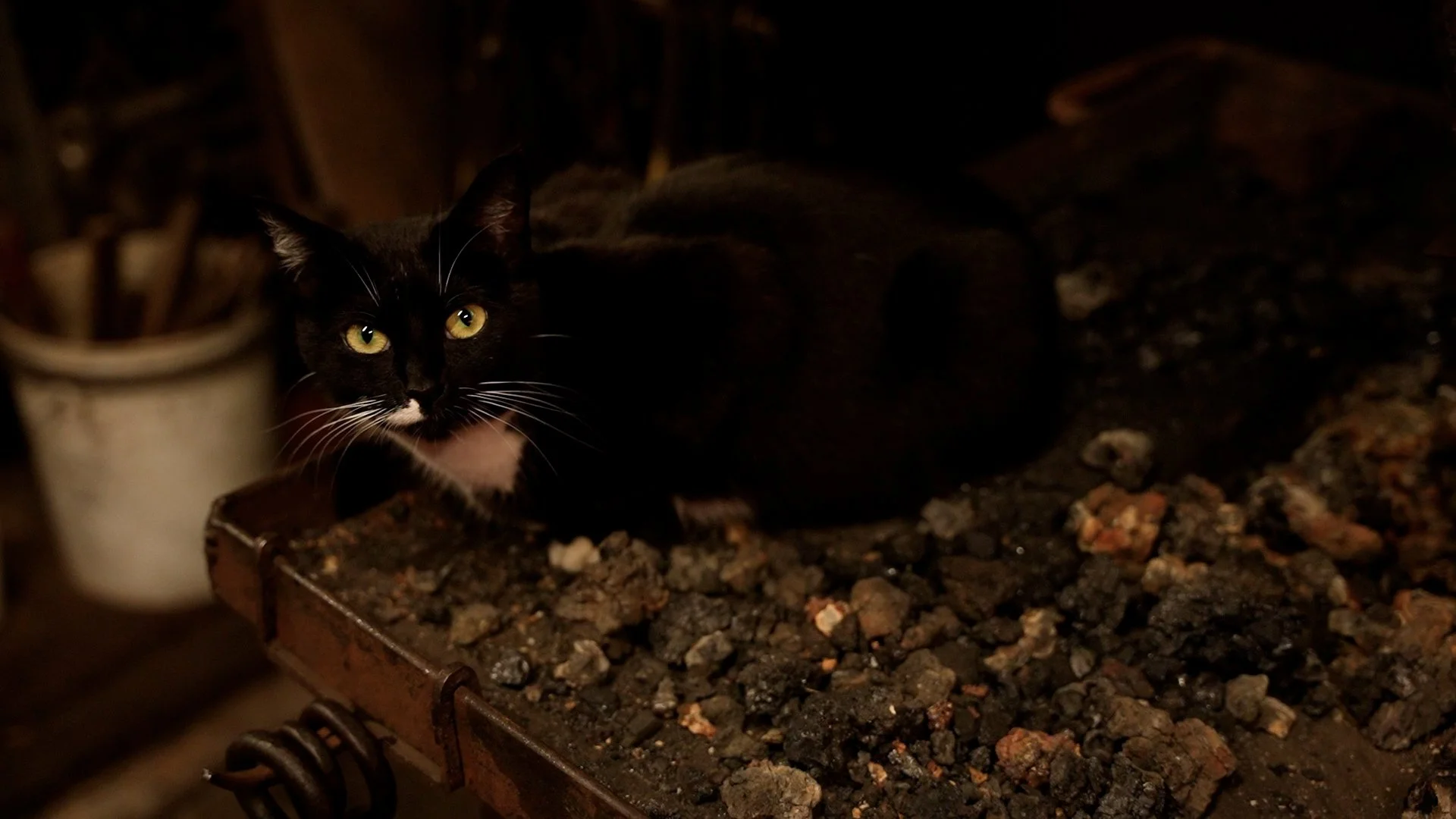
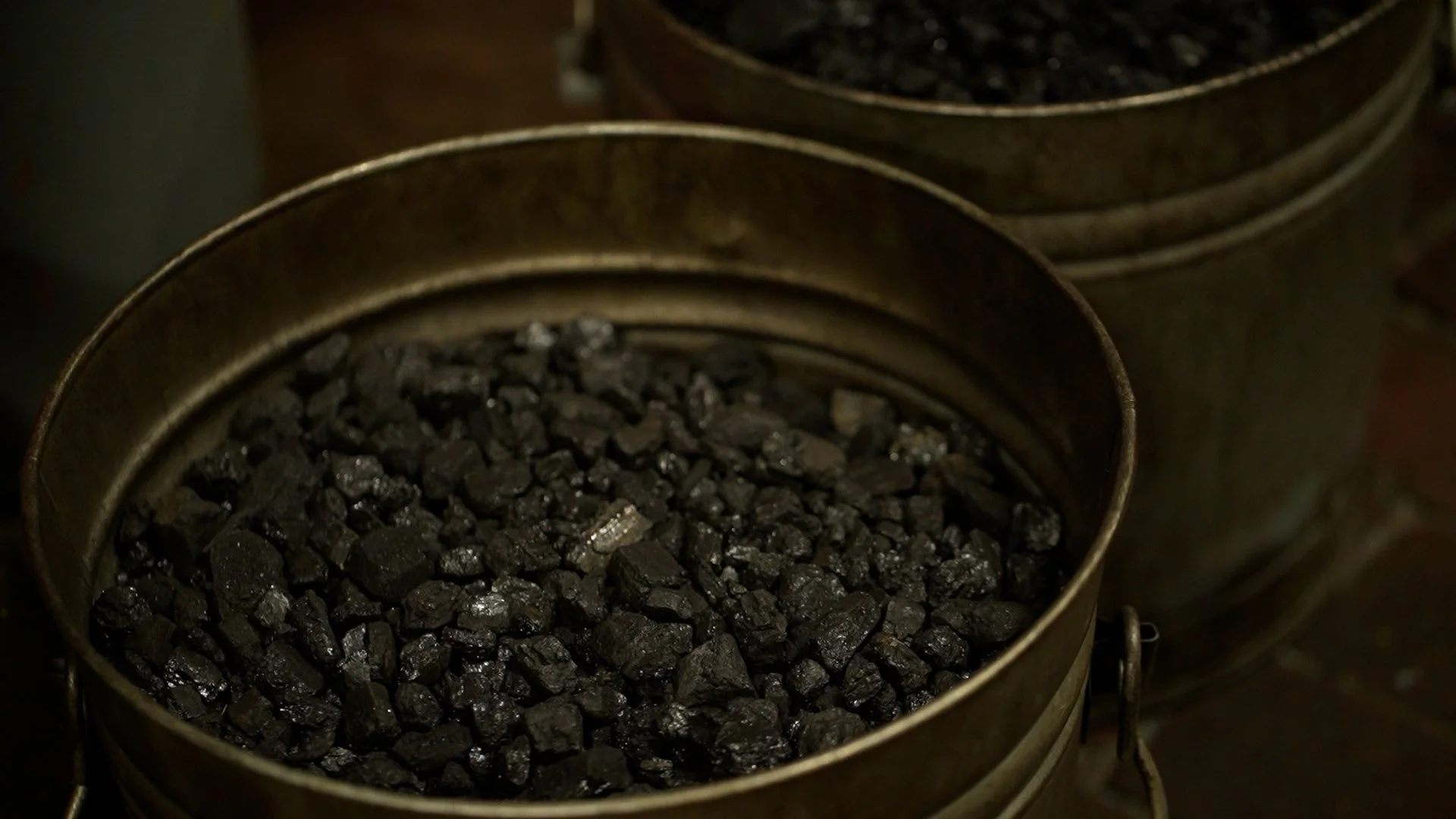
This is the fresh
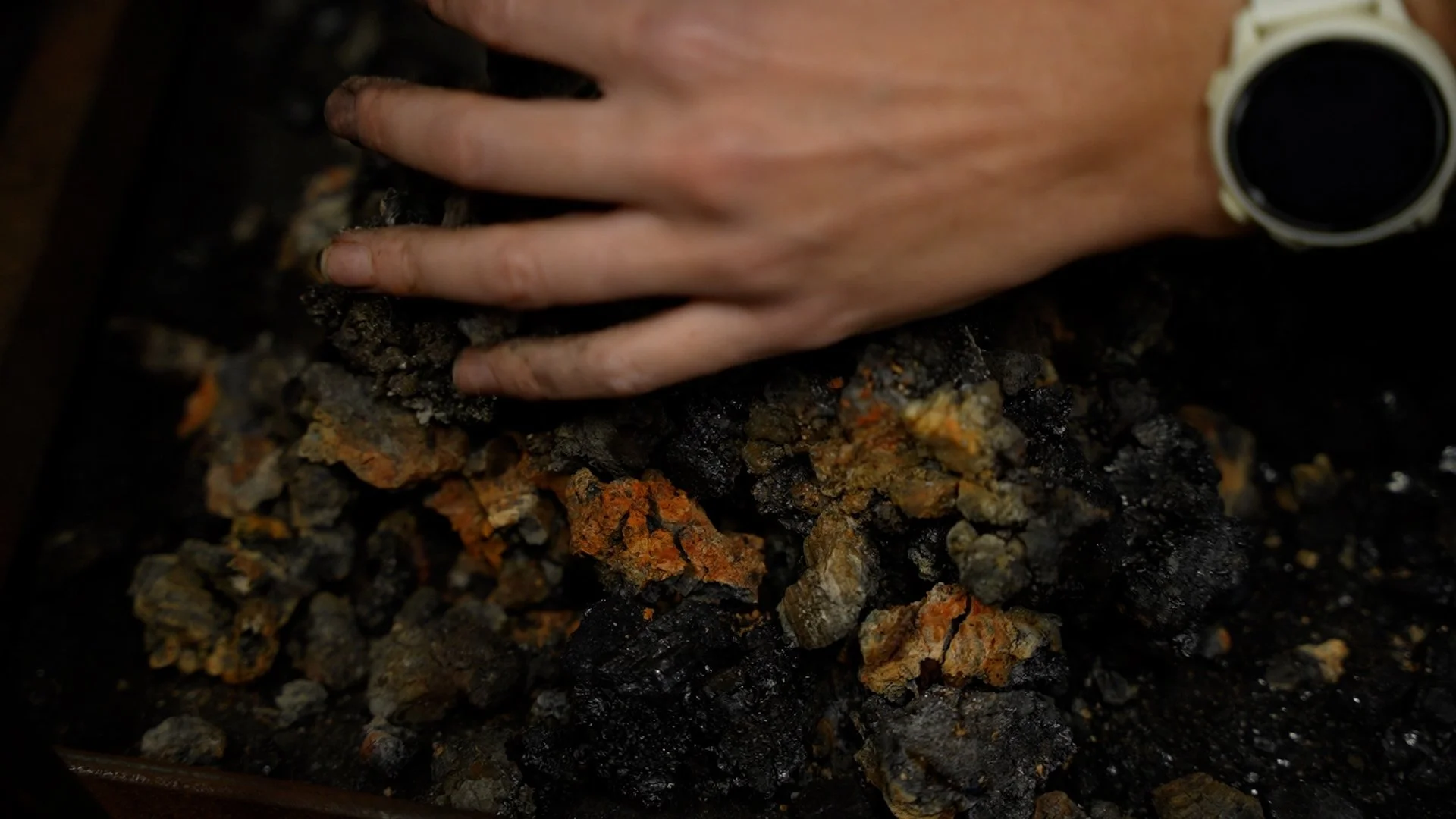
coal. You can feel the weight of it. That's just straight out of the ground.
This is called coke. You can feel how much lighter that is. That is after the coal has been burning for a little bit—it's a much more refined fuel.
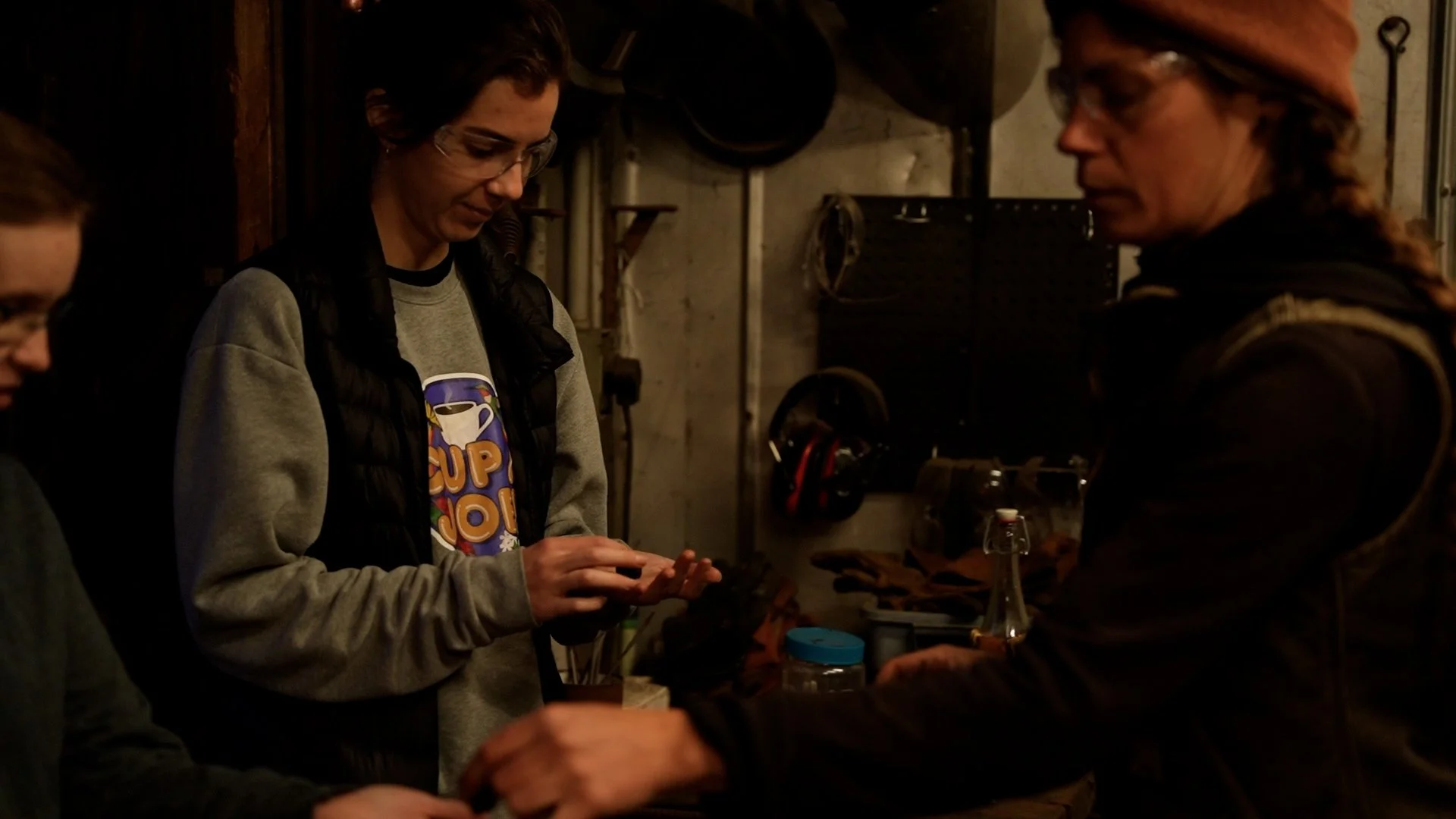
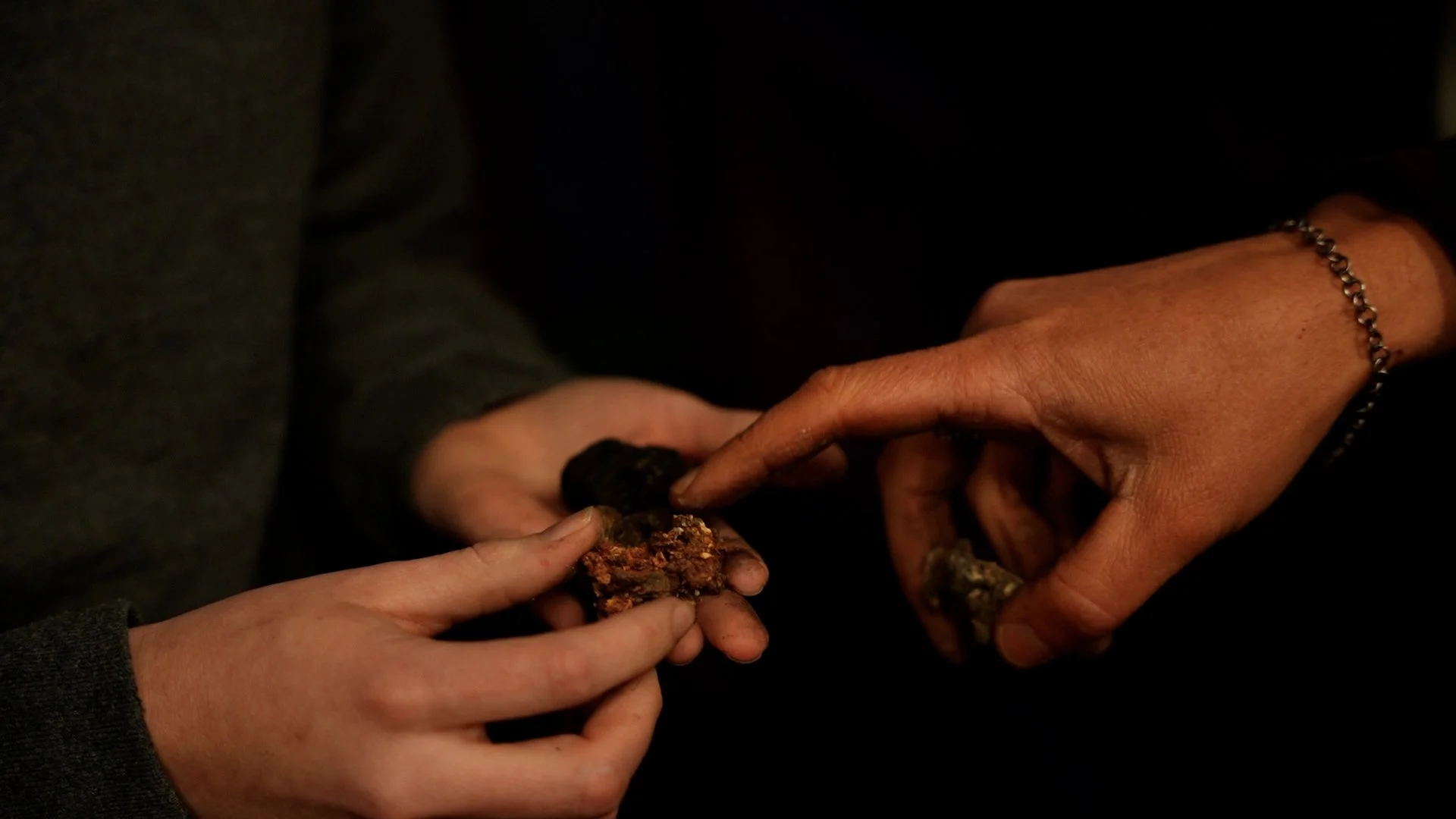
To get your fire started
you're going to want to have a mixture of the fresh—it's called green coal—and the coke. Once your fire has been burning for a while, it's going to become what's called clinker. Clinker is kind of like moon rock. That will no longer burn, so that is what we'll have to dig out.
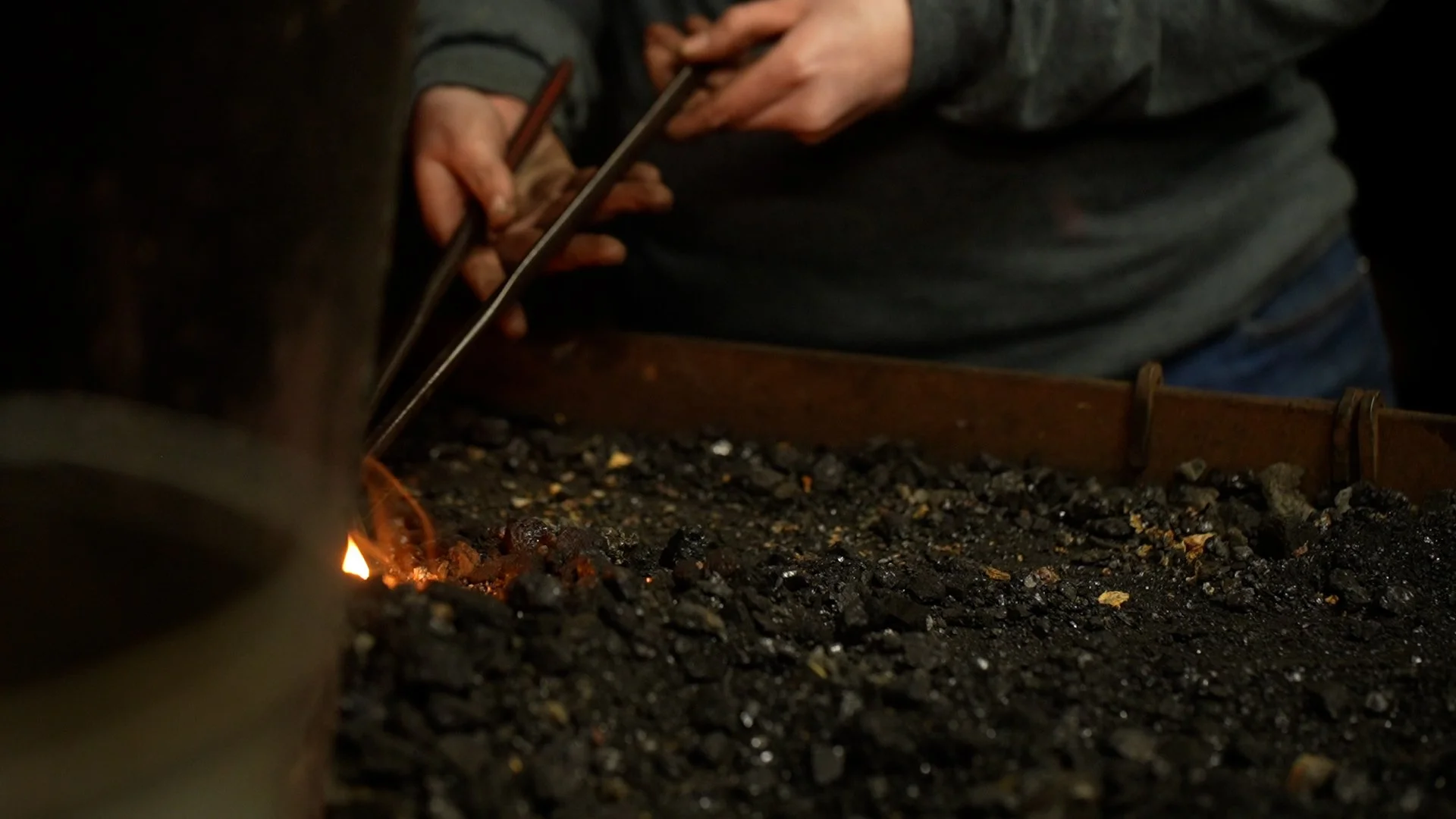
I'm going to start by just digging out my fire.
At the bottom of each of your fire pans, there’s something called a clinker break. It has a handle on the side, and it will allow you to push the clinker and all of the dusty bits down into the hole.
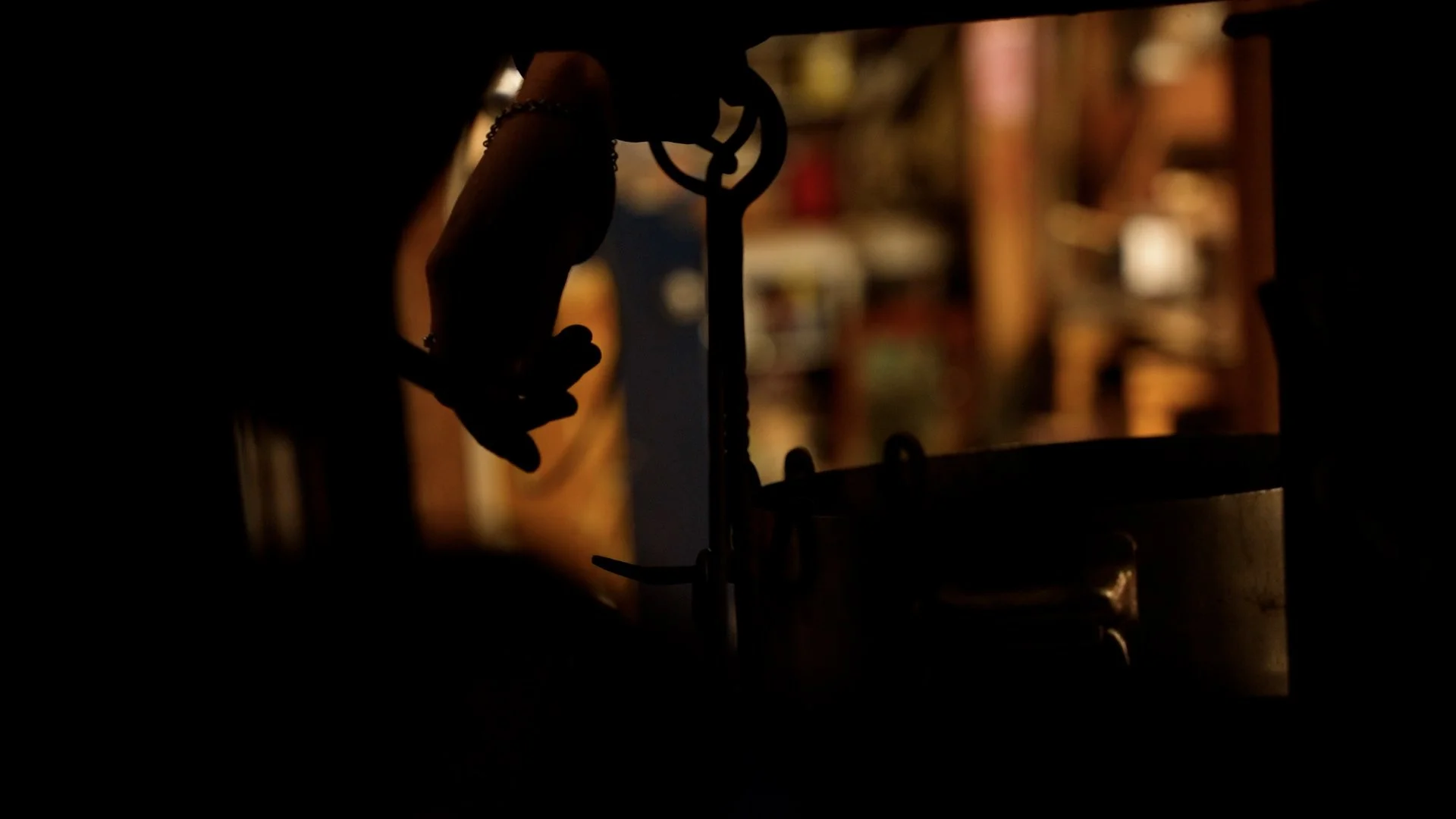
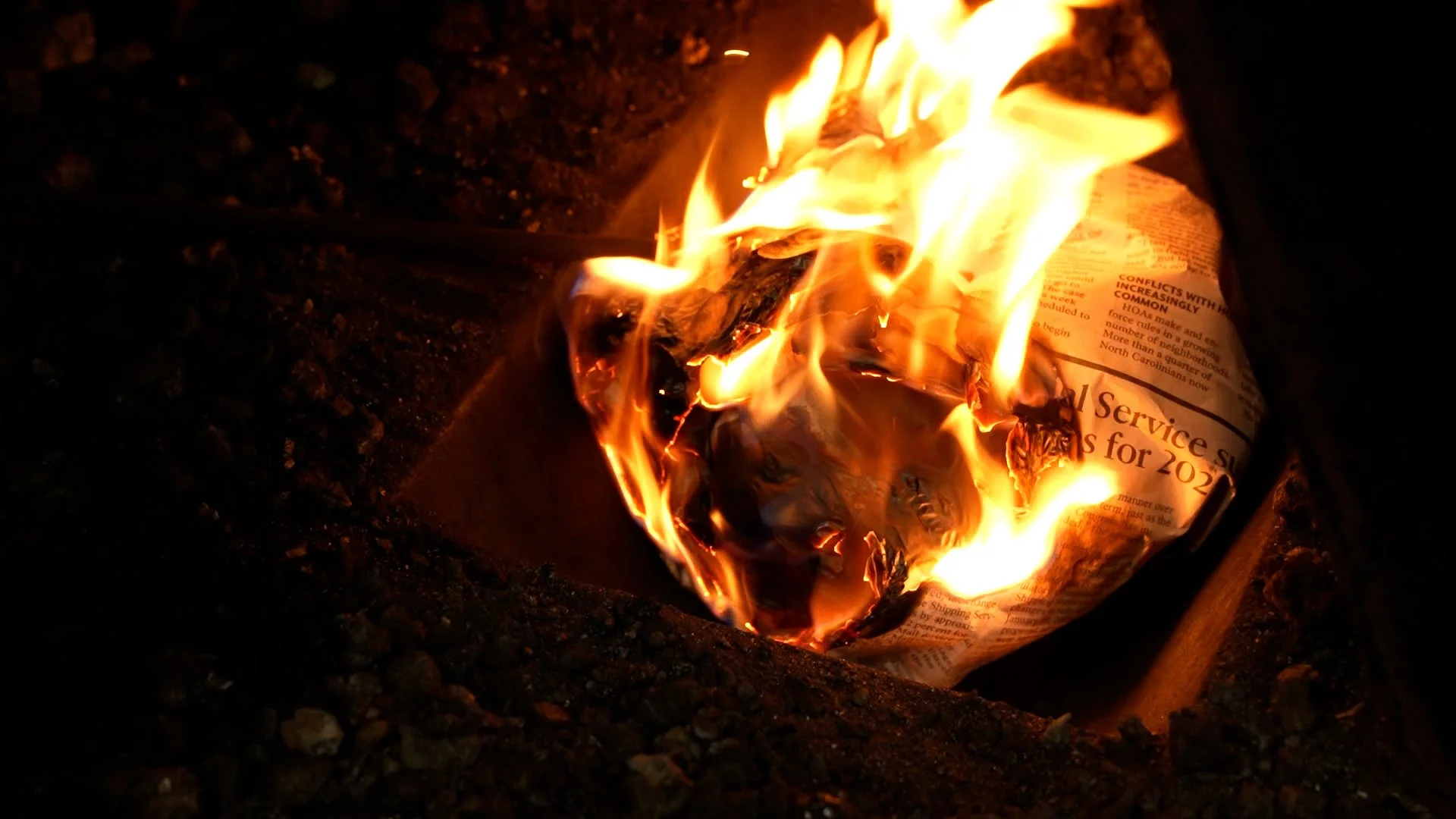
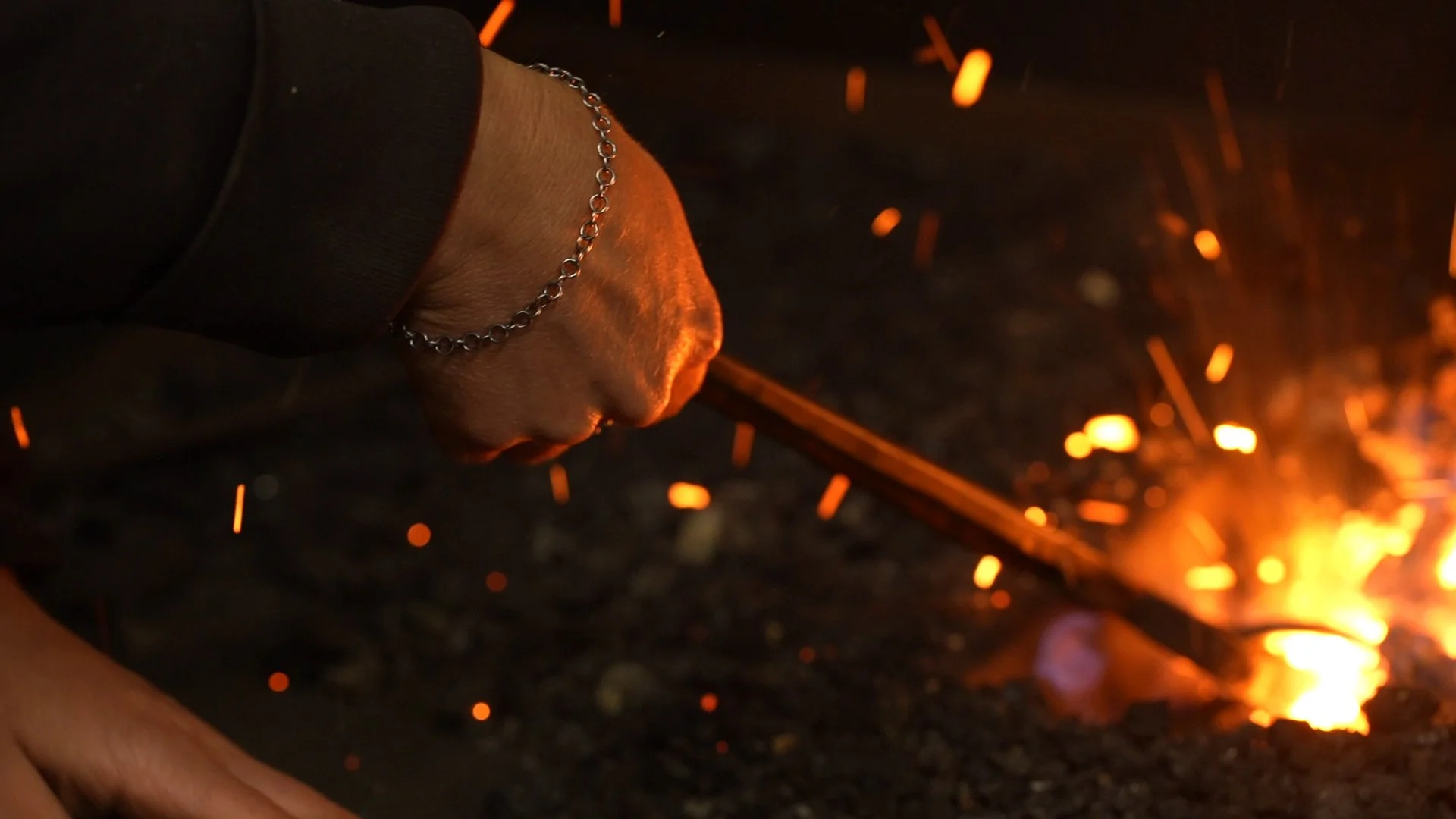
Now that I know that it's catching, I'm going to mound it up with coal and leave the blower on to let it build up.
For most people [forging] is something they’ve never done before.
A lot of times they're doing it because they are interested in being more self-sufficient. I've had a lot of people who are interested in being able to make tools
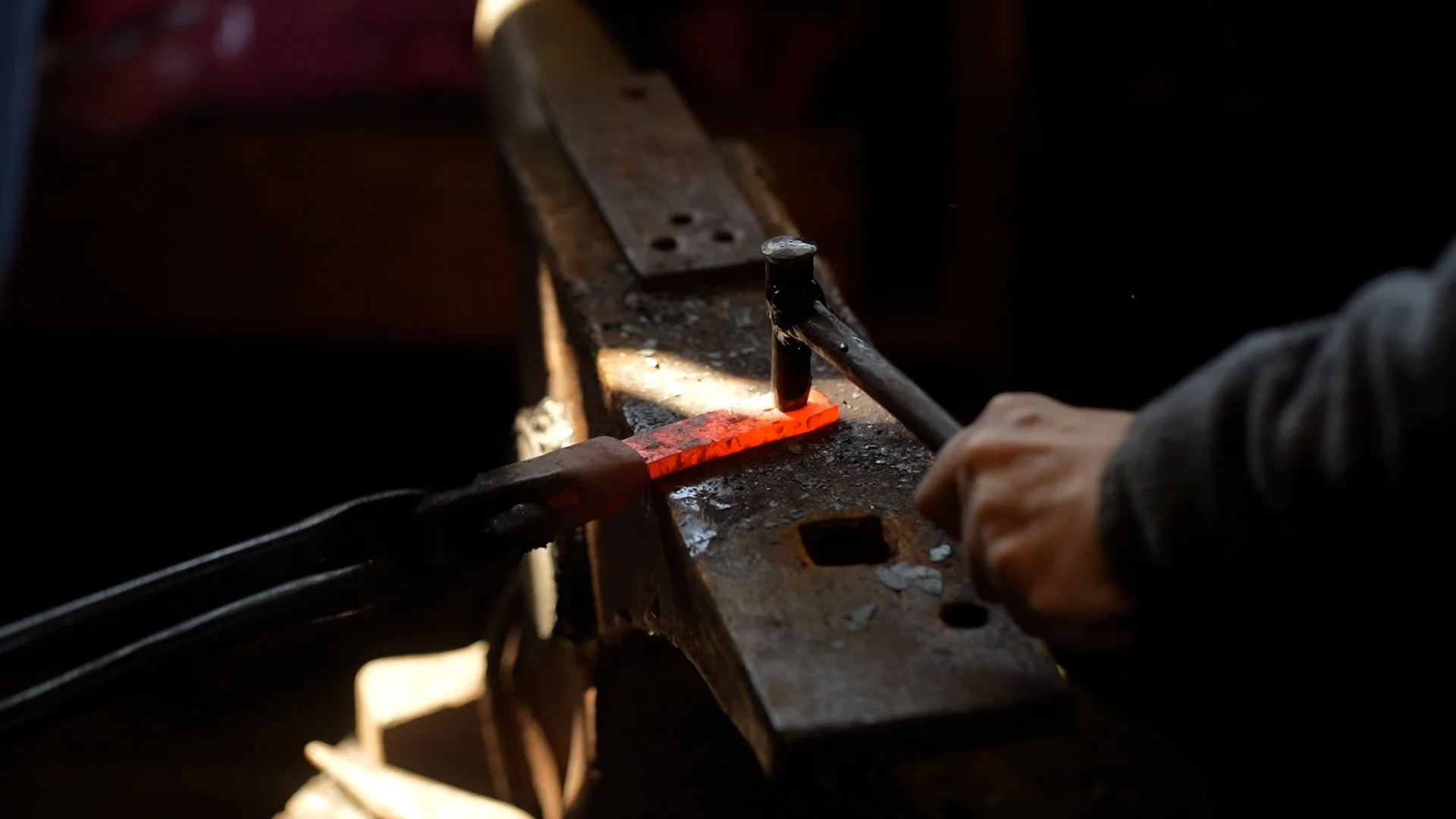
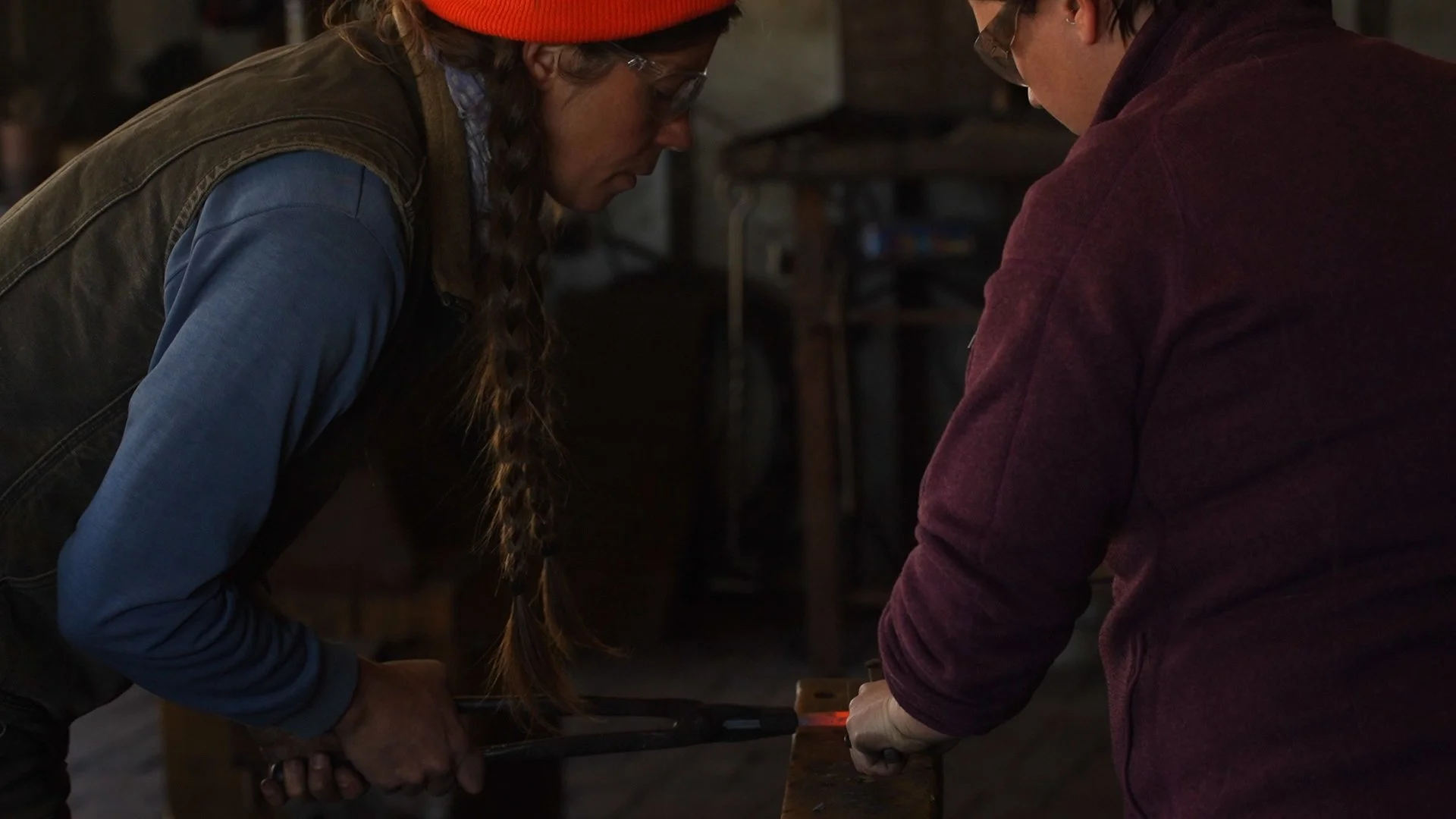
At the beginning of the class, the students have no idea how to make the thing that they're going to make.
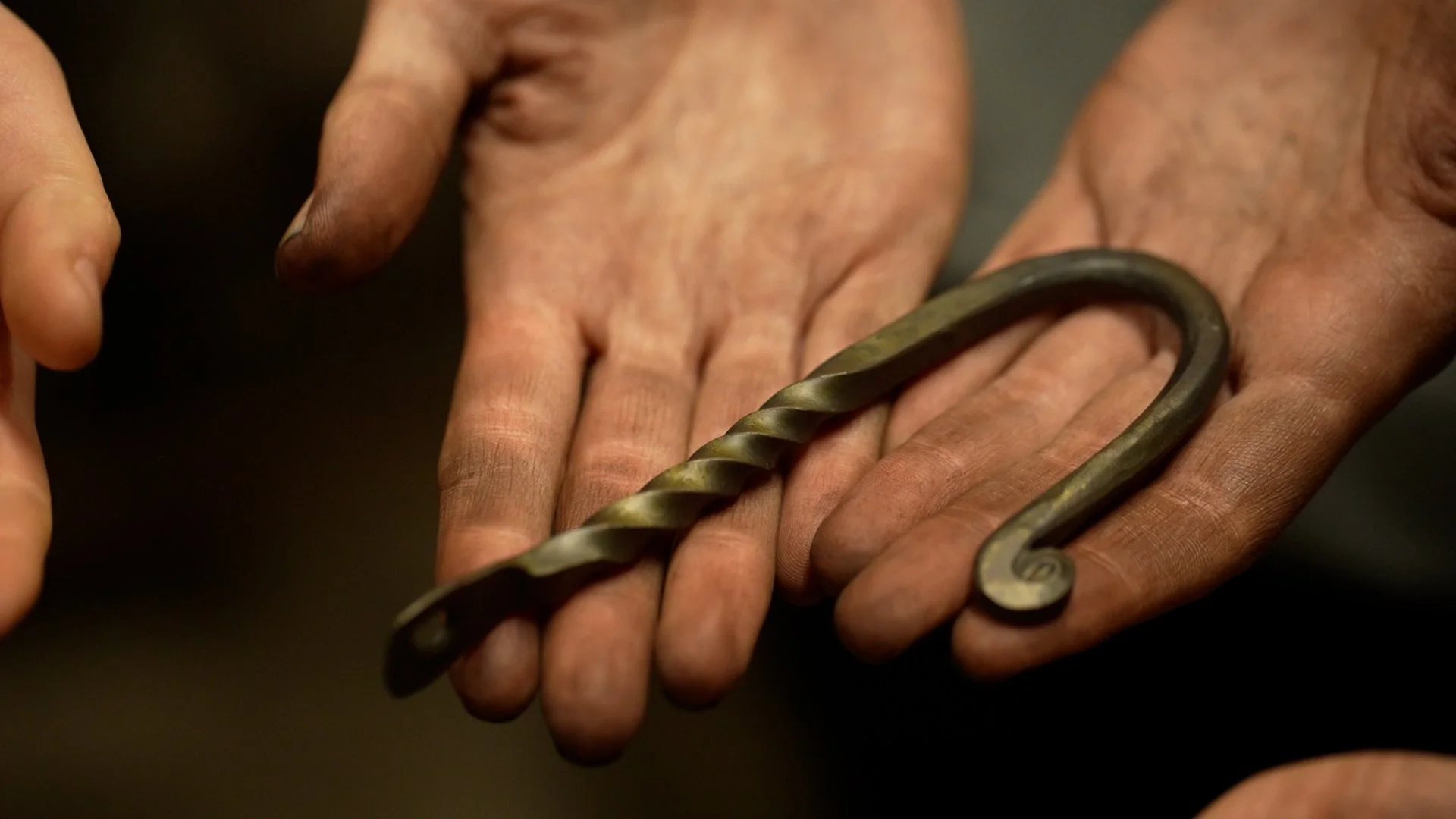
After three hours, they have made it, and they take it home and have this reminder of something that they have created out of their power and strength.
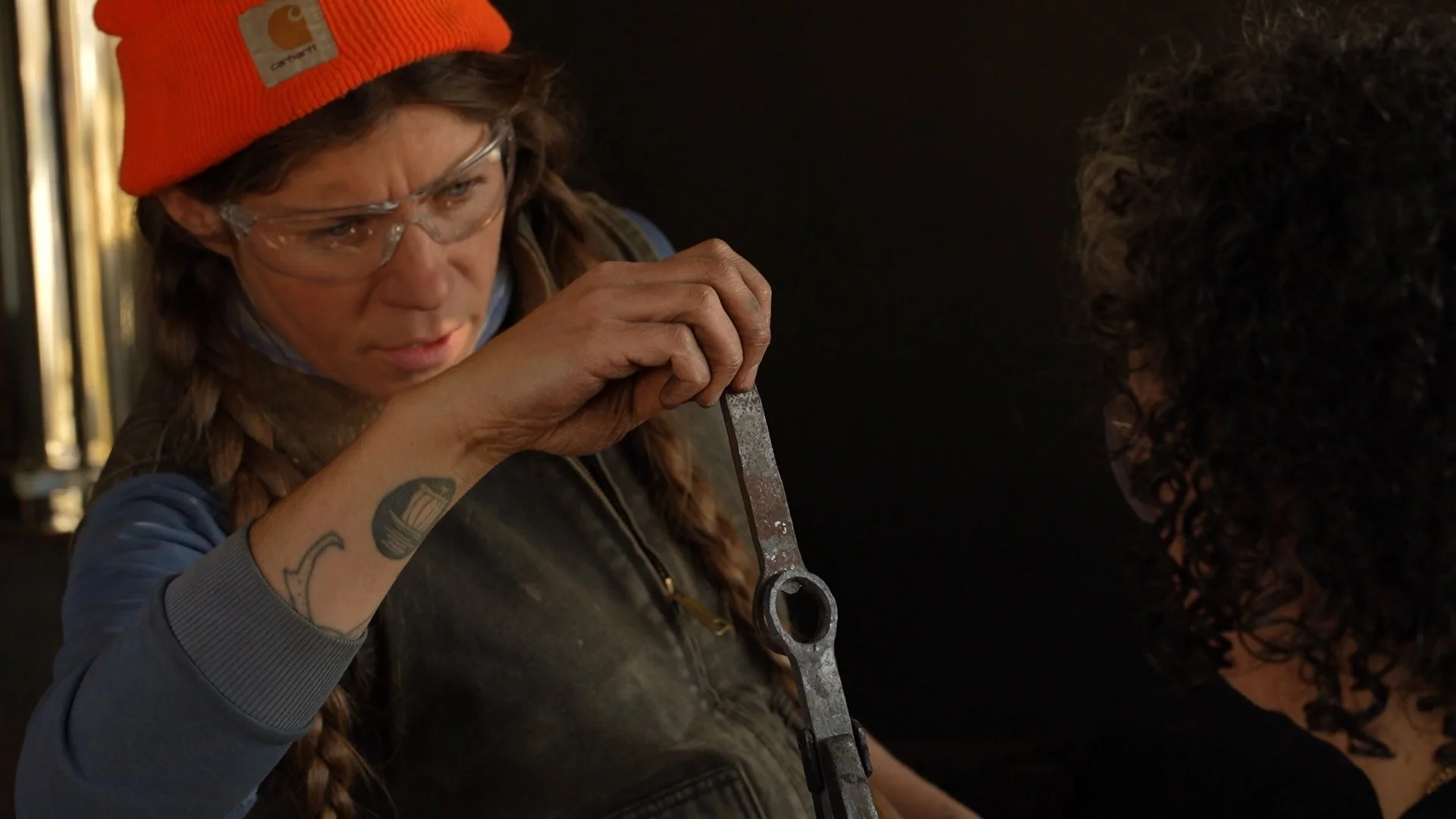
It’s an accumulation of not just skills but also symbols of the skills within the actual object that's been forged.
It’s important to have those physical objects to reflect on and see—Oh yeah, I made that.
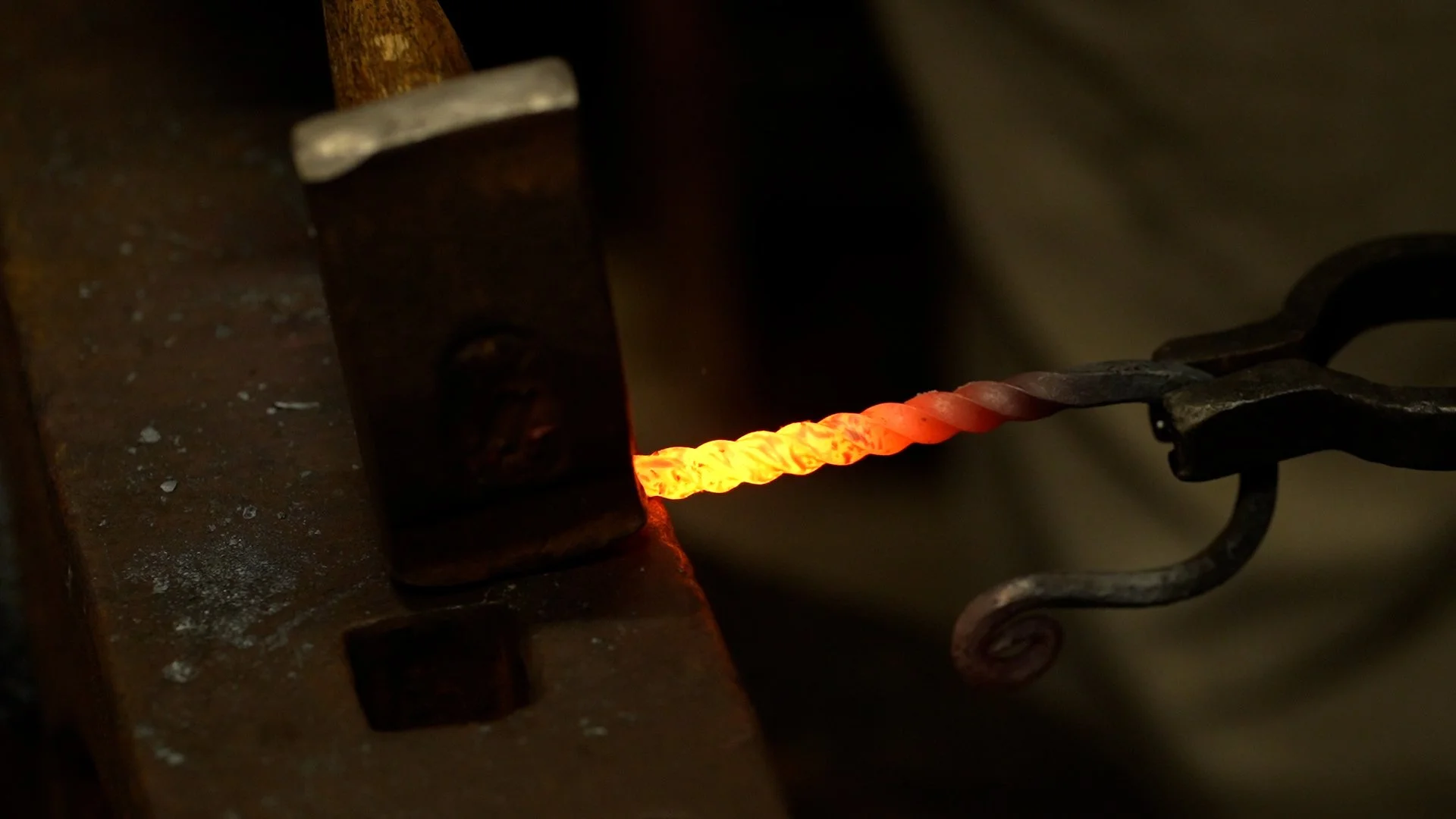
It’s beautiful
to see people testing the edge of their strength and then realizing they’re stronger than they think they are.