Meredith Hart, Custom Woodworker
My name is Meredith Hart,
and I'm a furniture maker. I have been doing that for 12 years. I generally do commission work and custom pieces out of wood.
I was always wanting to make things.
I was a classic cardboard box kid—that was the coolest thing you could have. I would have my dad cut out windows and carpets in the little house. I was always doing art and crafts.
It wasn't like my father or grandfather were woodworkers—I didn't even know that was a life.
In high school there was a shop class. I wanted to take it, but I didn't. I think I was a little too shy.
In college, I was an architecture major. I liked design and buildings, but I didn't actually love being an architecture student. I really wanted to learn how materials actually work together.
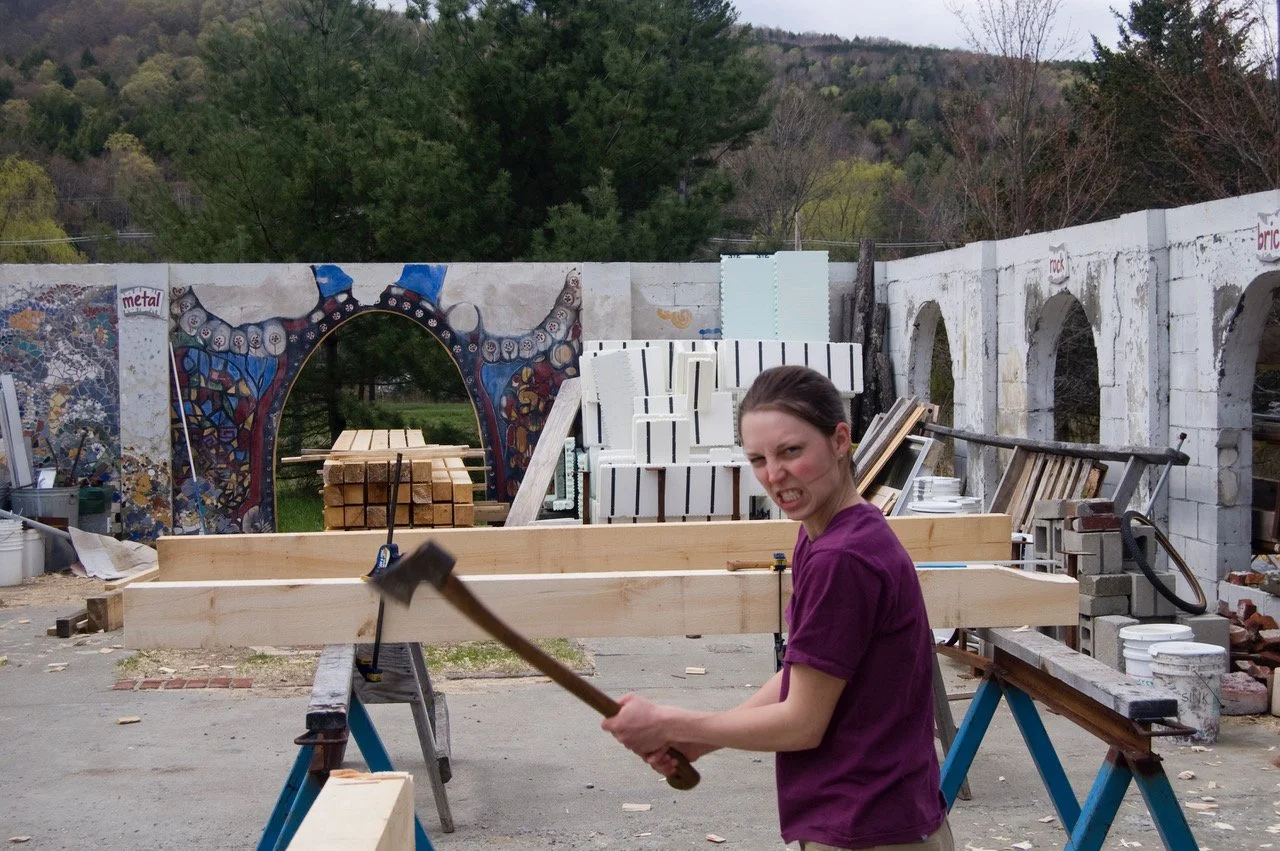
in Vermont called Yestermorrow Design Build School. I spent a year there.
I was working in town and taking classes, including carpentry, design, furniture making, and woodwork.
I found a place
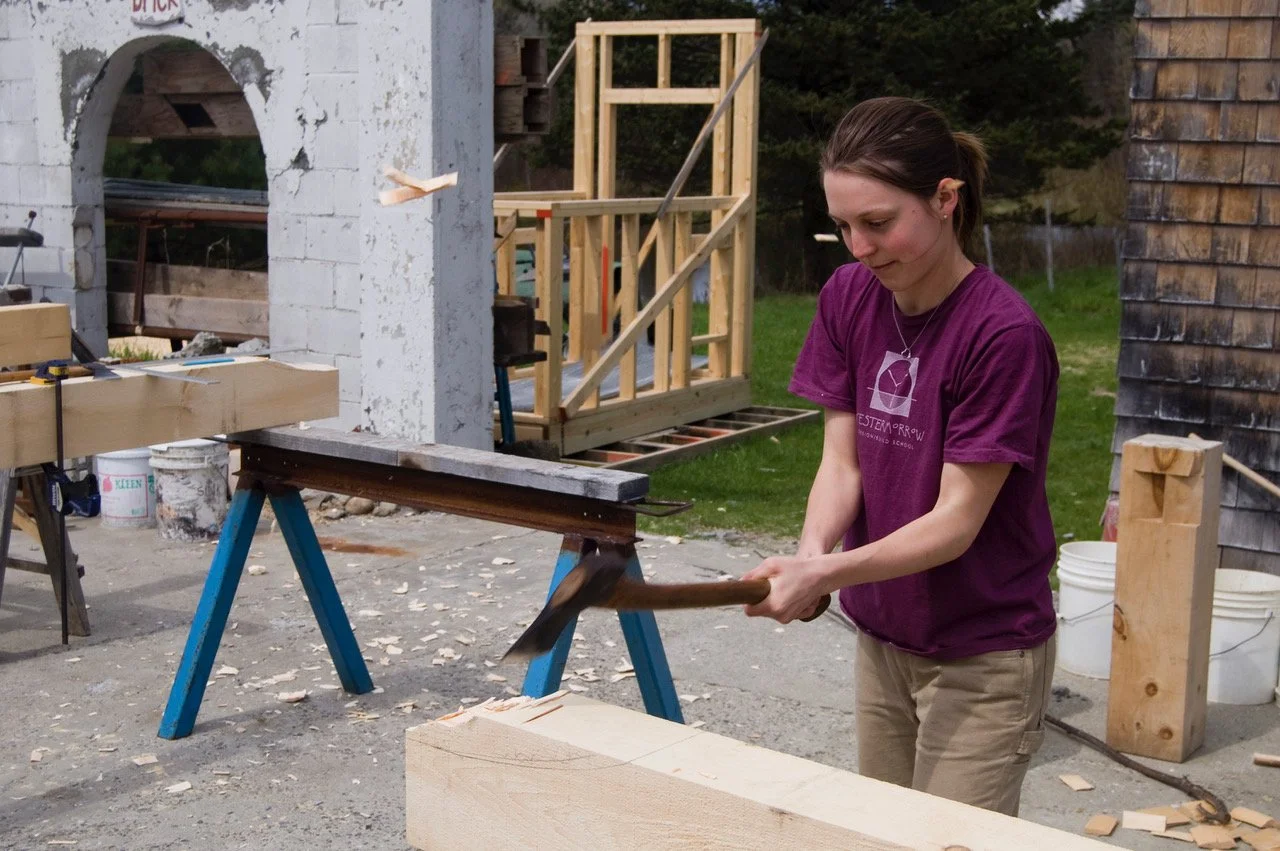
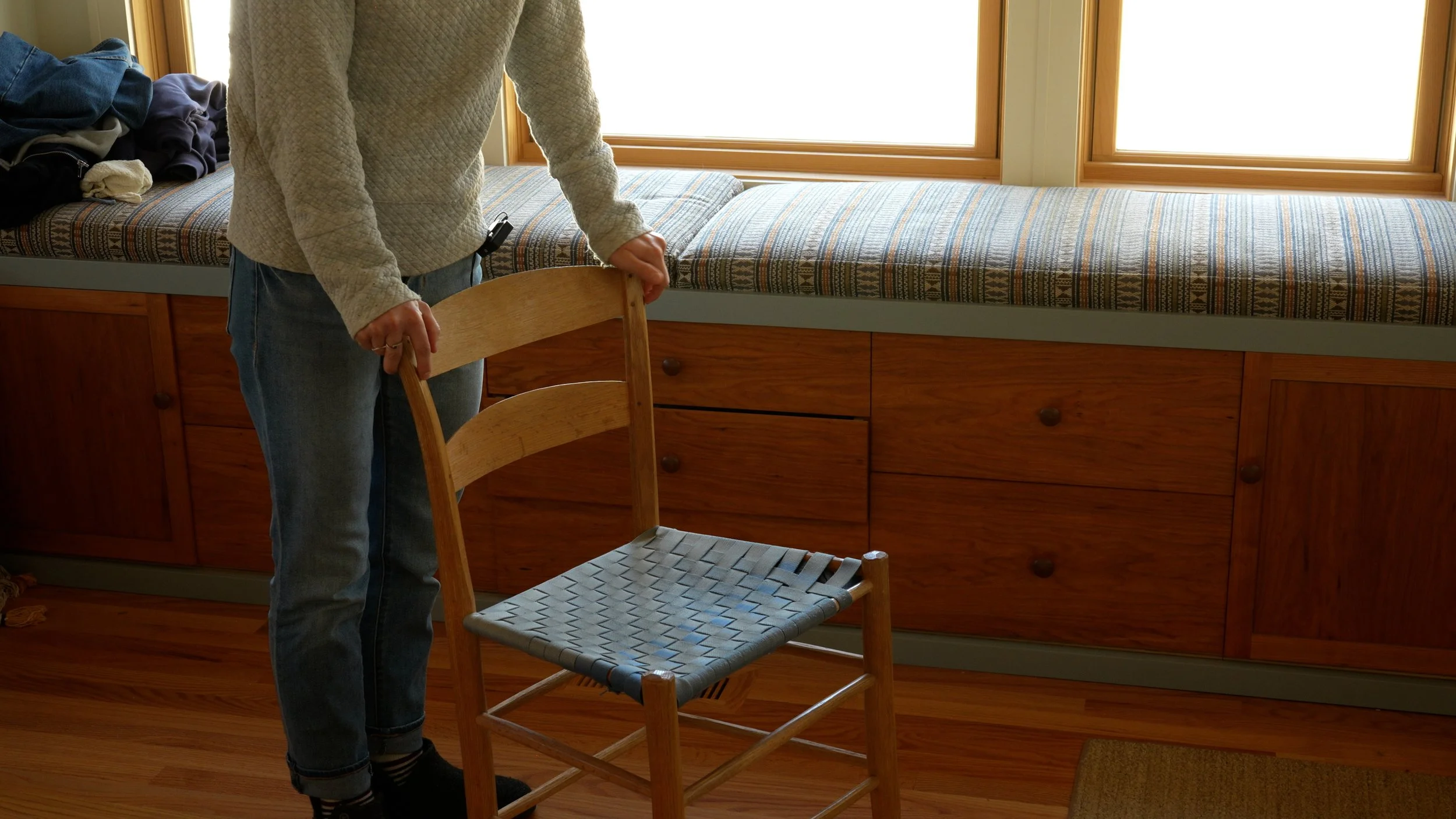
Once I got to Yestermorrow and actually built a chair, that was the first time I felt like—this is a thing I can do well.
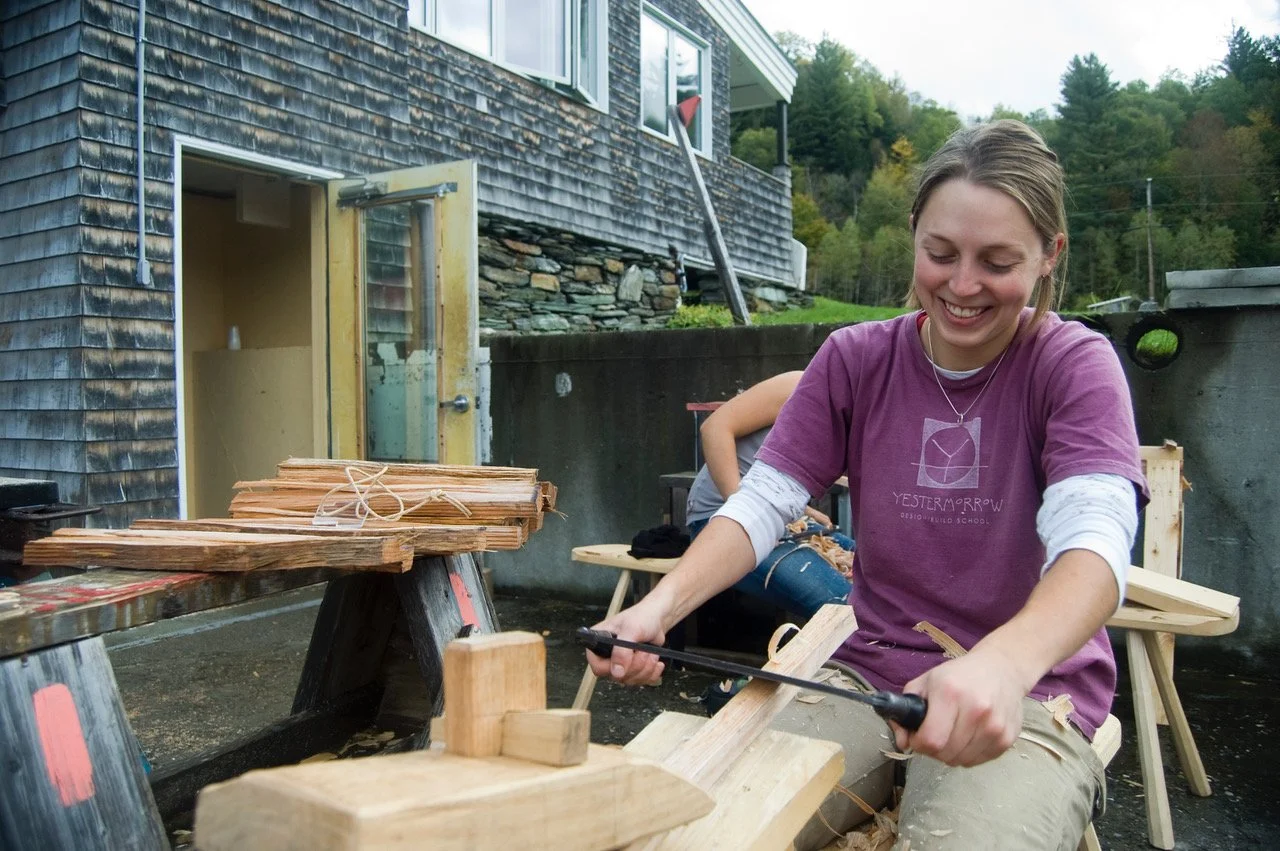
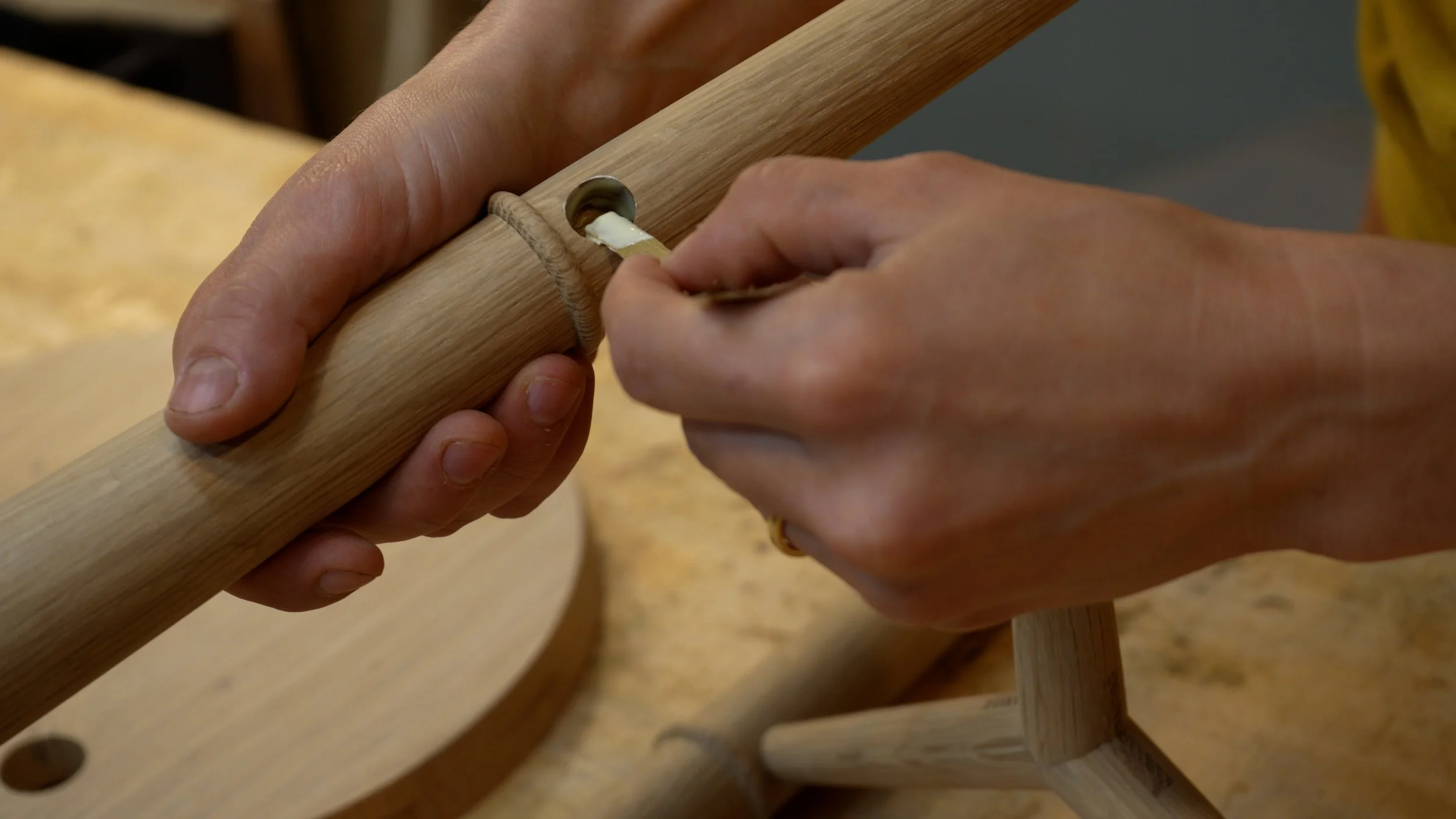
It was green woodworking, so this satisfying feeling of riving wood, spoke-shaving it, bending it. Learning body position and focus and trying to be precise with dimensions.
It felt good to be using tools—a thing that I can use to manipulate a material and actually get a good result.'
So, I applied for North Bennet Street School in Boston.
It was a two-year program full time.
It's all bench work the whole time. There's no writing, and there's really no design. It's just learning as many skills as possible.
You do a nightstand, a toolbox, a chair, a table, and a case piece.
They teach you how to draw and how to use machines and use hand tools. You draw things that already exist. You need to see all the joinery that you can't see in real life—all the details.
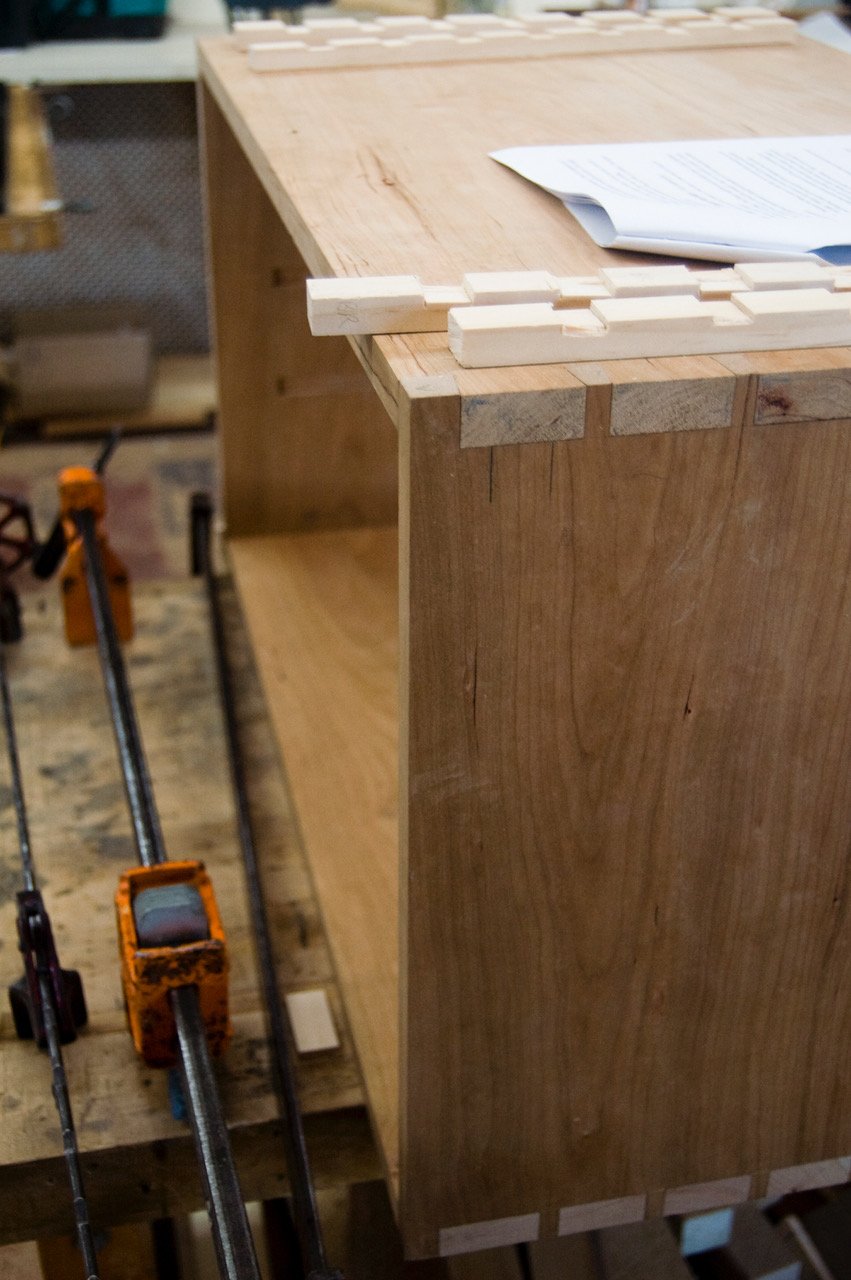
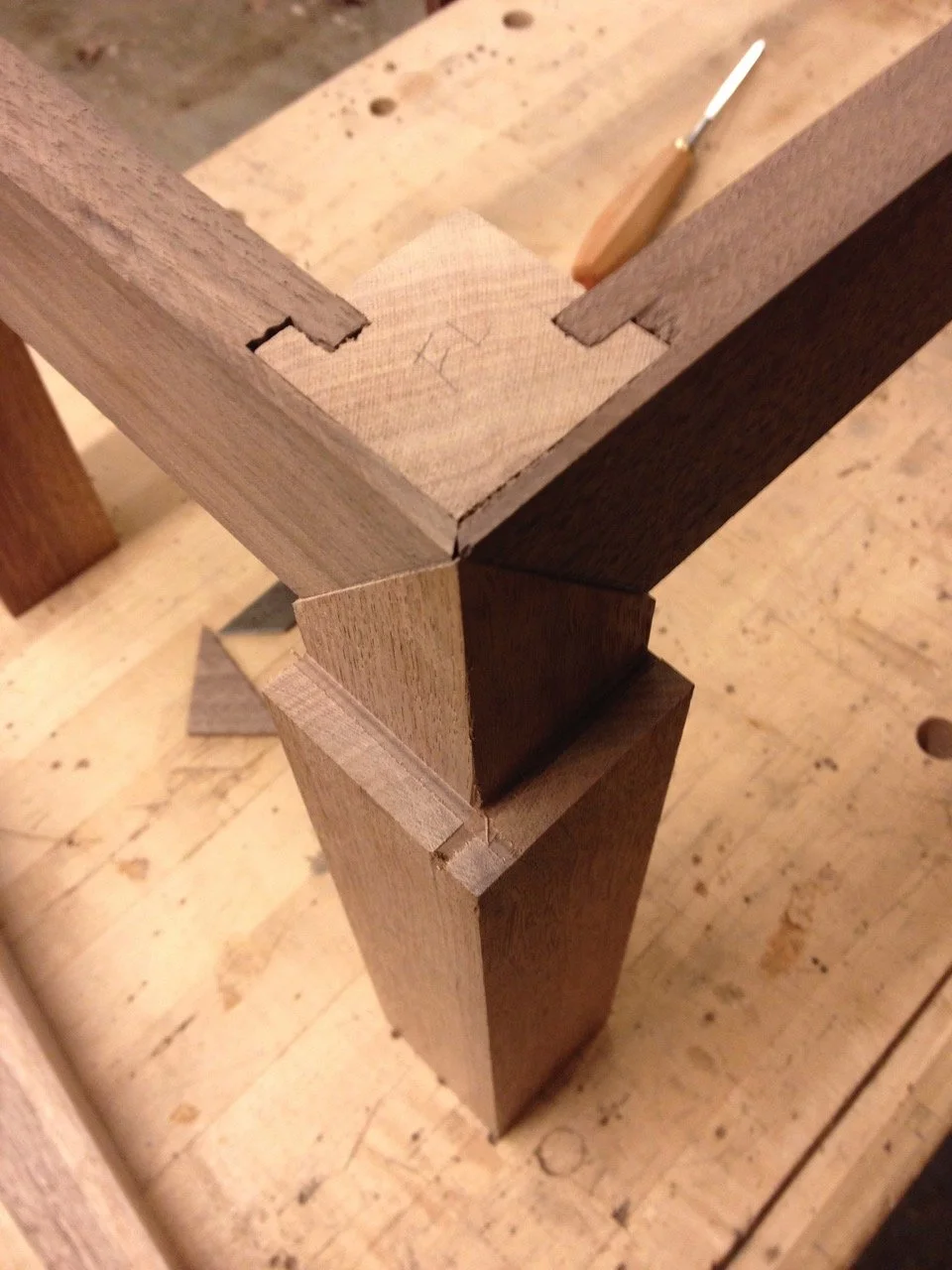
You have to make practice joints—laps, mortises and tenons, and dovetails. I was initially like—am I going to be really bad at this? It’s pretty consistent where the first time I try something it’s pretty bad, and I'm behind because I just don’t know.
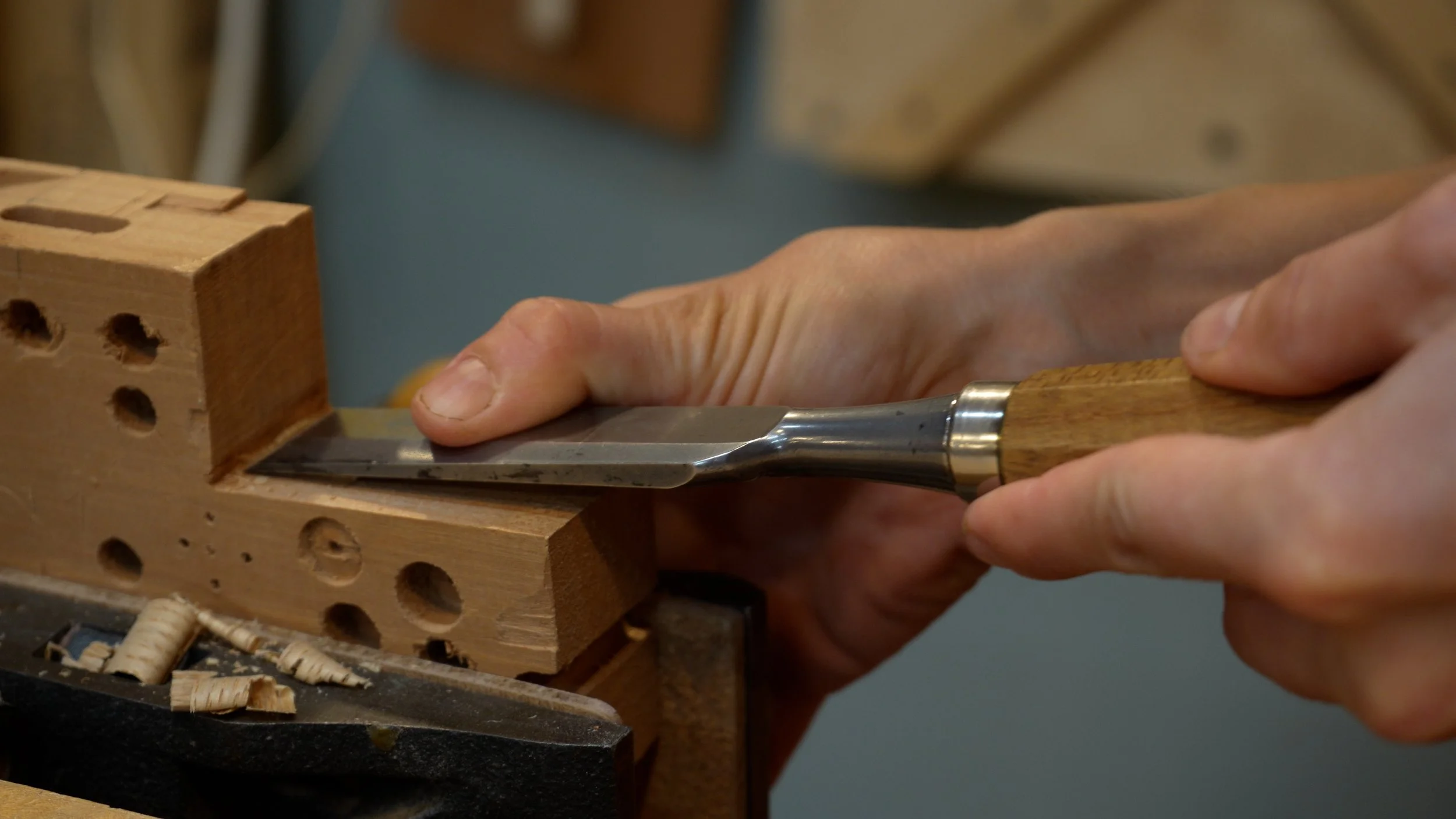
I didn't know you're not supposed to bend your chisel in a way where it's going to bruise the shoulder.
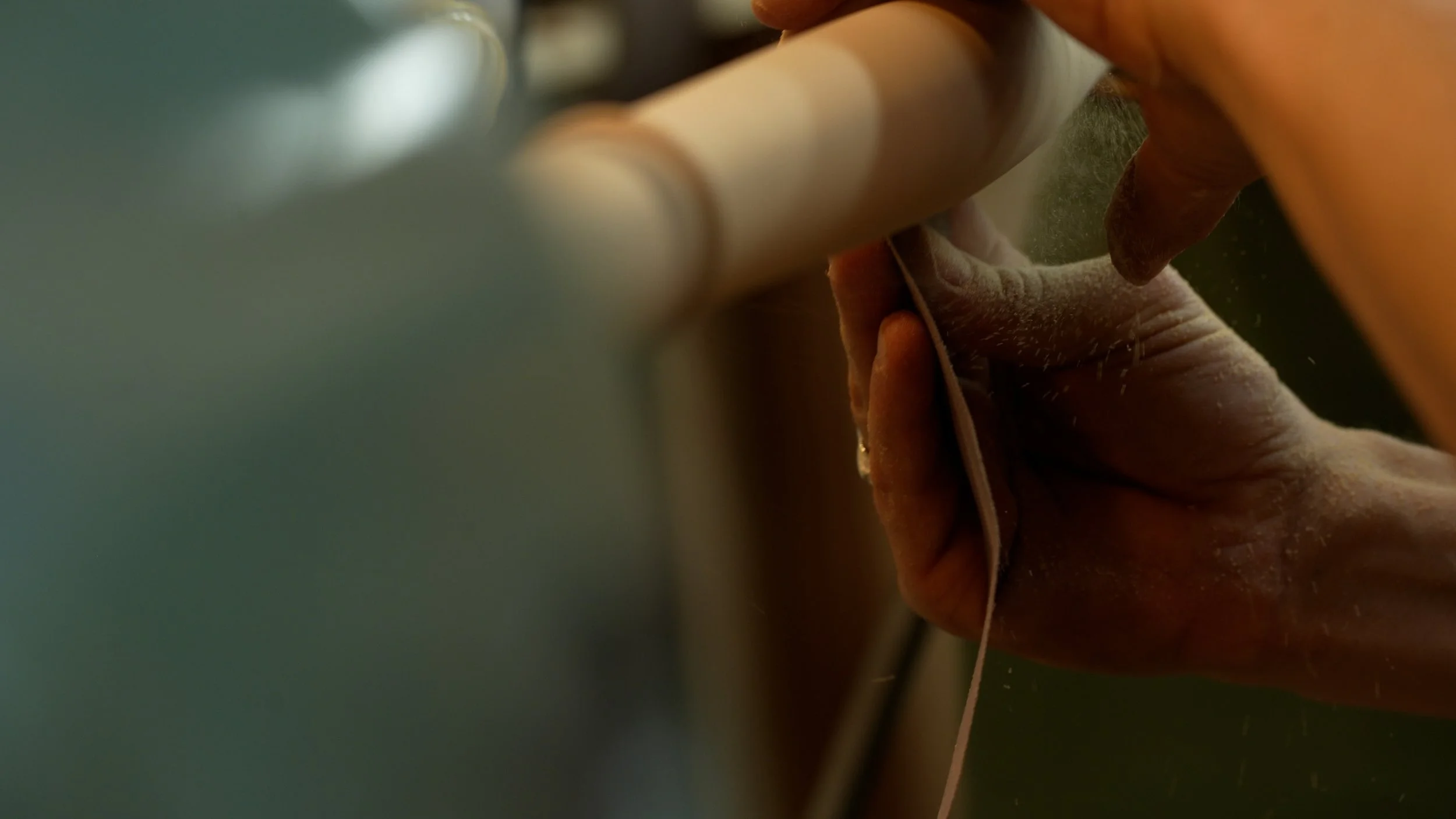
There’s an
understanding that you have to get to—a back and forth between what the wood is doing and what the tool is doing. I didn't have that intuitively.
But eventually
with enough practice and enough seeing it—because I really need to see it and understand it—it became easier, and the learning curve tapered off.
I knew I could improve because I could see myself improving.
I've gotten to the point where I know I will get better at something if I just keep trying.
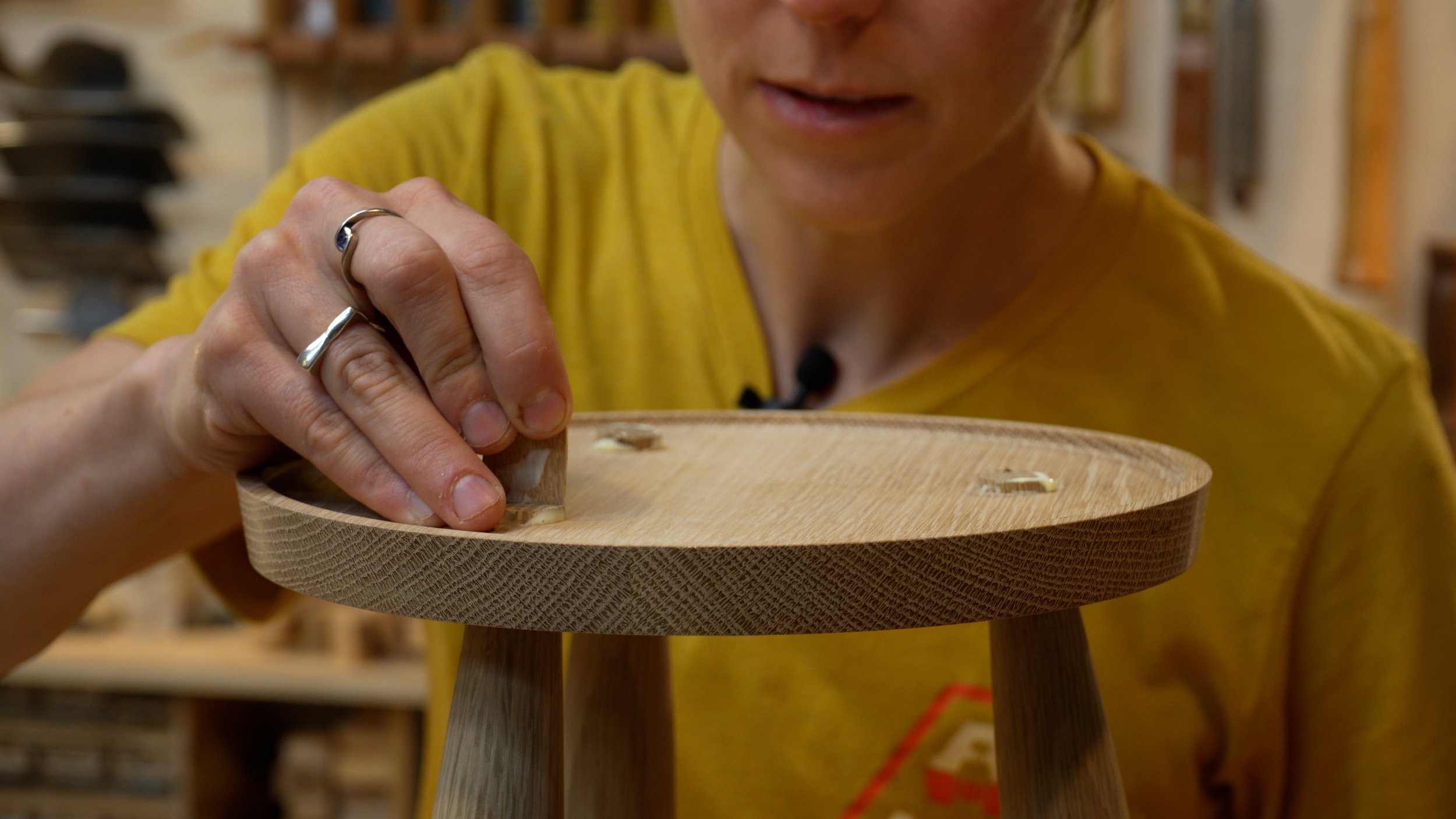
The learning process
helps clarify how to use tools in the right way. All the tools were new to me—from power tools to hand tools.
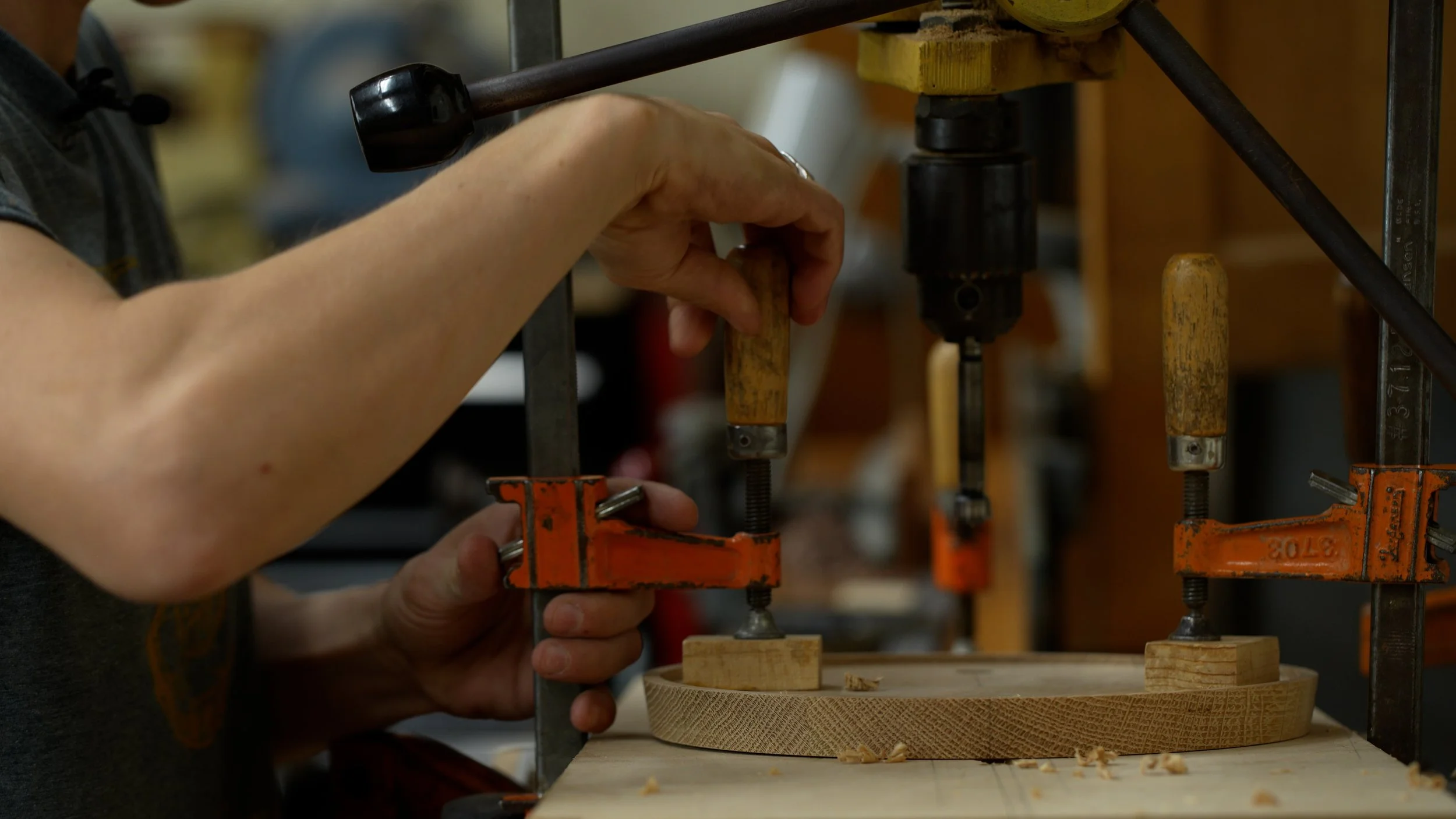
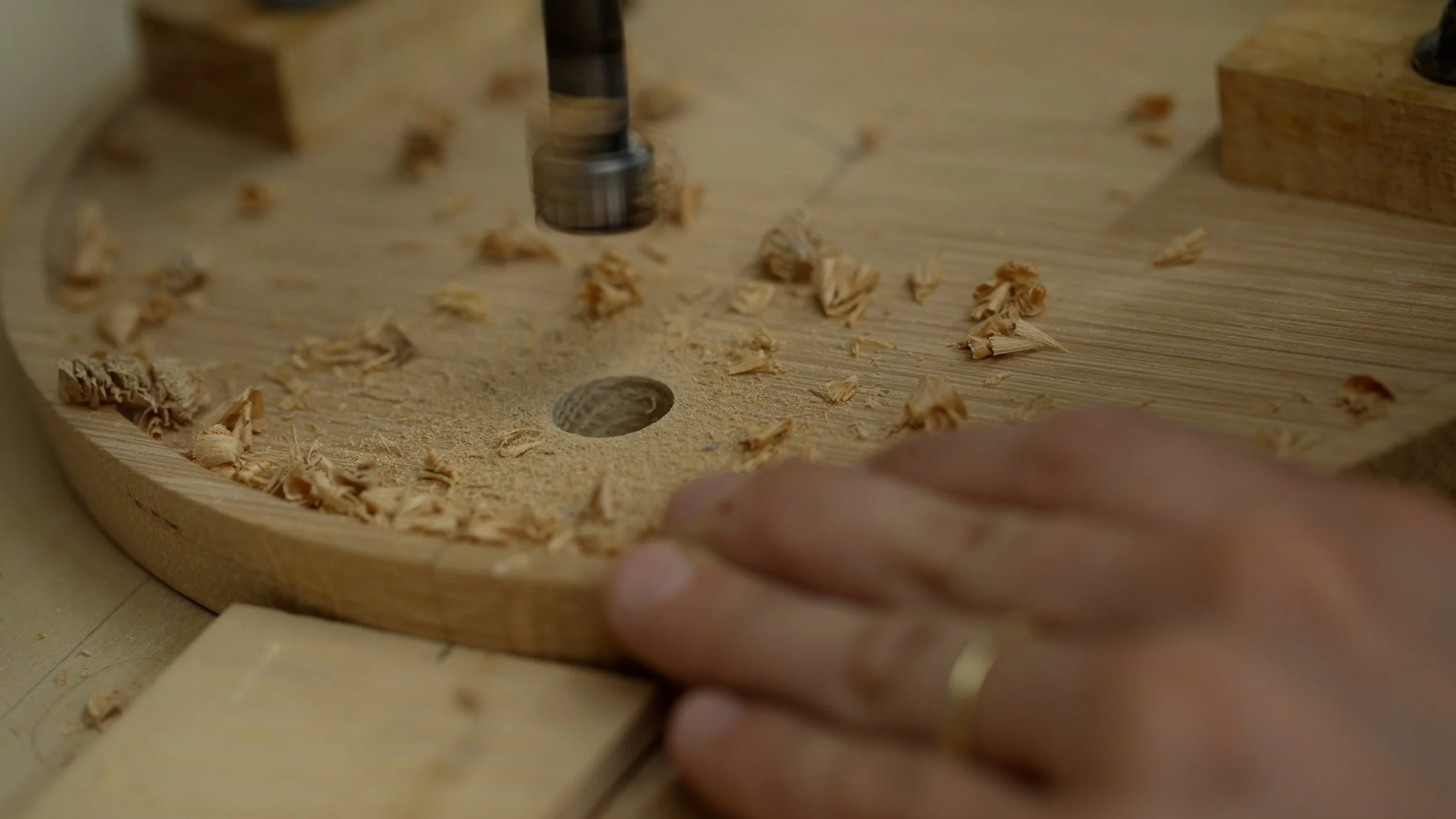
You in real time get to affect the look of the wood, and you get to understand how the fibers of the wood work based on the tools you're using.
You might pull up too much and you have to turn the wood around.
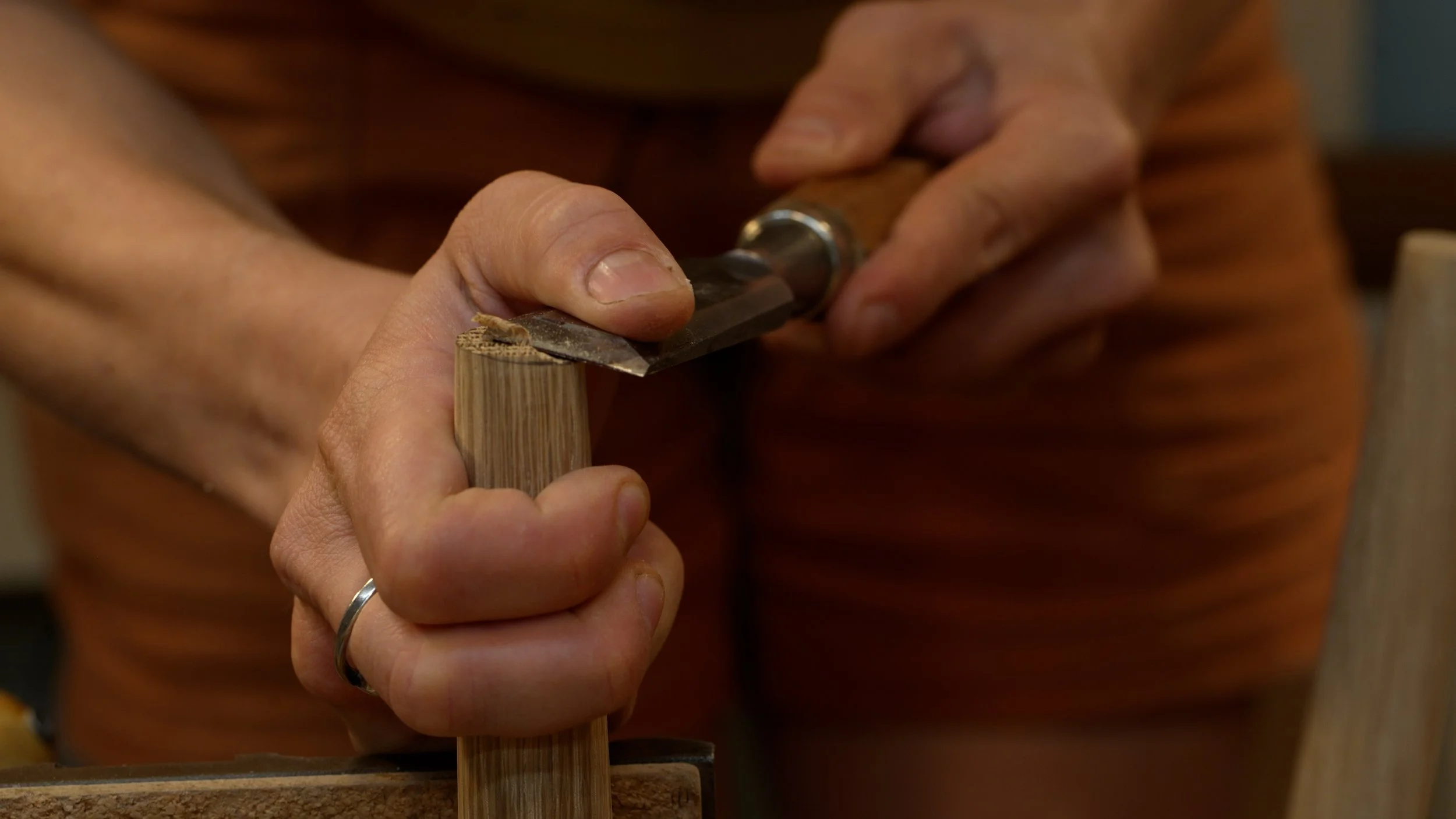
I started learning how to use the chisel—actually paying attention to what I was doing.
There's an art of seeing—a development in your ability to see what's good and what could be better.
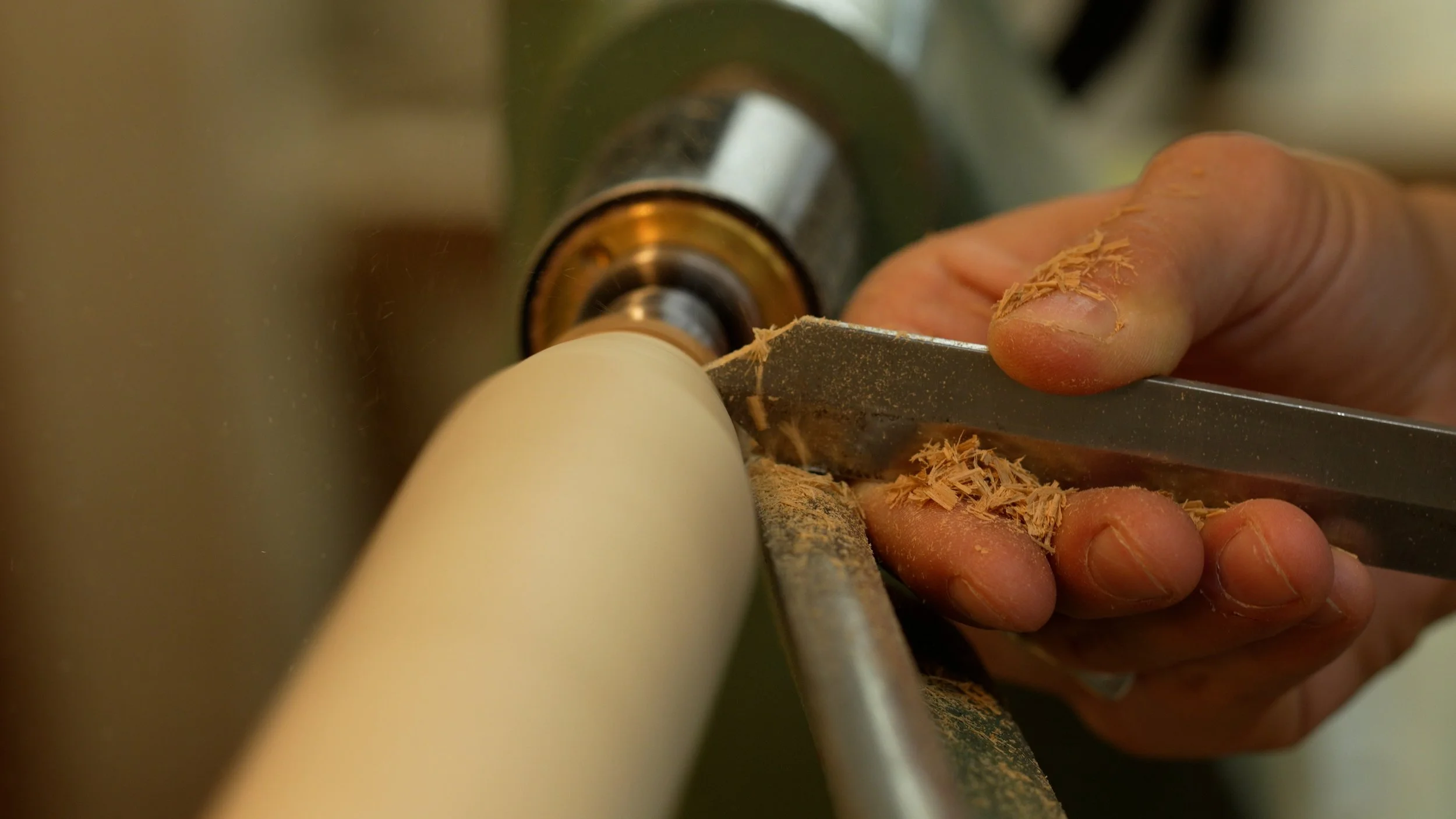
Using a chisel for three days straight, there is a stepping over where you realize—Oh, I know exactly how I need to do this without thinking about it.
Your hands just do the thing. So much of it is repetition and a desire to be good at it.
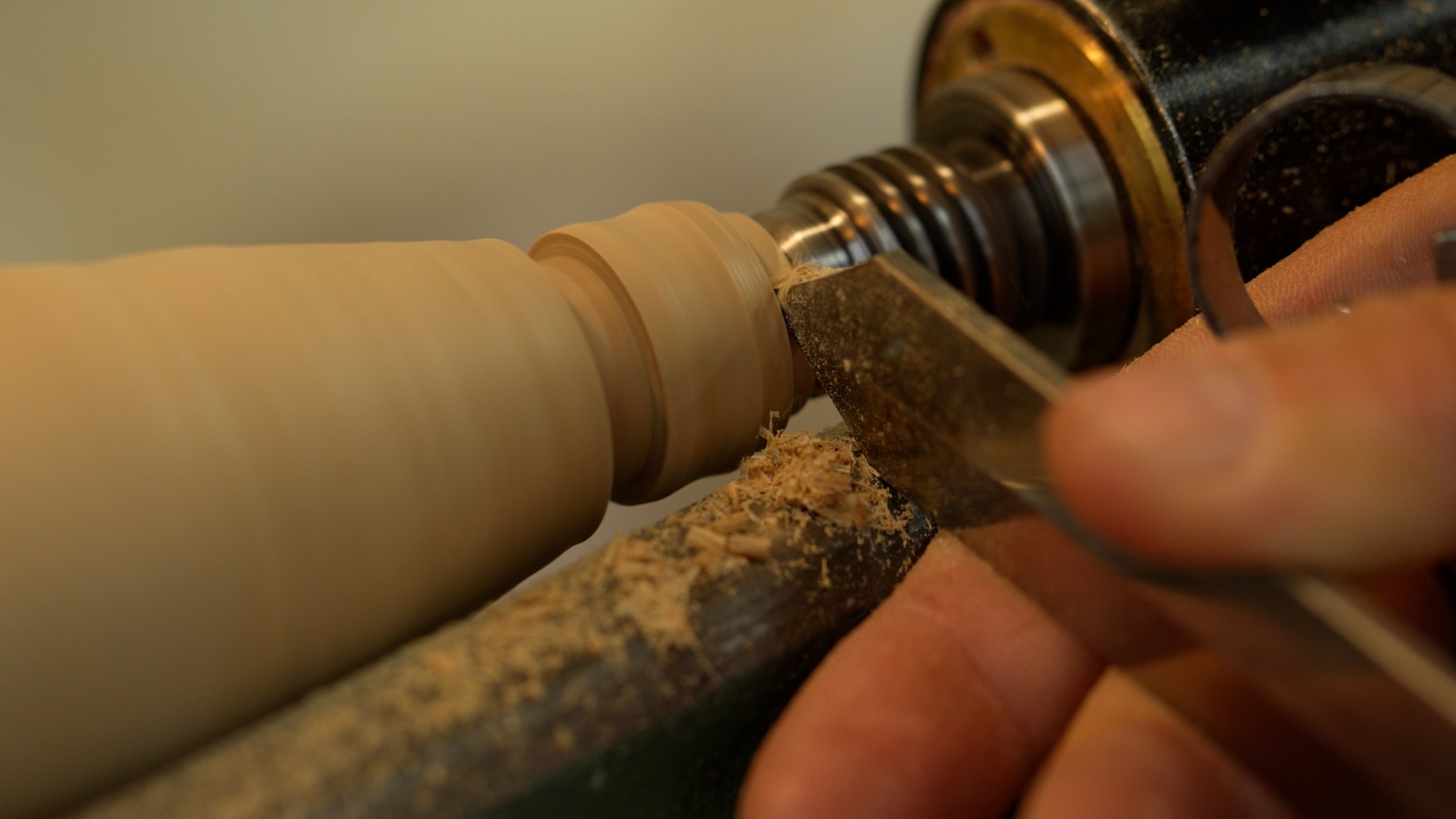
It felt like
I had a career I could commit to it.
Even if it's challenging as a career and there's not a straightforward path, it felt worth trying—like there was always something to learn.
So I moved down here and started working.
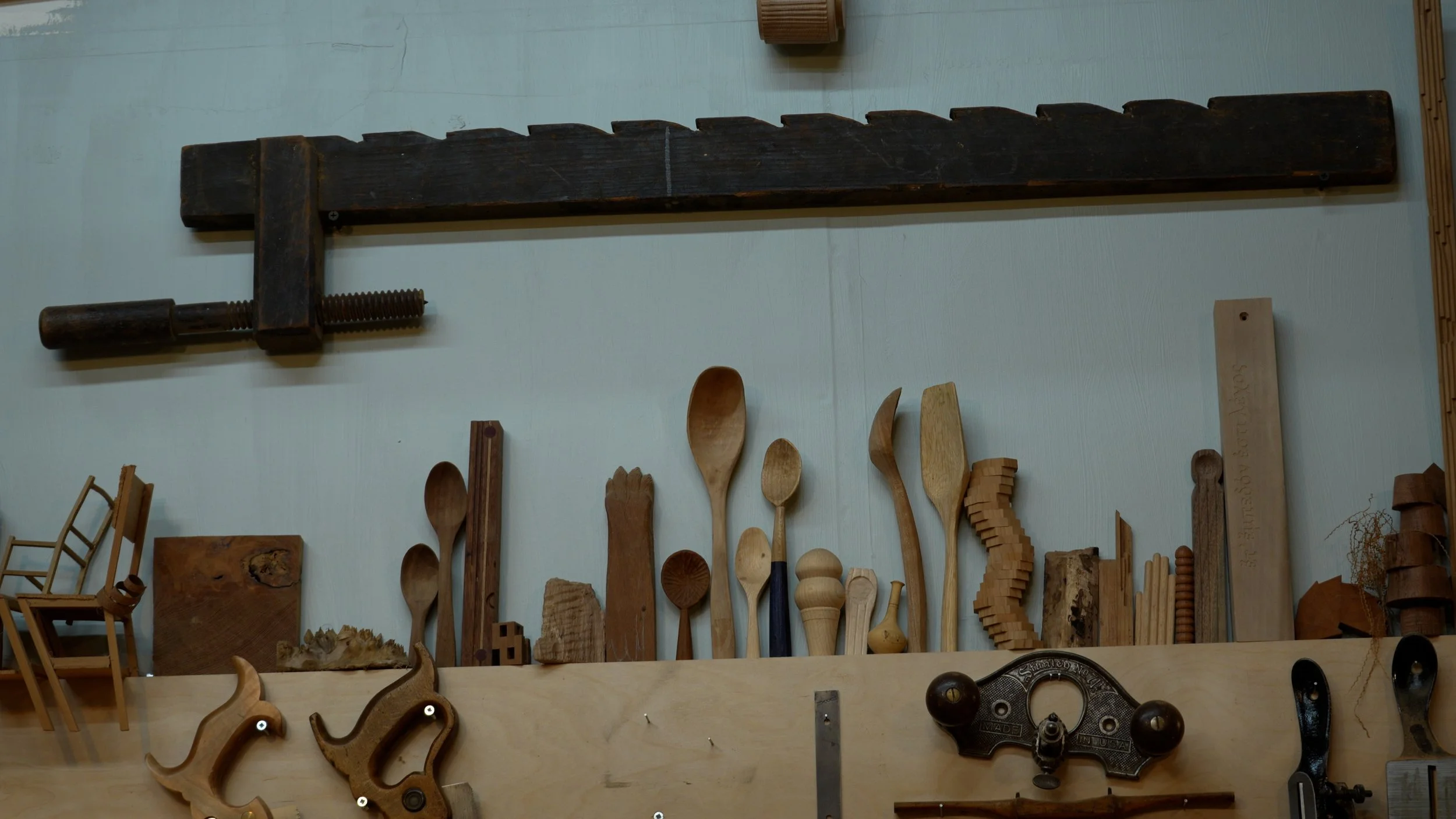
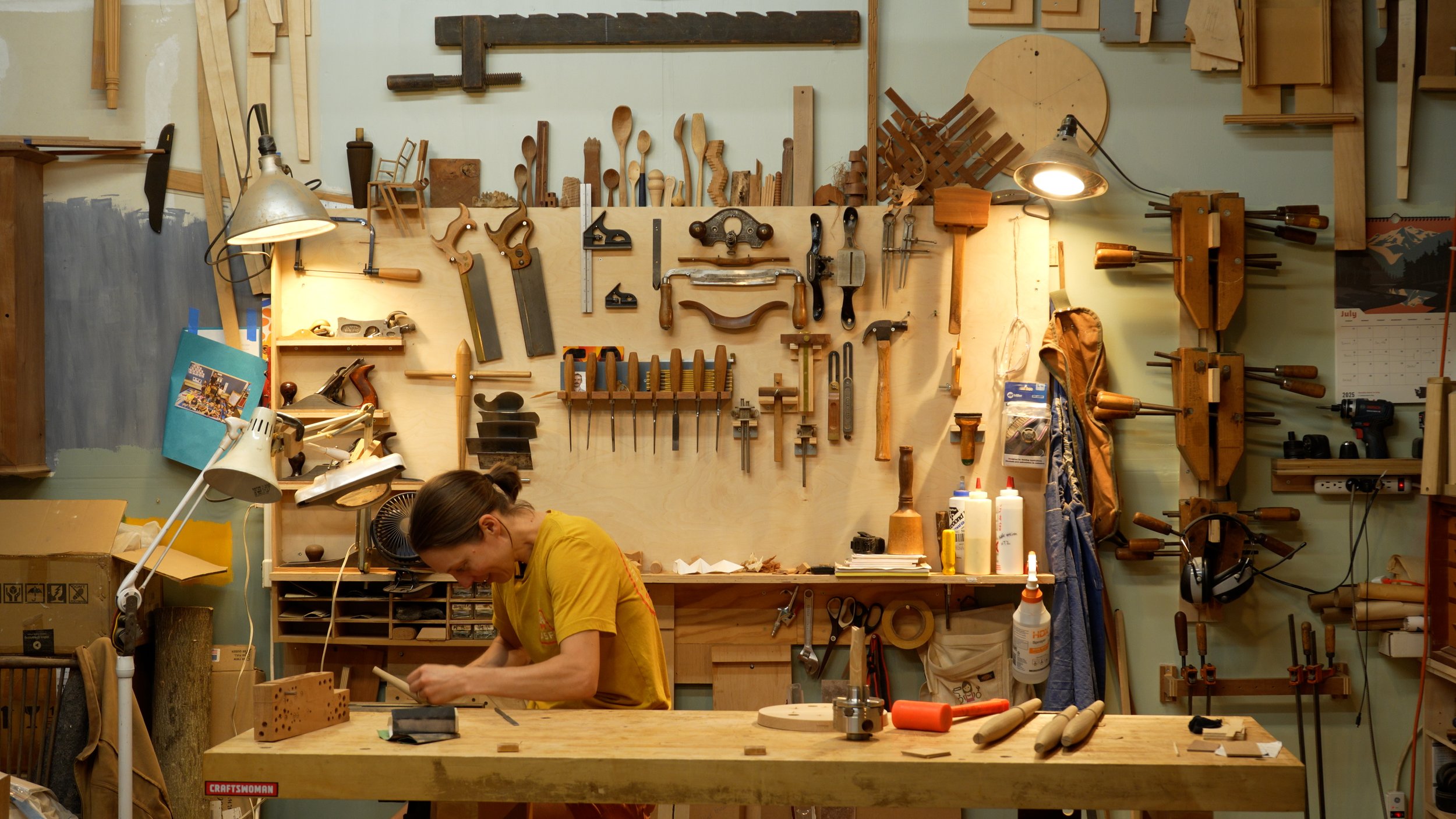
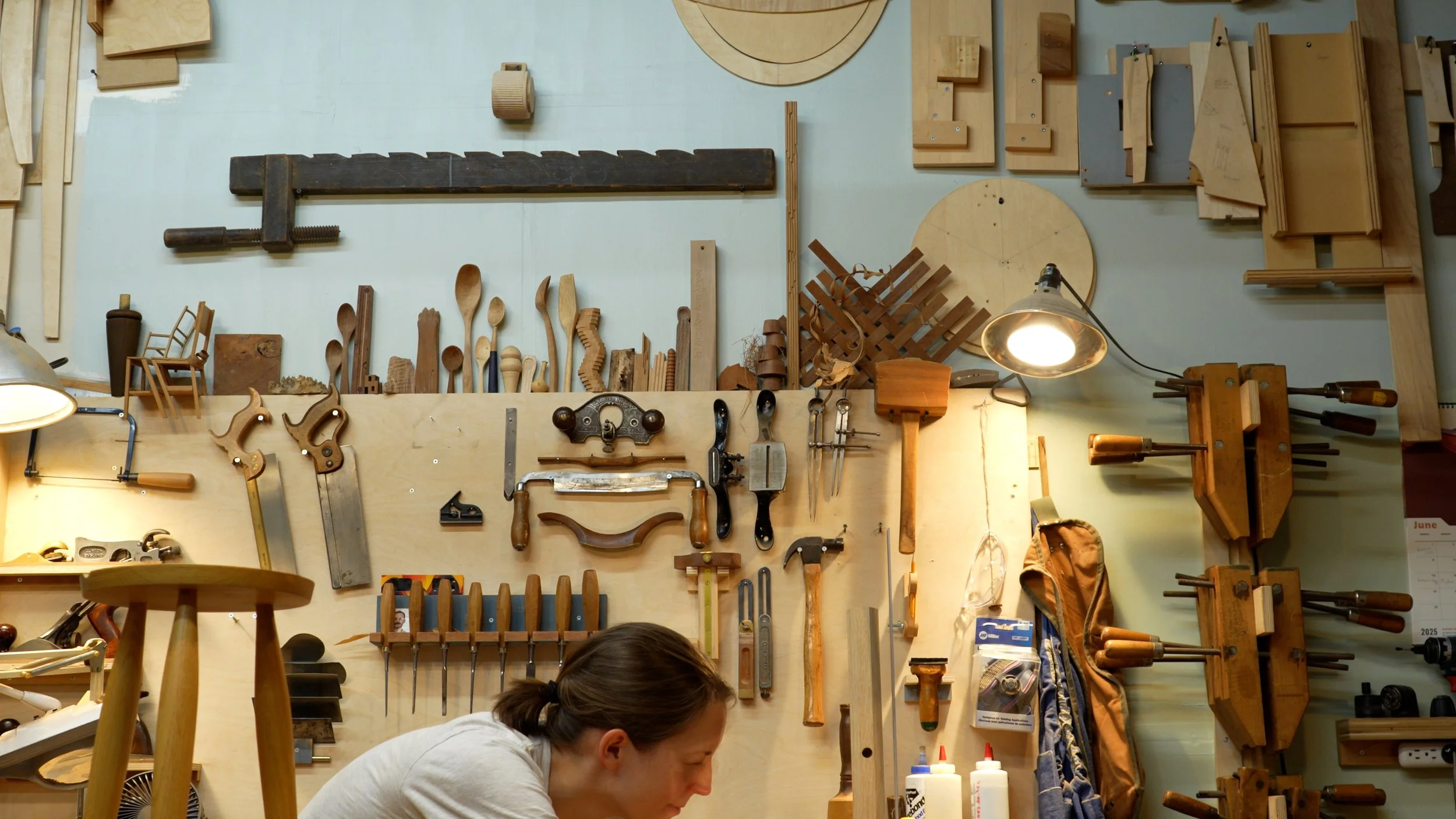
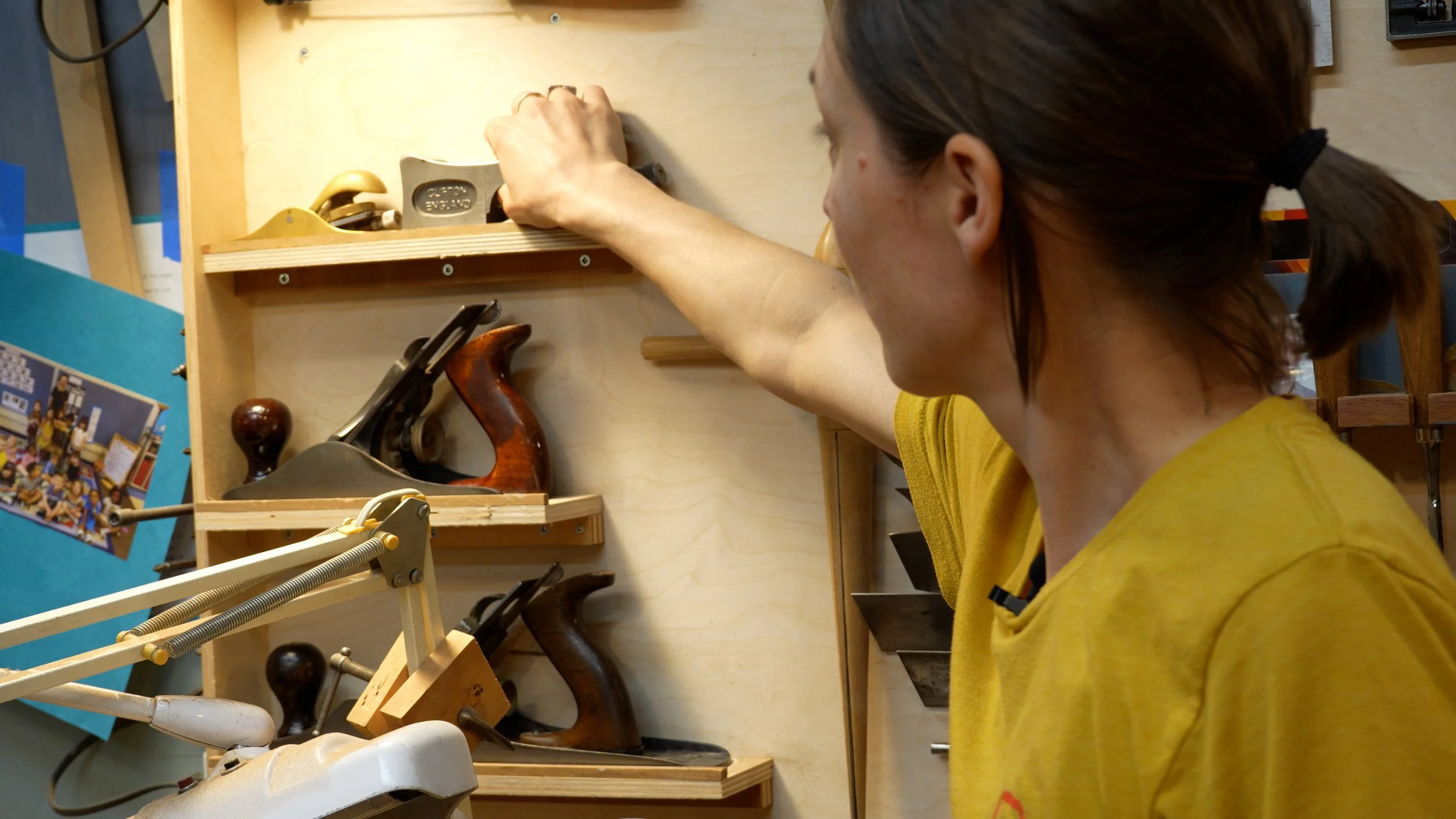
I don’t really collect tools.
For me, you have a good couple of planes, a set of chisels. It's a matter of being really good at using the ones that you need—the basic stuff.
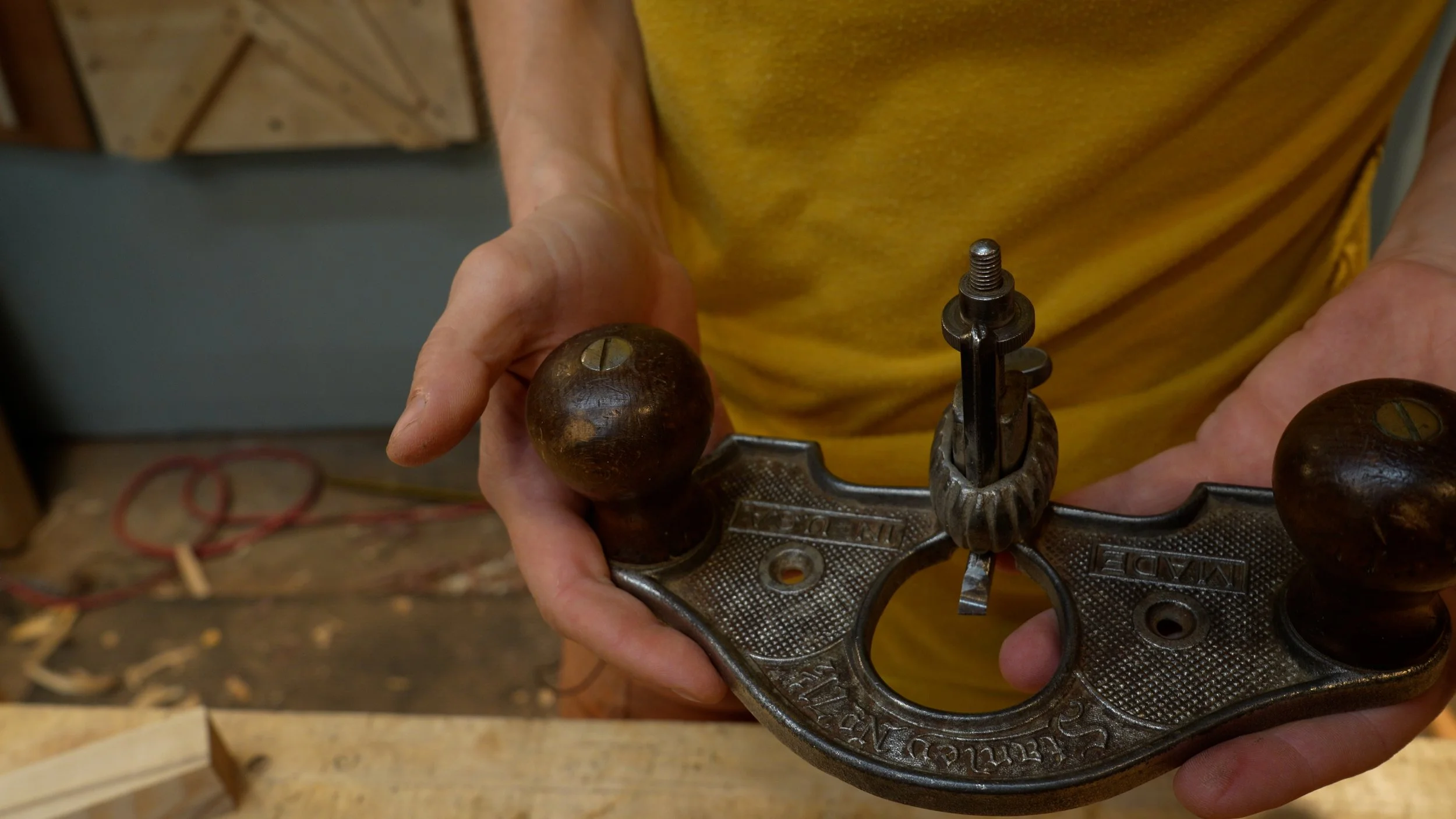
I like the
router plane. It’s a flat-bottomed tool with two handles, and there’s a little blade that sits below it. If you need to make a groove, you can use it for that. I got this at an antique tool fair in New Hampshire.
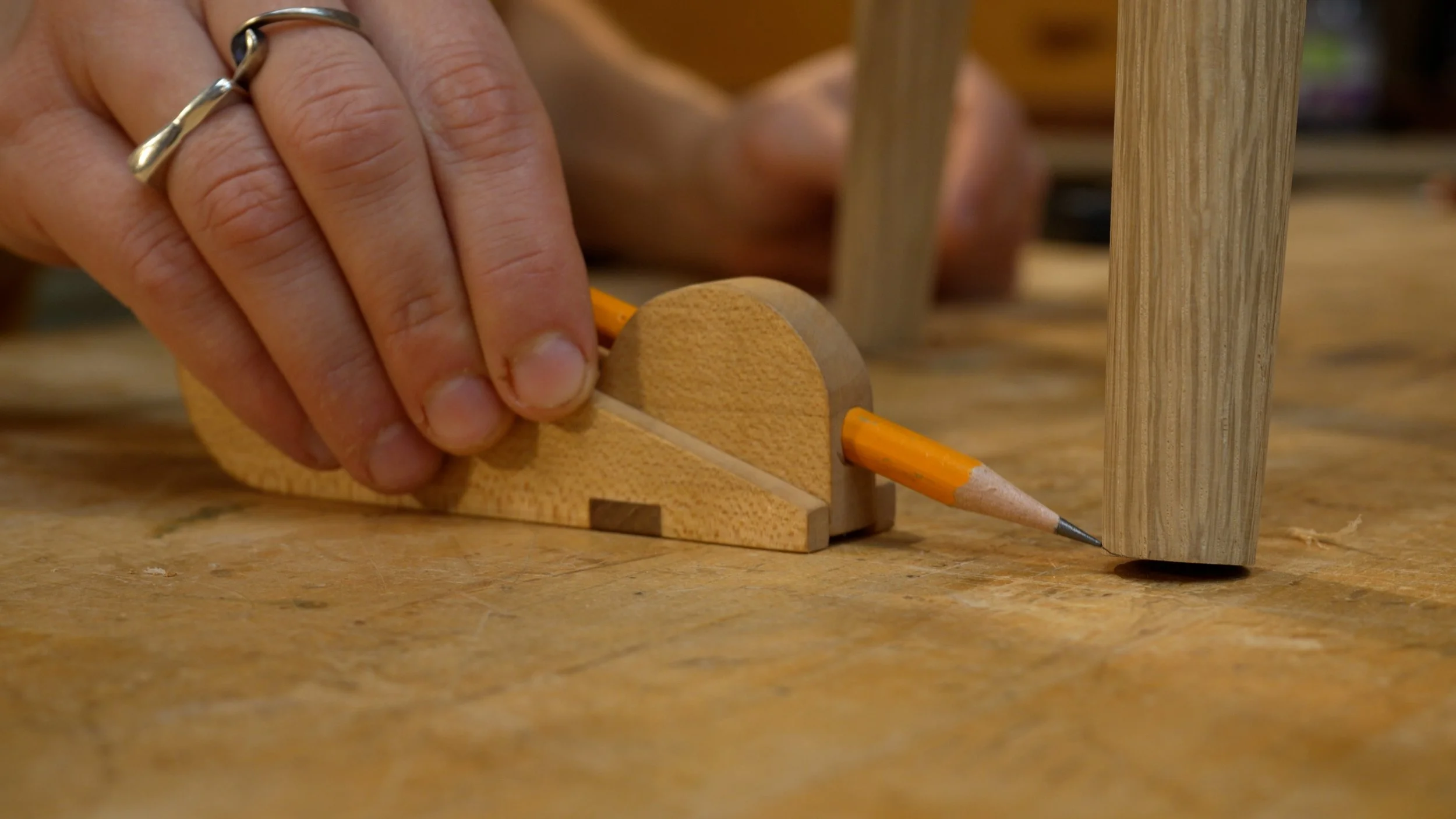
Here’s a fun tool.
It’s called a duck-billed scriber, because it must look like a duck. It’s a little handmade tool. I learned how to do it as school and made it later
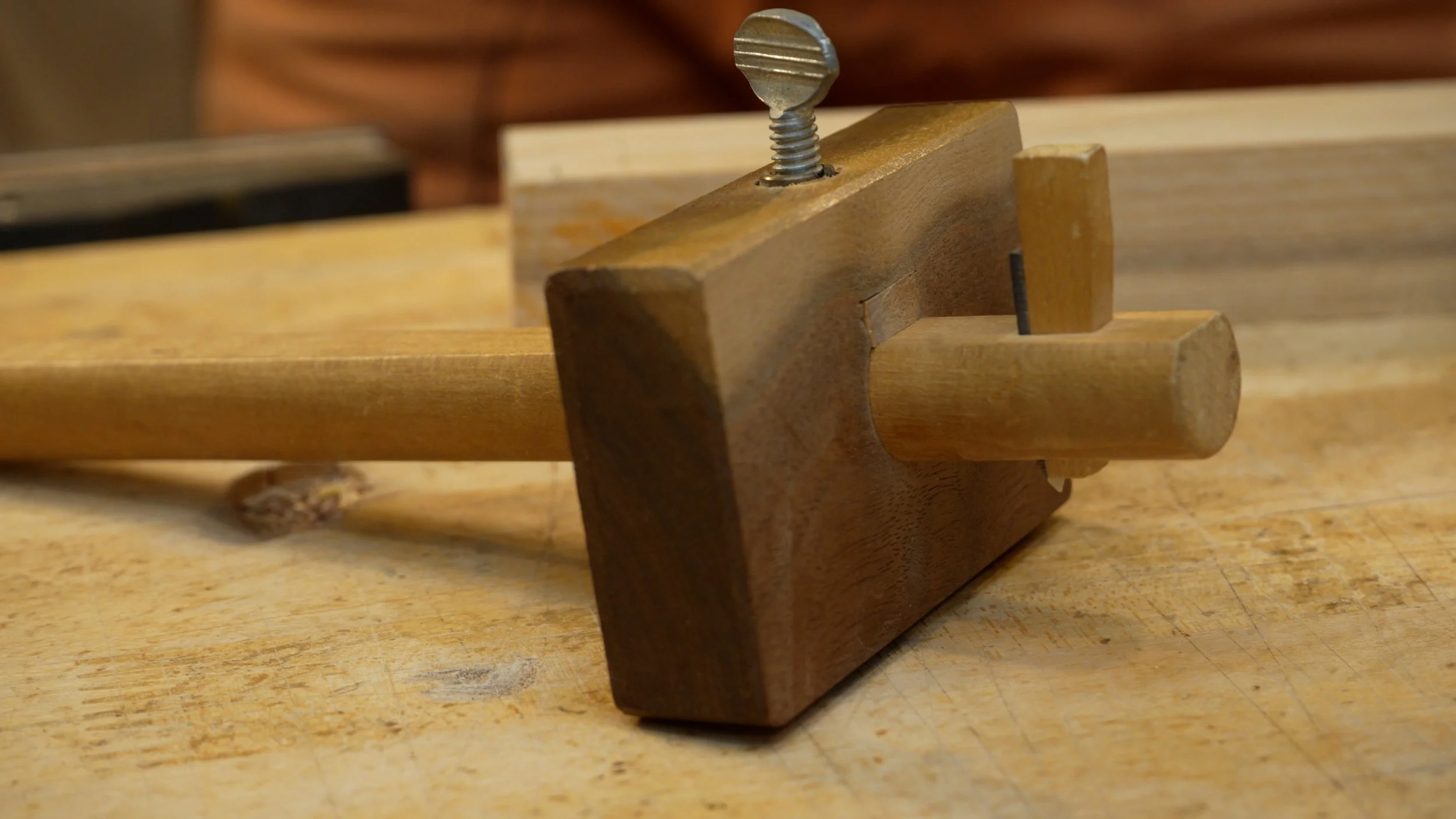
I made this
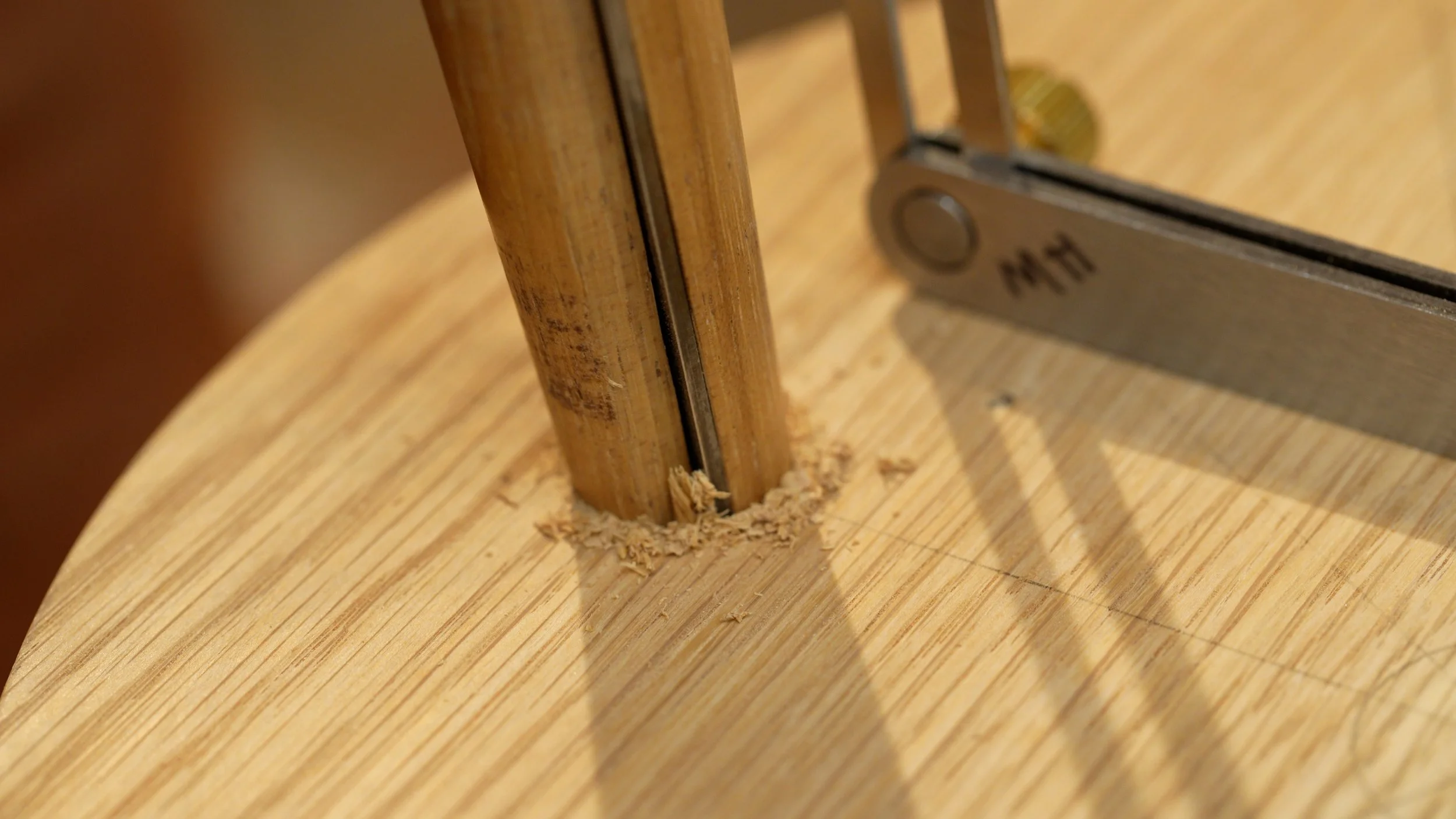
at school, too. It’s a reference surface and a blade. When you need to mark for dovetails, you can run it along an edge and cut a knifeline. I use it all the time.
There are a lot of
instances where the hand tool is more efficient and even more accurate than a power tool, unless you're doing a thousand of something and then you want to use power tools.
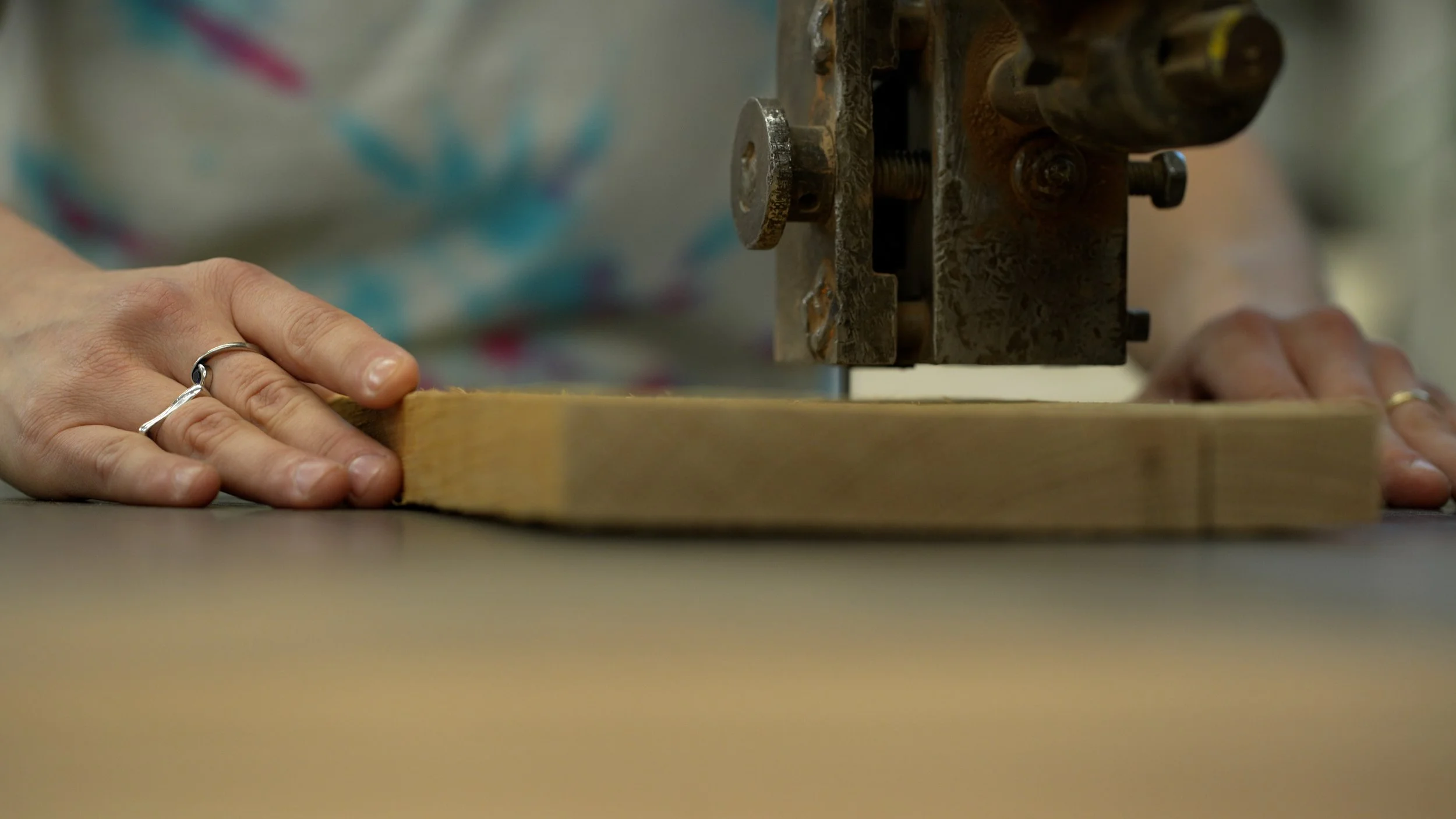
I very much appreciate power tools, and I use them all the time.
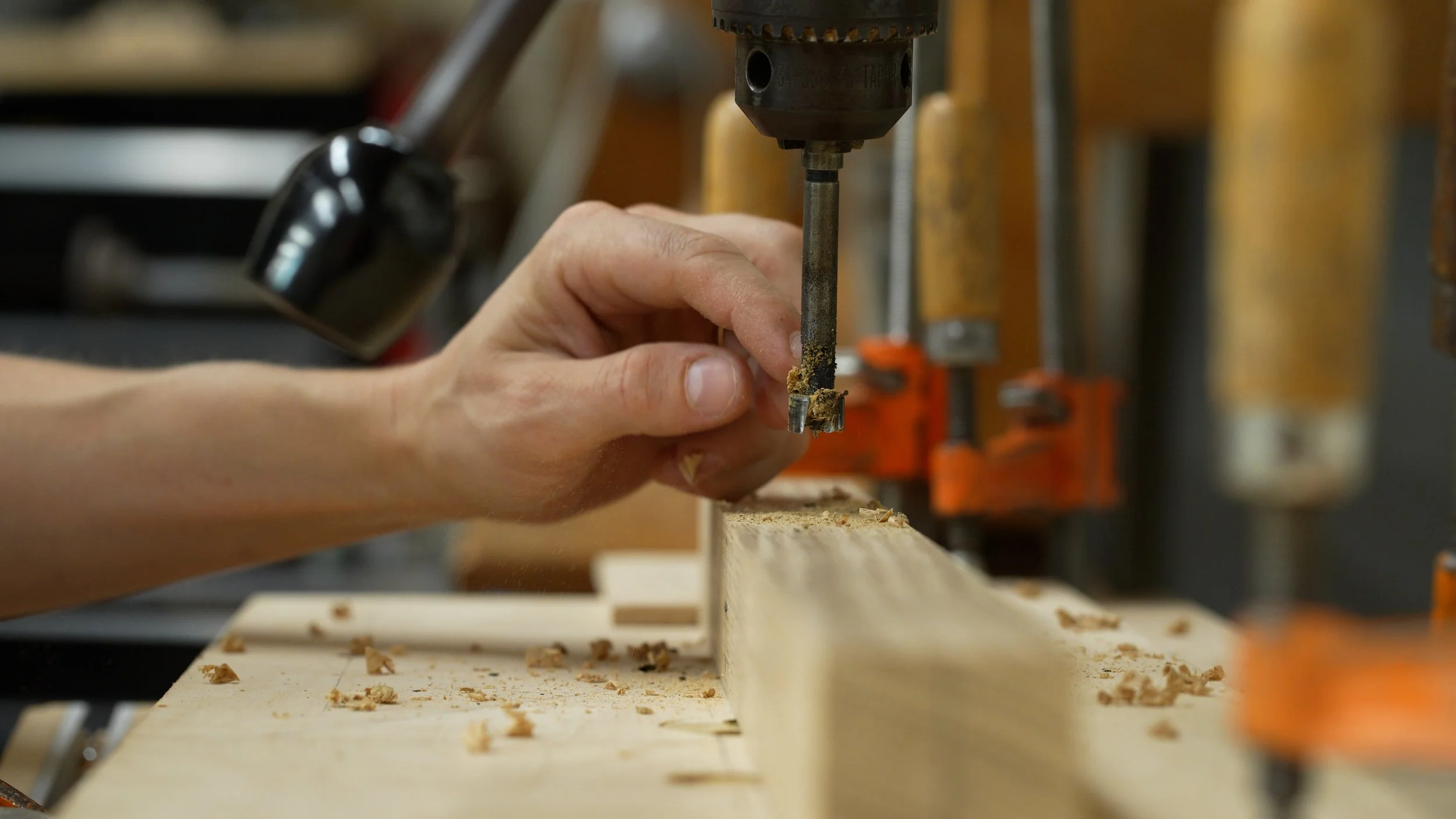
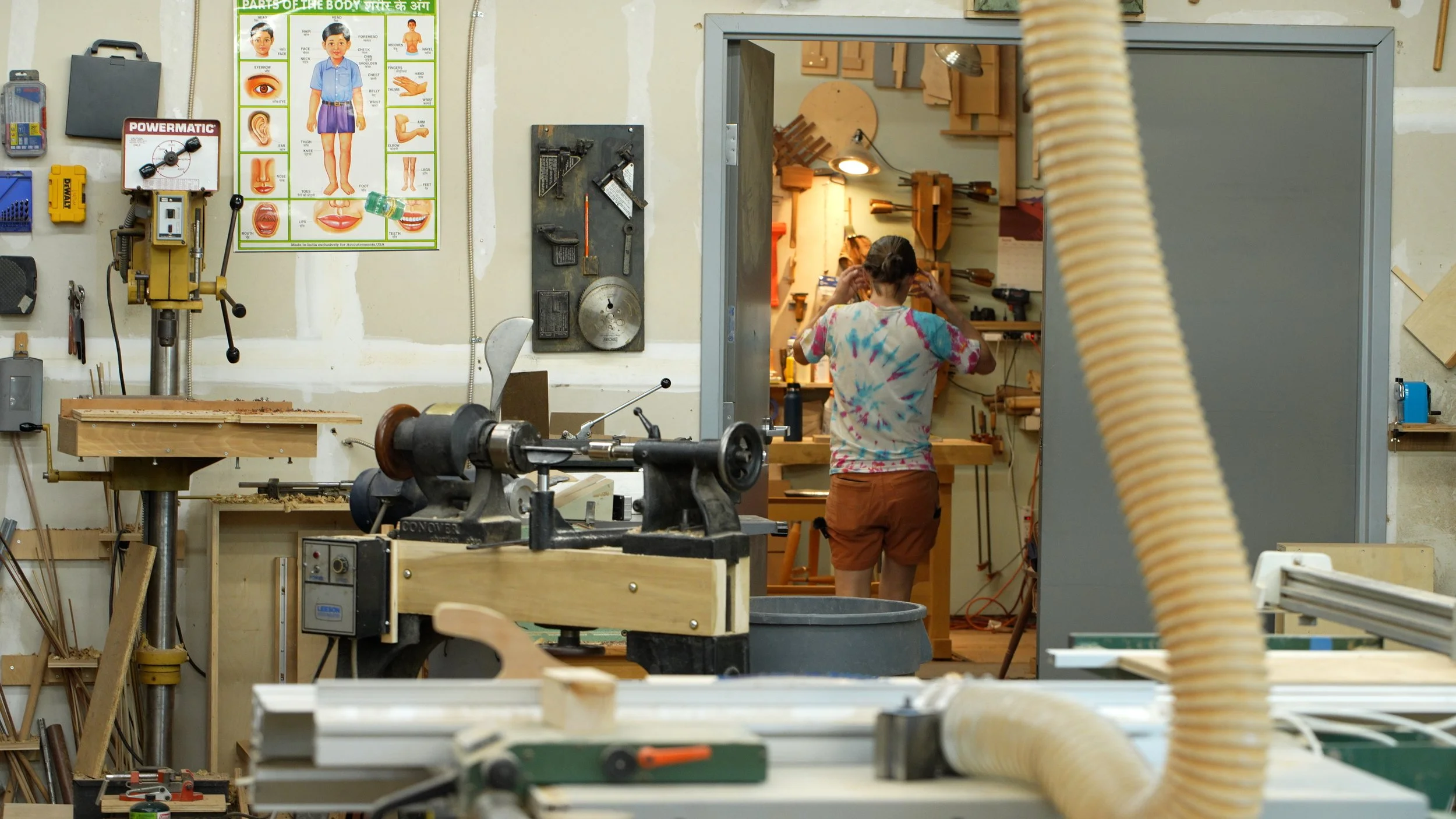
The machine work
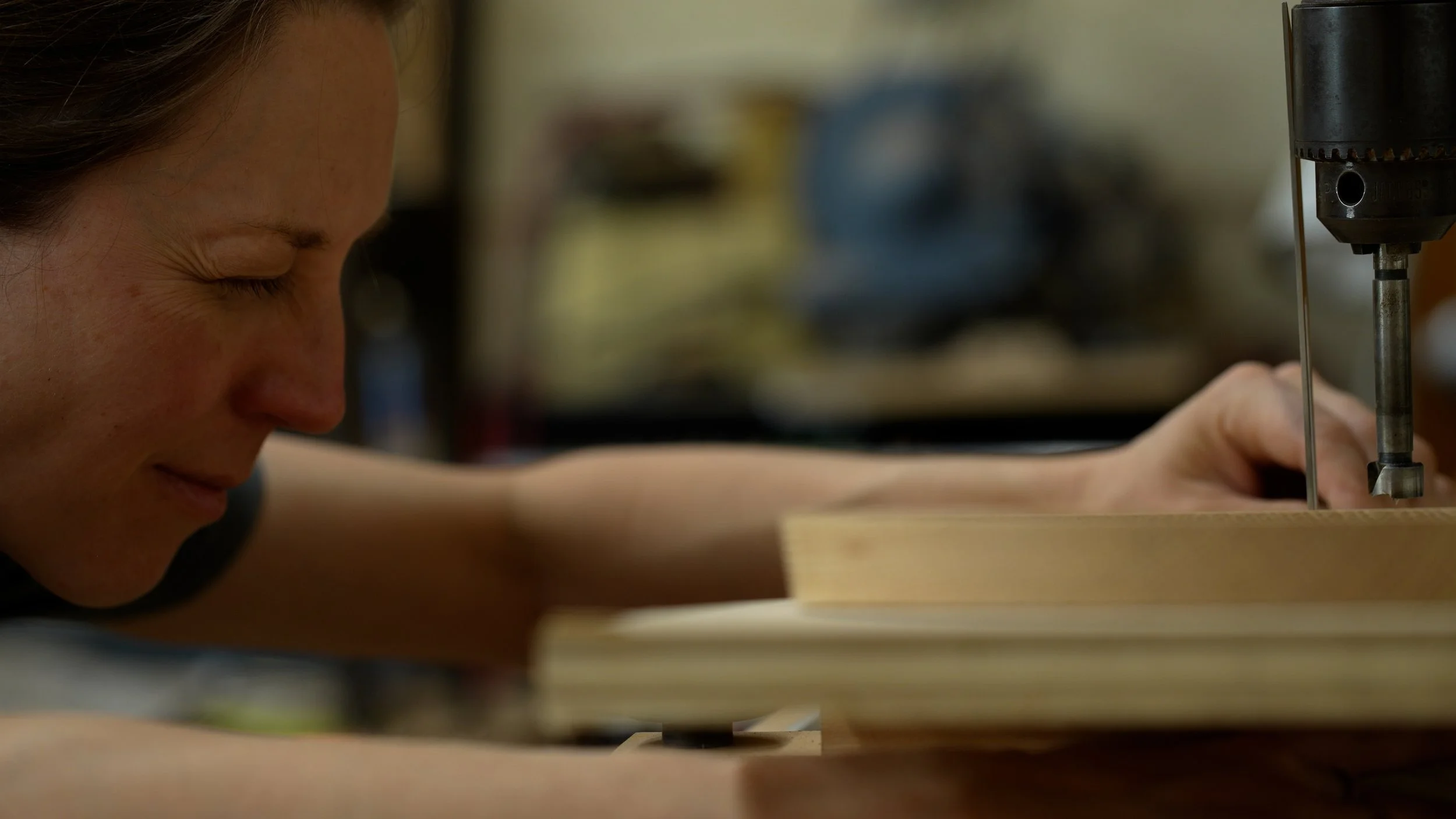
is satisfying because you get a lot done quickly; you're taking out a lot of labor. But you do have to be more careful. You have to learn the quirks of the machine, and it's louder.
I really like when
I can go back into the bench room and focus on hand tool work.
In terms of mindset, it's a different part of the process. In milling, there's a lot of running boards through, getting the grain right, cutting things to size and cutting away defects. Versus when you get into the bench room, it's more like final details, finessing things, making them even more precise.
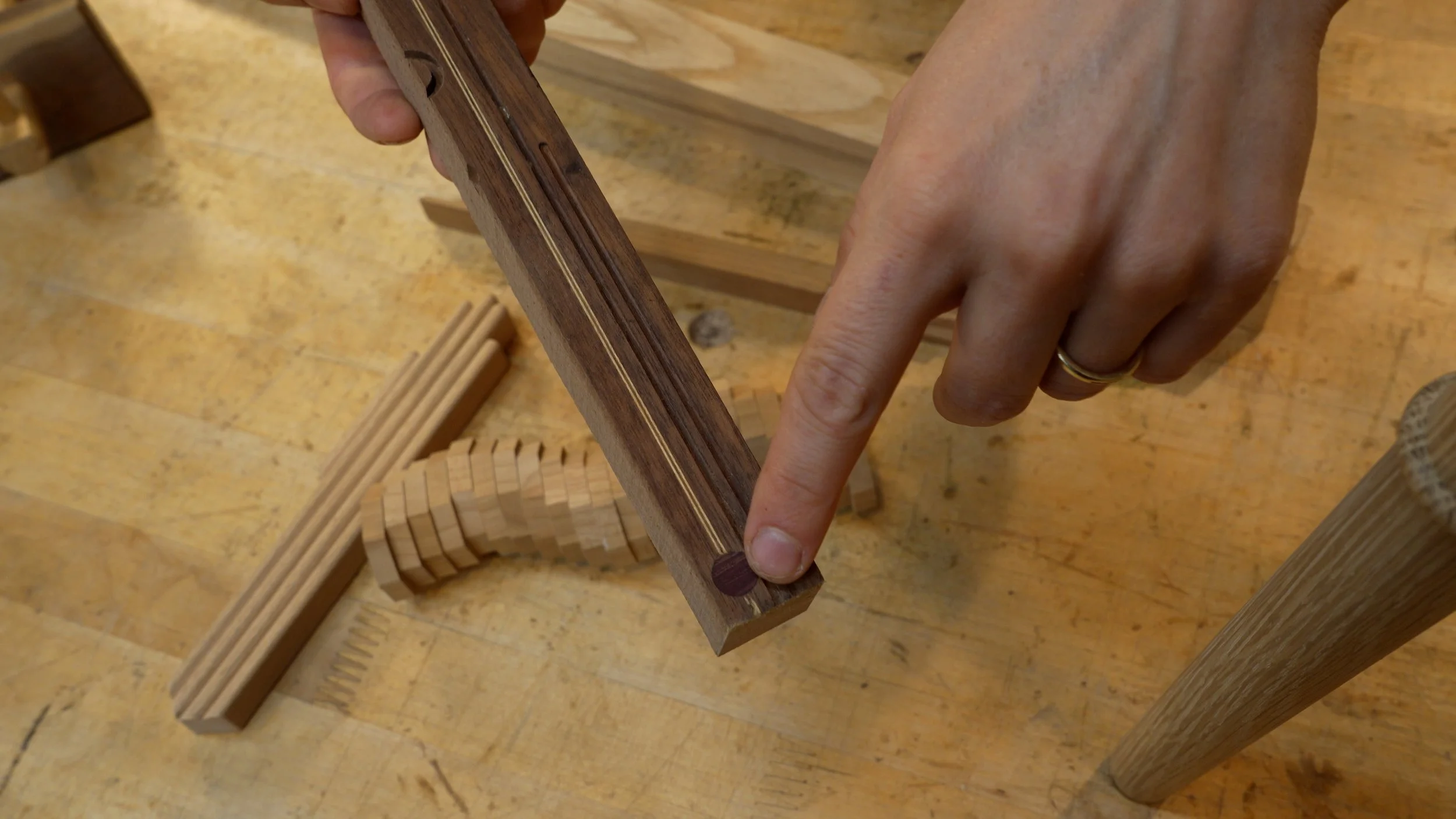
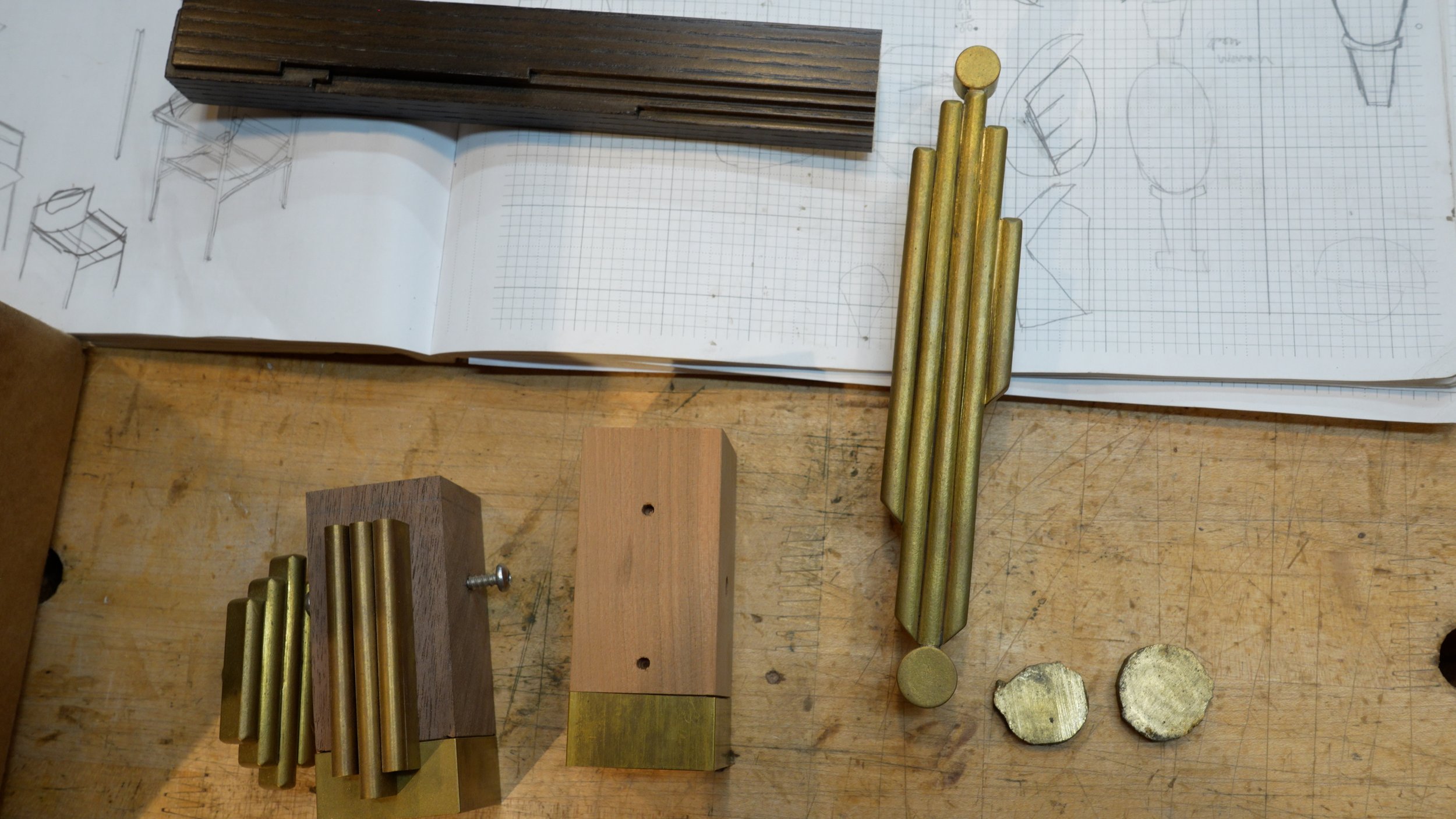
If there is
a little square veneer that I'm going to put in a piece of wood, I can only route with a handheld router so much, and then I have to use a chisel. There's a lot of satisfaction in doing a really good job with that.
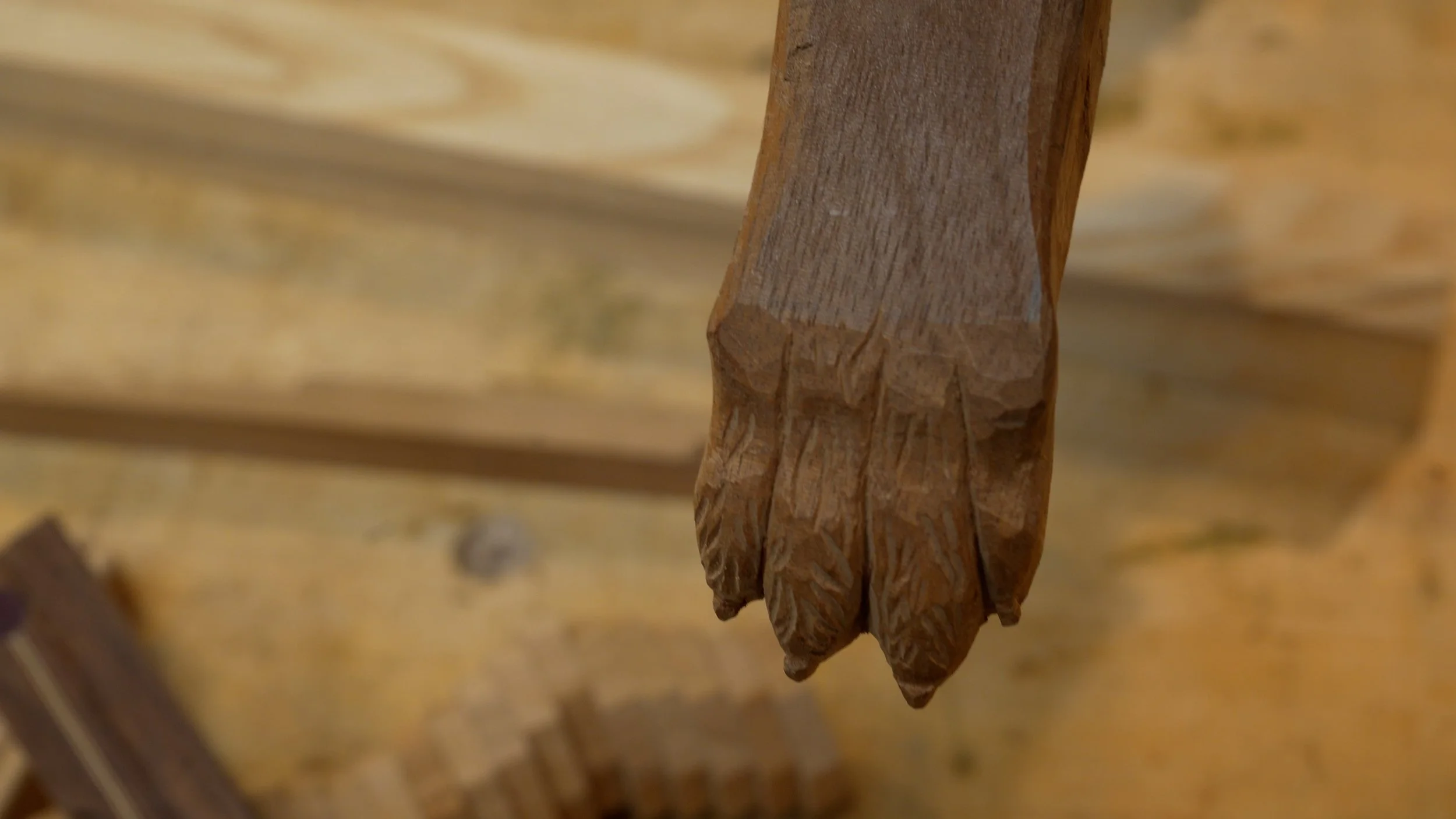
If you’re working on a task for a while
there is sort of a merging. I always think of that with people who are really good at guitar.
I have felt that at different times when I'm really in the groove, doing tedious work.
That's when I really get to that point and I'm like: me and this chisel are doing this right now.
When I’m teaching
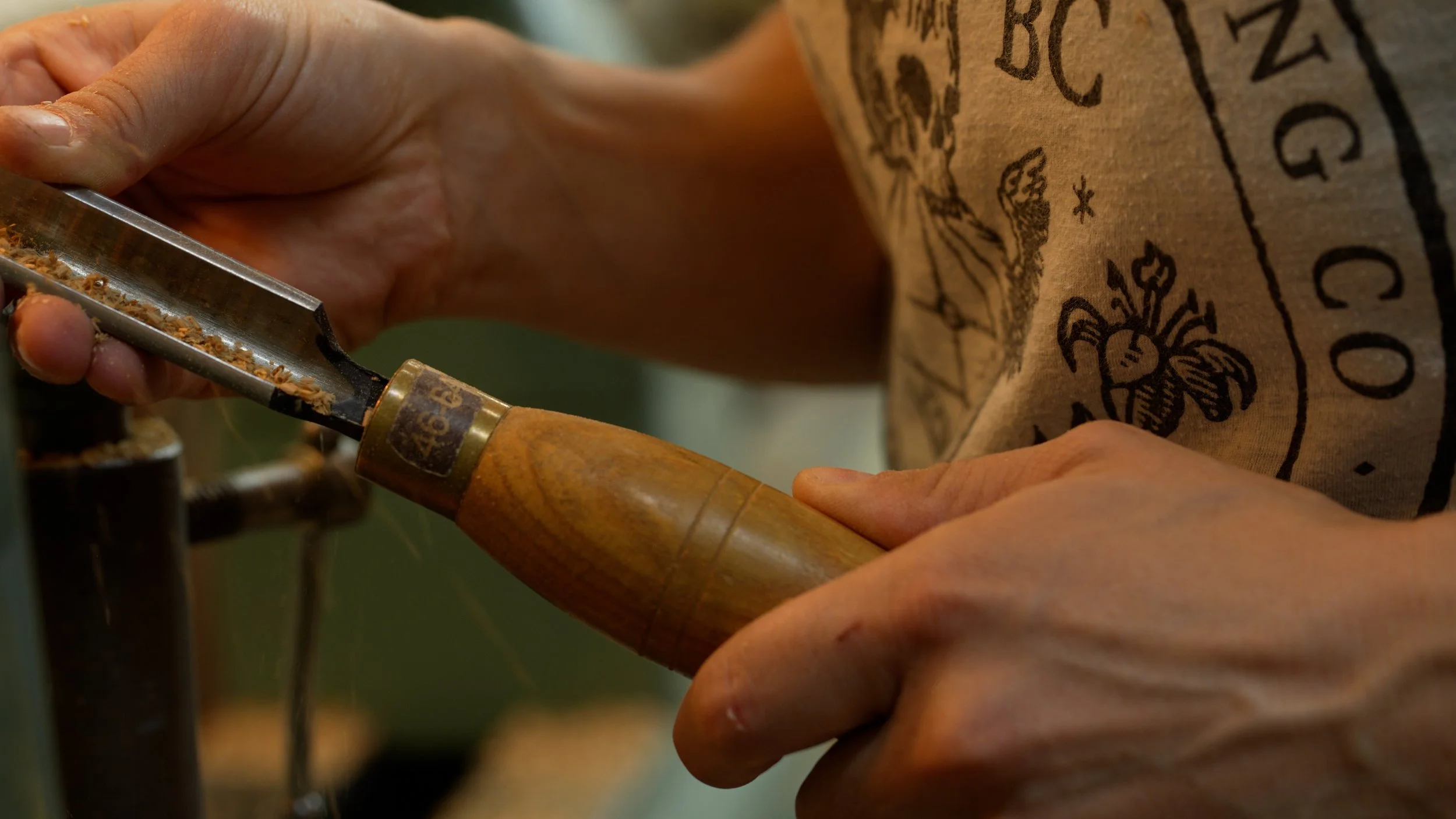
I talk a lot about, if you're using a chisel, how you set your legs, and how you set your shoulders so that you don't you're not four limbs holding a sharp object and tossing it all over the place.
You're a unit that is supported and can only go as far as you need to go. A lot of using tools is body position. Over time you learn body mechanics, care, and not shoving your way through something.
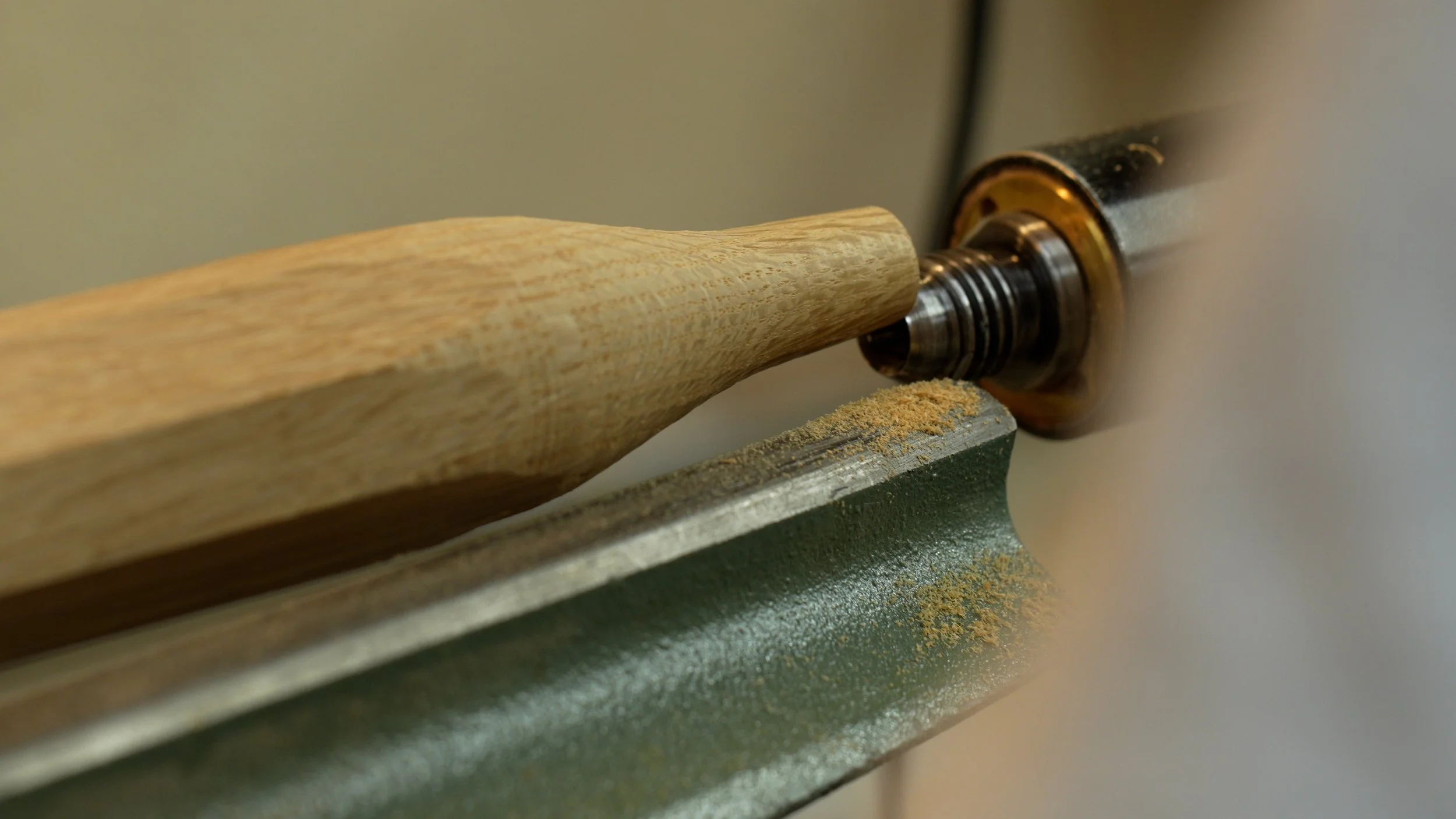
When turning wood
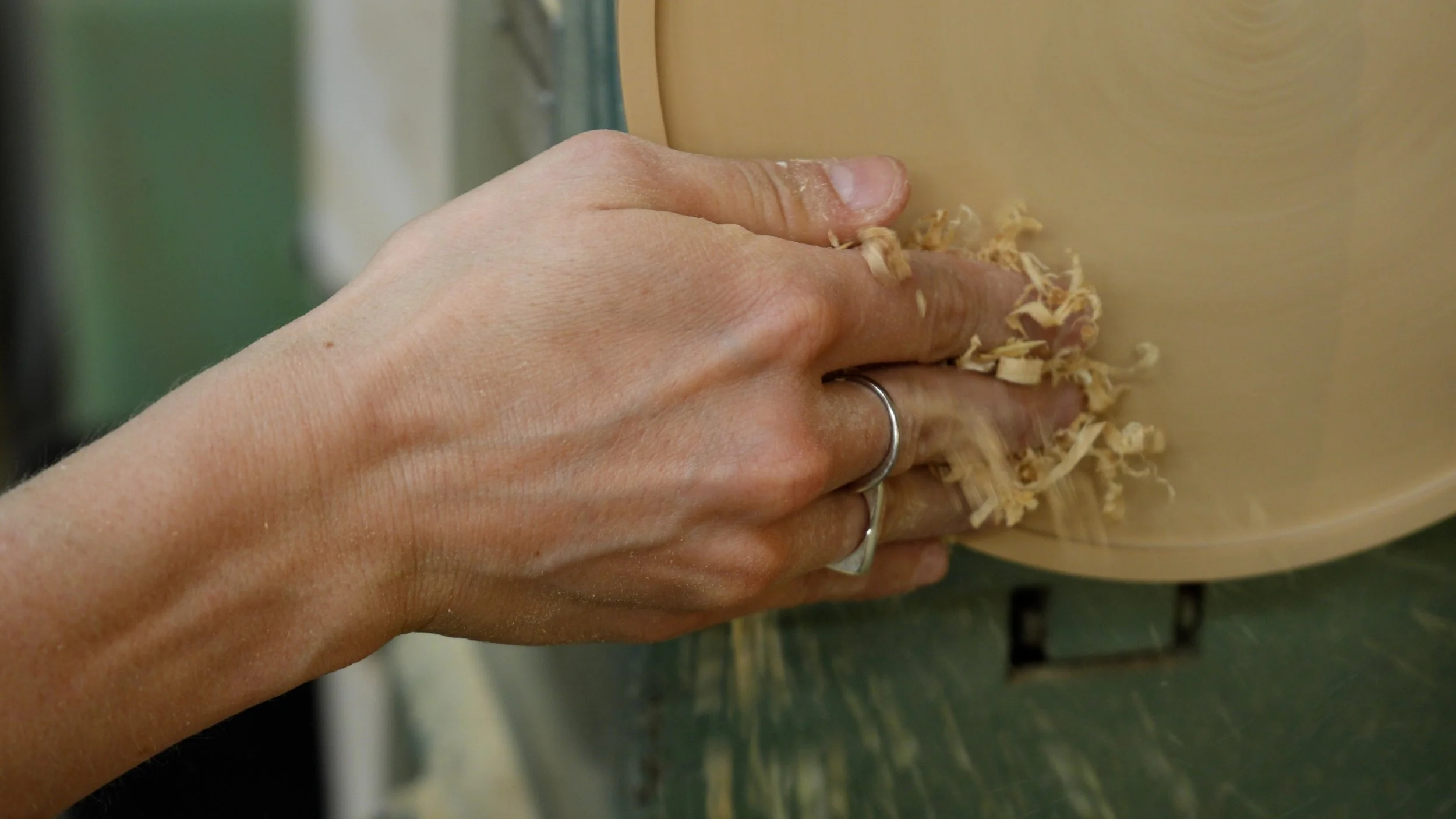
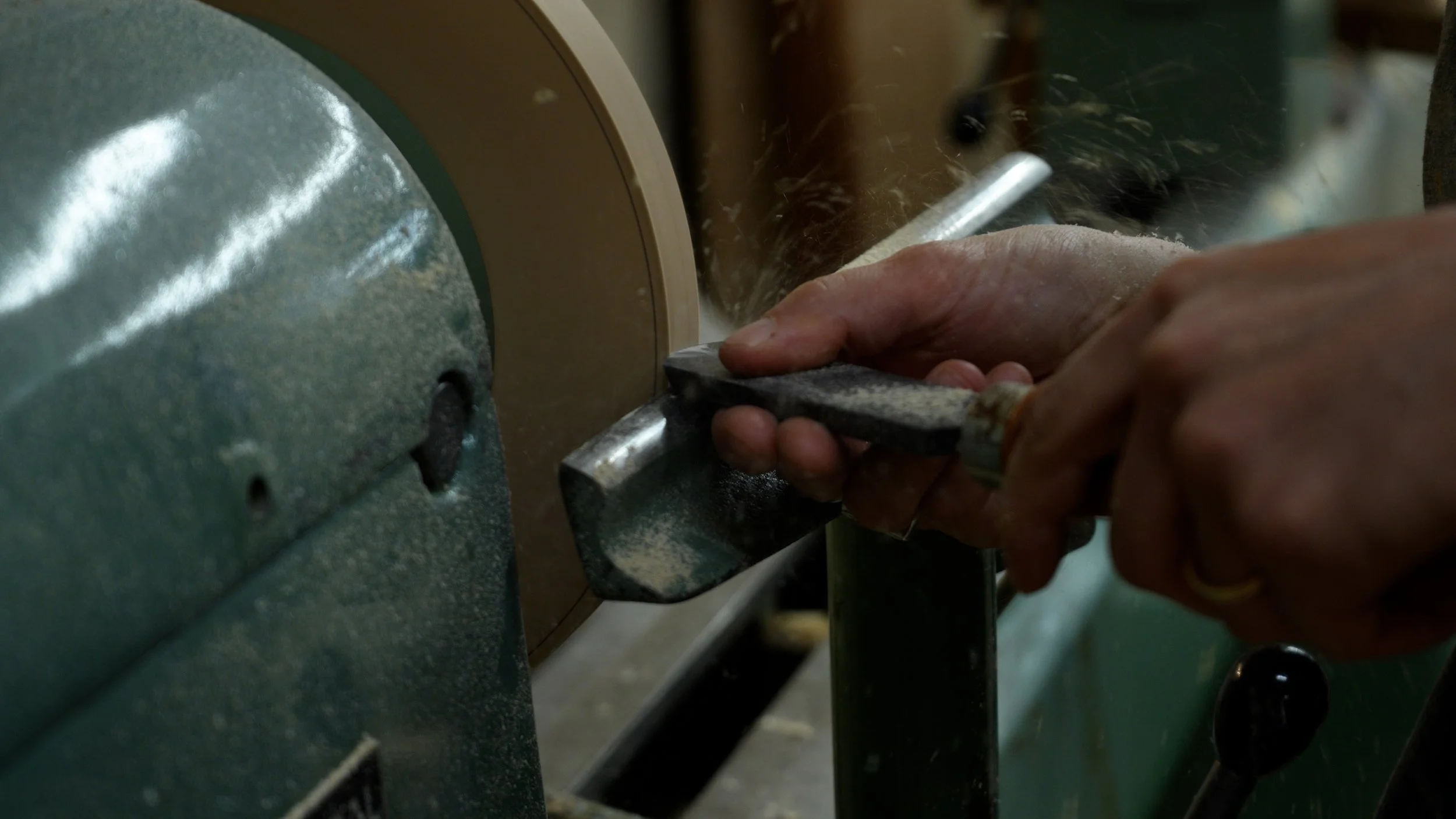
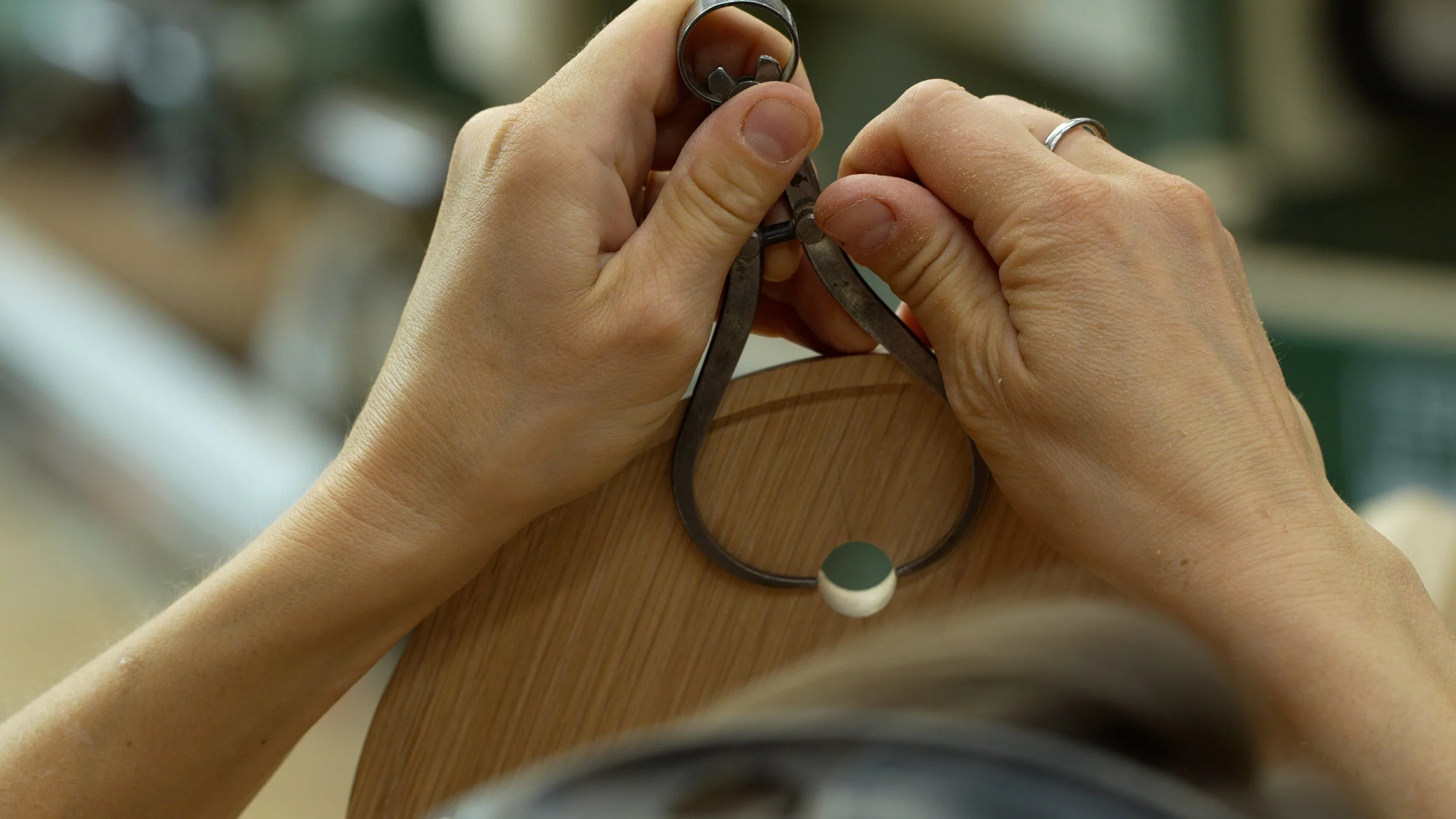
the two hands have to work together really well, because things can go wrong very quickly. It has to do with how the tool is touching the wood—not just the cutting edge but the bevel behind it.
The two hands are like—this one's guiding and this one's doing precise little movements.
It’s a combination of
muscle memory and a very direct line from my brain being like: turn the tool now. Not over intellectualizing it, but also trying to be aware of what the tool is doing.
A lot of it is understanding what a sharp tool is, because I think a lot of people pick up a hand plane that's dull and they're like, this is terrible—this isn't fun at all.
If it's dull, it's going to catch wood, it's going to pull up the fibers, it's going to leave a bad surface. Whereas if it's sharp, it's the most satisfying feeling in the world. There's a lot of understanding when you need to sharpen and what sharp is.
You get to know
different types of wood and how they respond.
You might be able to
get away with a dull tool with one wood and not at all with another. It’s not always straightforward. Pine is so soft—it's not going to go well with a dull tool, whereas you might be able to get away with it with cherry.
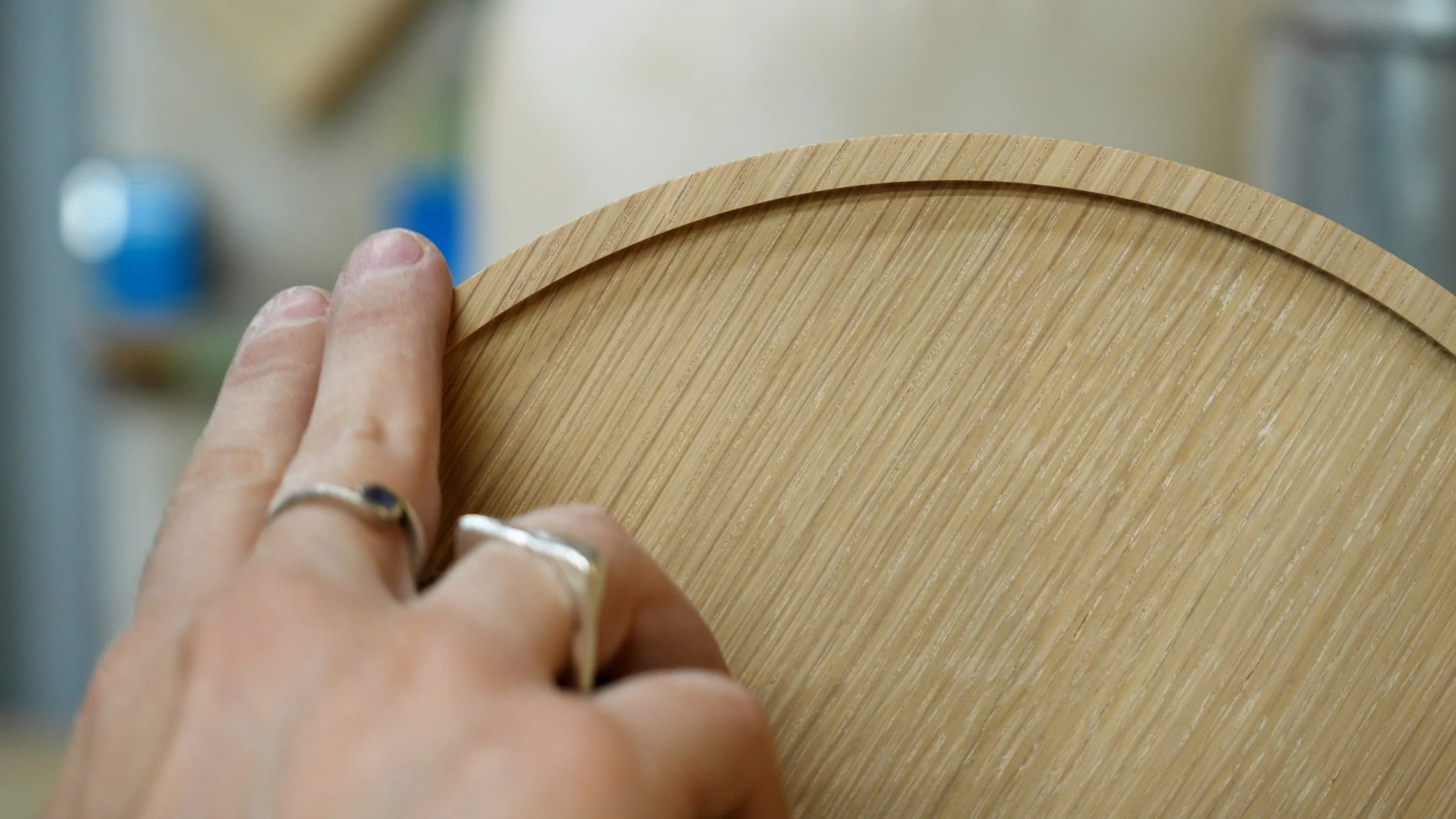
Understanding how wood moves and changes over the seasons and designing for that to make sure you don't have something that cracks over time.
There’s also the
mental component of not getting overly confident. There’s a middle ground between being overly confident and being too timid, where you're questioning every little angle of your hands.
When I’m teaching
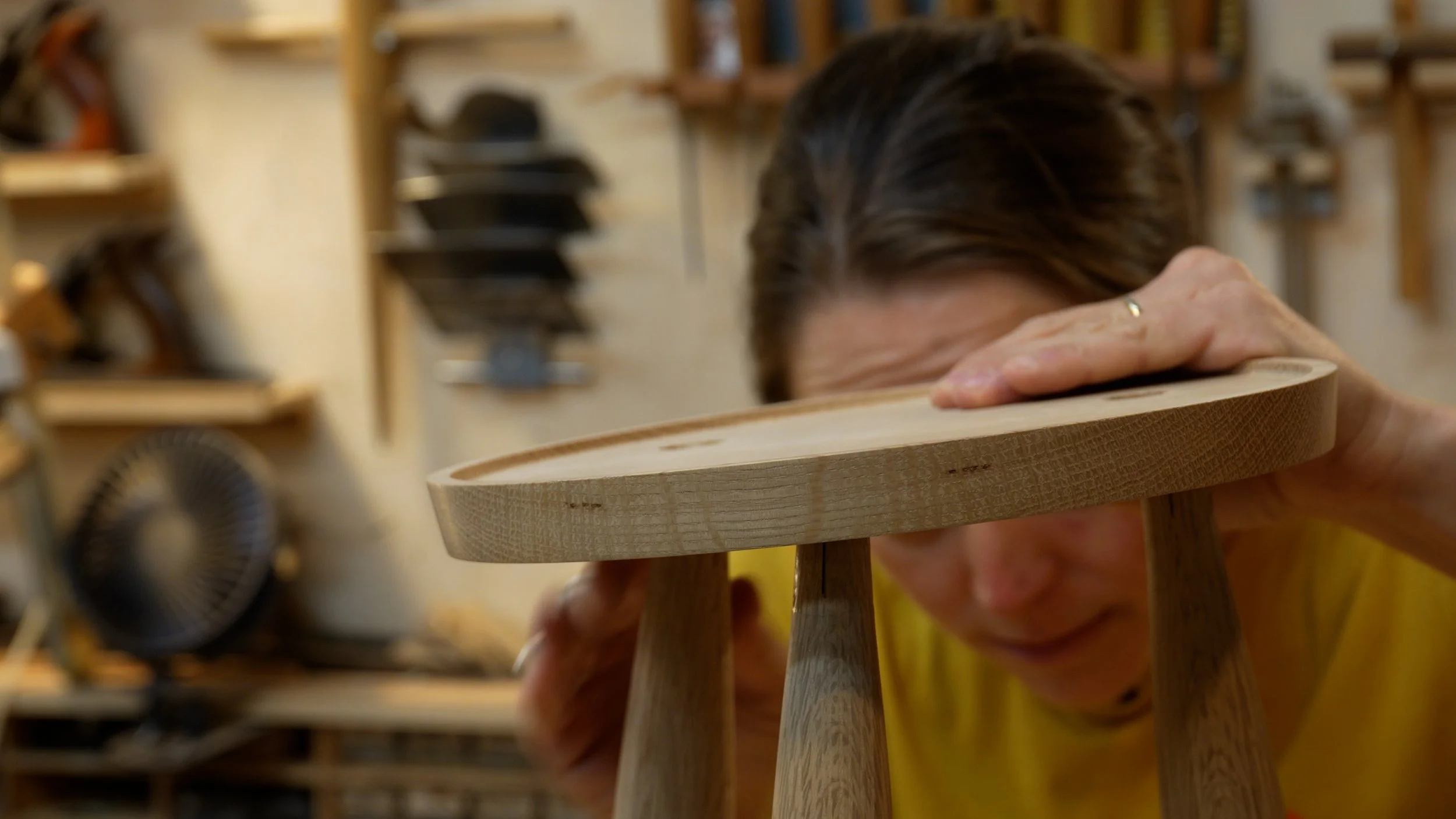
I forget what I can see versus what people who aren't used to these things can see. So I have to be like, “There's a gap there. Do you see that?”
It’s just like languages
where you have to continuously do it, or else you lose it.
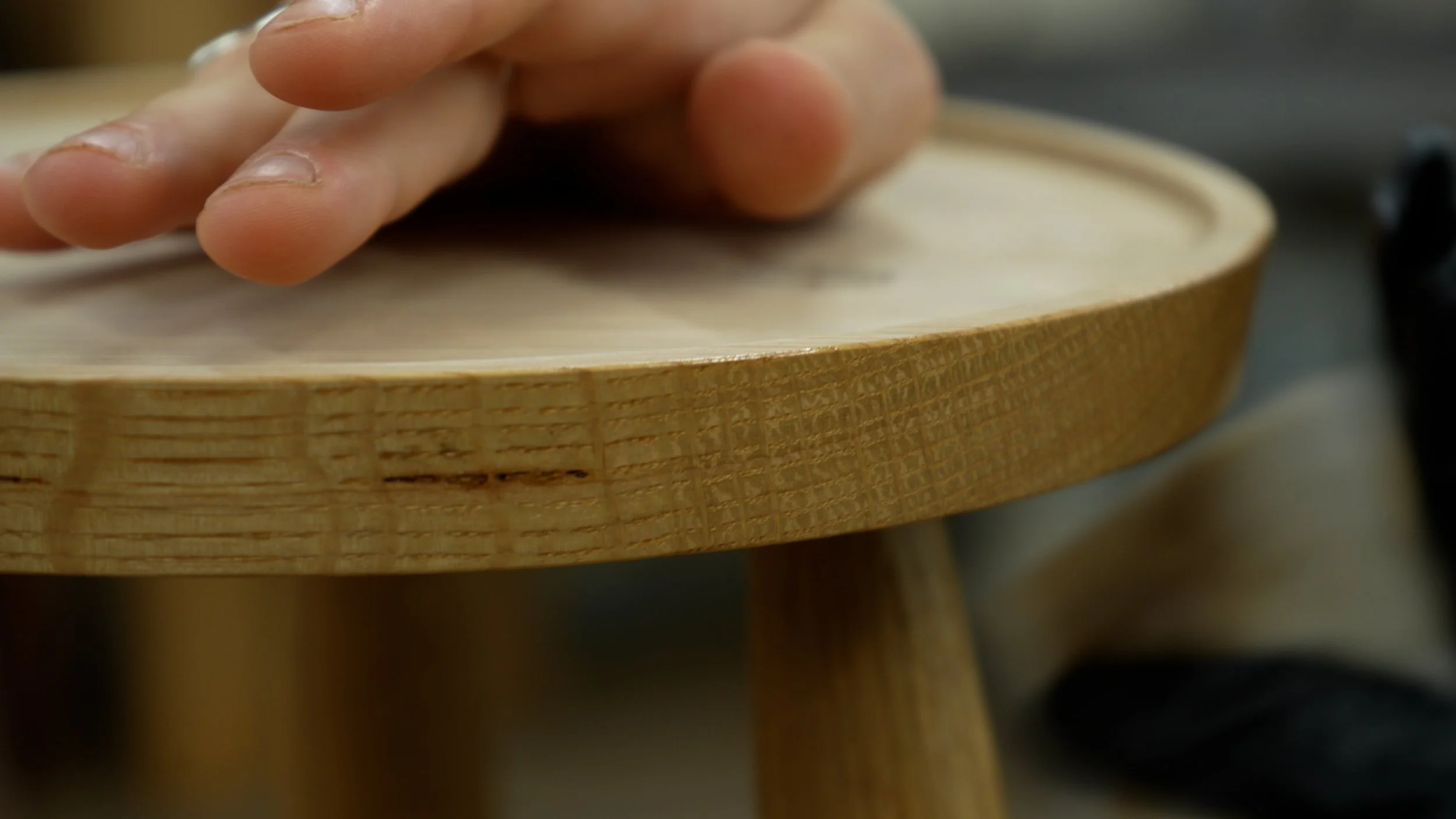
There is a journey of getting better, but there's also an ebb and flow to the skill set and the quality of it. A lot of it is learning how to fix your mistakes. That's the biggest skill—how do you work with the work that you created?
I’m going to be
still going up that slope, maybe forever.
Some days you just want to sit down and do something really well and have it come out the first time.
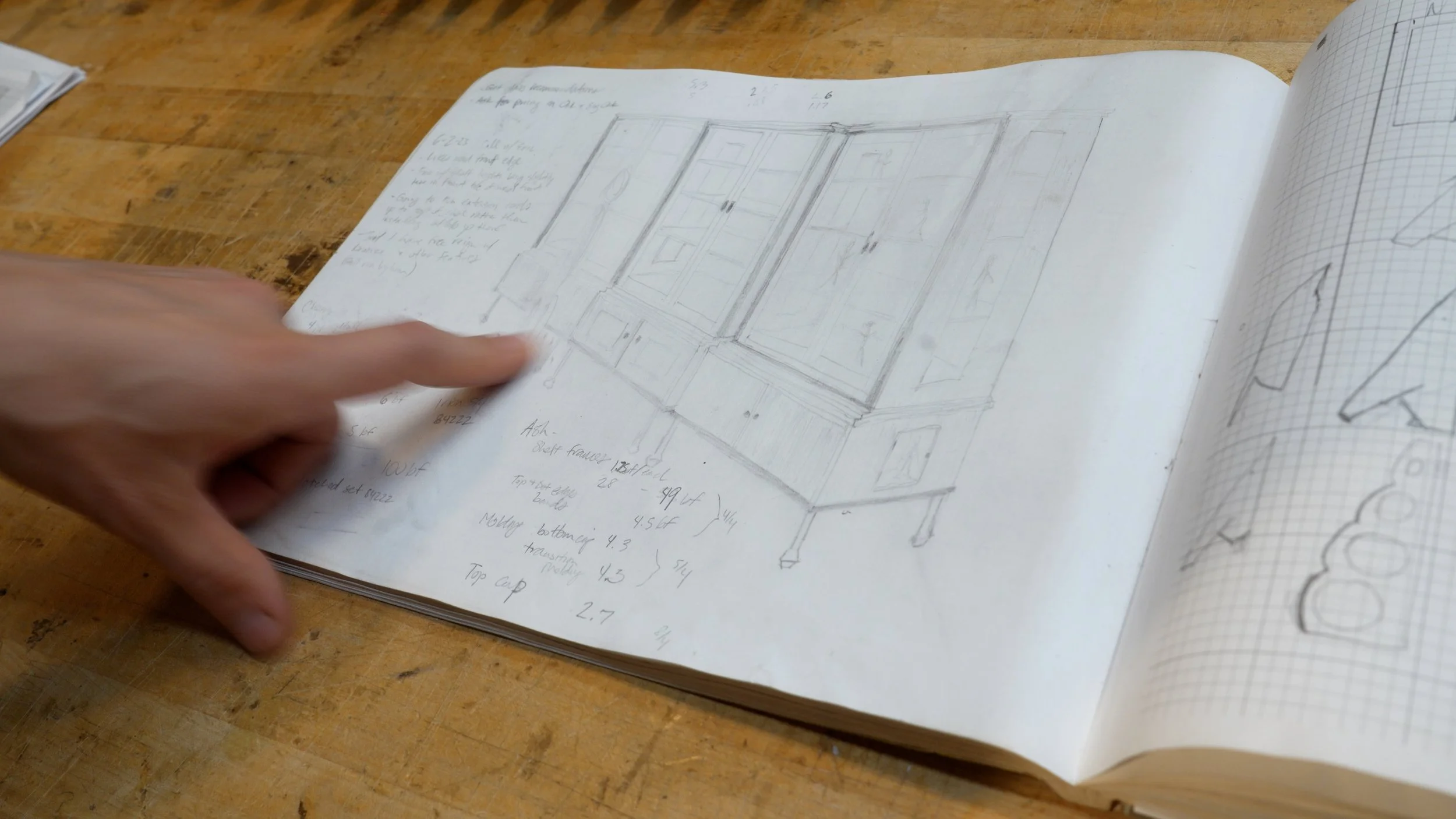
Ultimately I just have to go through that period of being like—this is hard. Why isn’t this easy every time? Every project has some amount of that. A lot of times it's in the design where I'm agonizing over what it is asking for in terms of strength and style and function.
But there’s
a reason I do custom work: because it's a challenge every time. It feels better at the end.
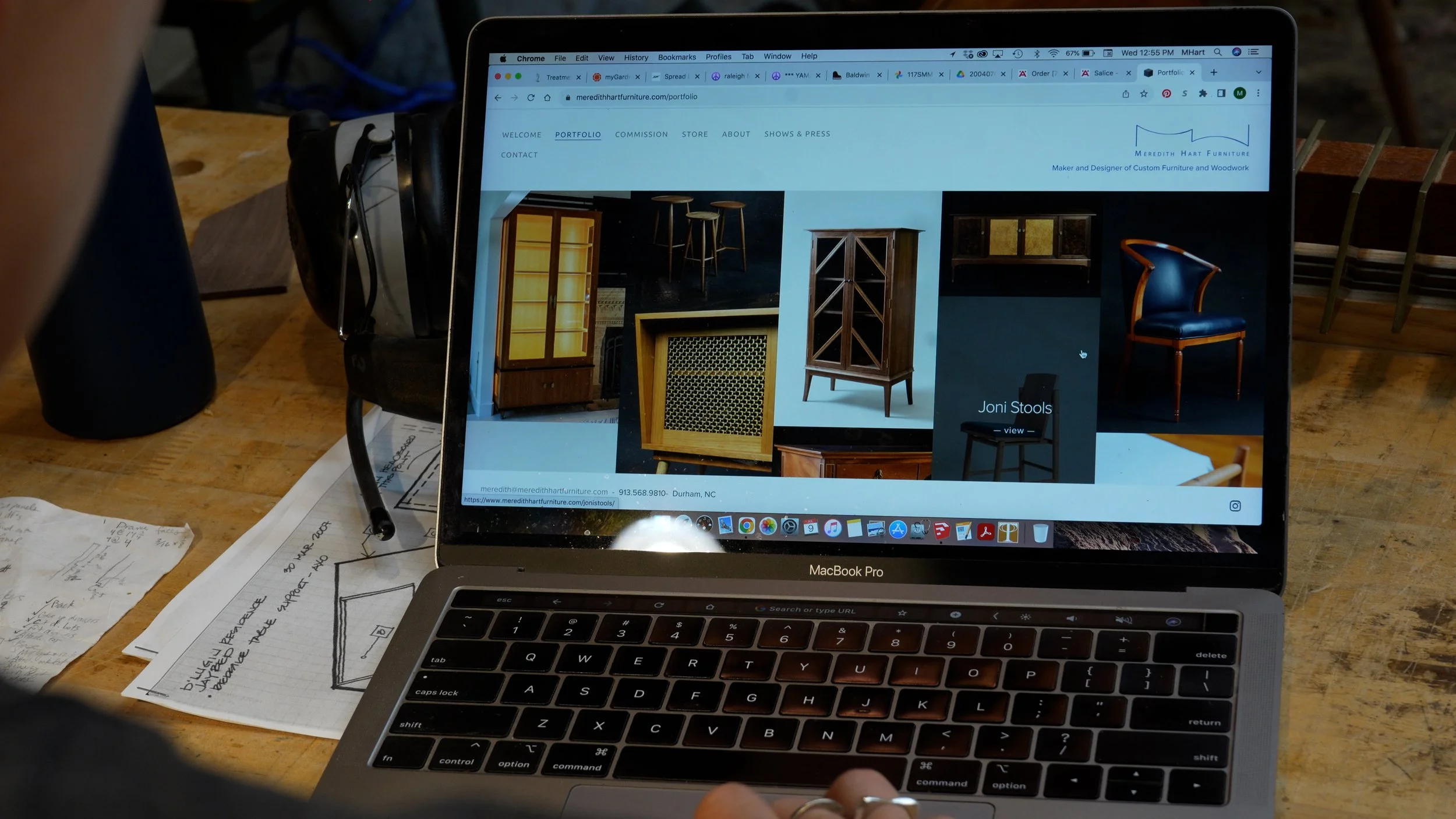
Taking wood from
being raw and creating something that's really nice and well-designed that has some detail work, that's what I like to do. It’s like gardening.